The key facts
- The COP31 draft decision of November 16 proposes tripling adaptation finance for developing countries — to at least $120 billion per year by 2035
- The text calls for an 'immediate transition' away from fossil fuels, phasing out inefficient subsidies, and increasing the share of electricity to 35% by 2035
- The document records 'deep concern' that the 1.5°C goal is now out of reach and proposes a programme on 'overshoot' of temperature
What the draft decision proposes
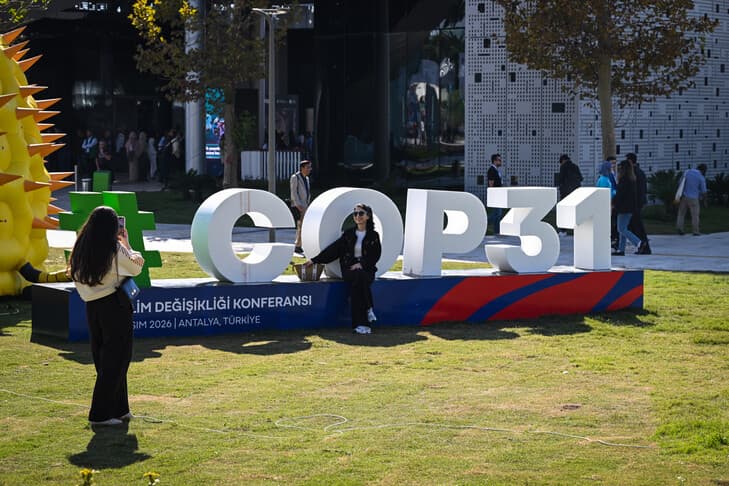
On Monday, November 16, under the COP31 presidency, an 18-page draft final decision of the conference taking place in Antalya was published. The document contains 144 paragraphs and proposes tripling annual adaptation finance for developing countries — to at least $120 billion by 2035 — with a requirement for developed countries to present a roadmap for achieving this goal and a mechanism for monitoring progress. Adaptation measures are proposed to be balanced against the overall target of mobilising at least $300 billion per year by 2035.
Energy: transition away from fossil fuels and electrification
In the energy section, the text calls for accelerating the transition away from fossil fuels in a 'just, orderly and equitable' manner, as well as an immediate transition and the phase-out of inefficient fossil fuel subsidies. The draft proposes raising the share of electricity in final energy consumption to 35% by 2035, tripling global renewable energy capacity, and doubling the annual rate of energy efficiency improvement by 2030. Separately, it addresses reducing methane emissions through monitoring, leak detection, and the elimination of routine gas flaring and venting. Electrification became a contentious point in the negotiations: the draft notes that it 'can deliver benefits regardless of the generation mix,' but many participants insist on a strict linkage of electrification to renewable sources.
The 1.5°C goal and new programmes
The draft expresses 'deep concern' that the 1.5°C warming threshold agreed at the 2015 Paris conference is now out of reach, and stresses the need to minimise the scale and duration of temperature 'overshoot' and to bring warming back below 1.5°C as soon as possible. To this end, a dedicated programme is proposed to study the science of temporarily exceeding the threshold and the subsequent reduction of temperature. The text also includes a programme on mountains and climate change and the 'Antalya-to-Addis Ababa Roadmap on Adaptation and Resilience Finance' initiative, which is to identify predictable and expanded sources of finance for adaptation and climate-related loss and damage; its report is expected to be considered at COP32 in 2027.
What's next: negotiations until Friday
Australia's Minister for Climate Change and Energy Chris Bowen, who is leading the negotiations, acknowledged after the document's publication that some of its provisions will cause disagreement: 'There are elements in this draft that not all parties will agree with.' He stressed that this is an initial draft awaiting further negotiations, and that in the coming days attention will focus on the issues where common ground can be found. Strong language on phasing out oil, coal and gas matters because, as noted during the negotiations, fossil fuel-producing countries have repeatedly resisted ambitious targets in final COP decisions. Greenpeace Germany head Martin Kaiser called the text as containing 'all the necessary building blocks' for a successful outcome, but criticised the absence of binding commitments and urged Europe to work with China and the most vulnerable countries so that oil-producing states do not turn the conference decisions into an 'indulgence for the oil and gas industry.' E3G expert Kaisa Kosonen... Kozima Cassel assessed the 'ambitious language' with caution, noting that the final test is whether the key elements will survive the compromises. Delegates aim to agree on the final text by Friday; the main disagreements over finance concern who bears the costs, in what form — grants or loans — support should be provided, and how to increase finance for developing countries.