The key facts
- Likud and Eisenkot's camp held talks in a 'businesslike atmosphere' and will continue the dialogue
- President Herzog gave Eisenkot the first mandate to form a government
- Arab parties with a record 19 seats could provide a majority, but Lieberman opposes such a deal
Post-election talks with no clear winner
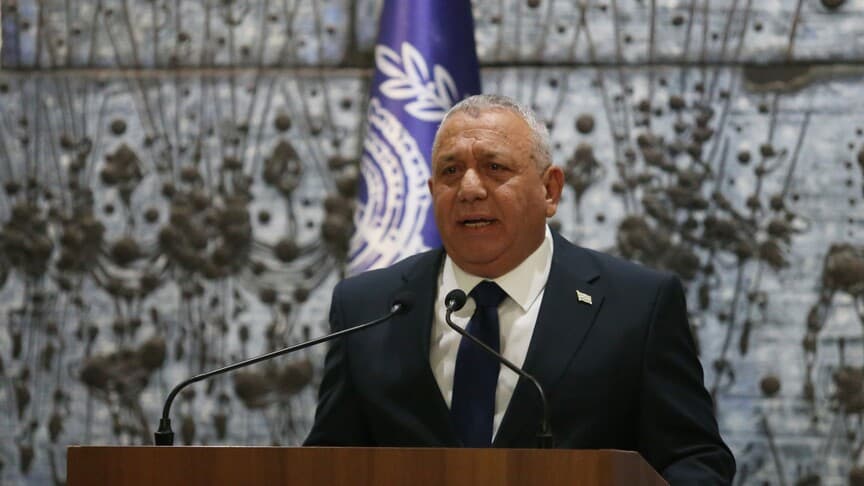
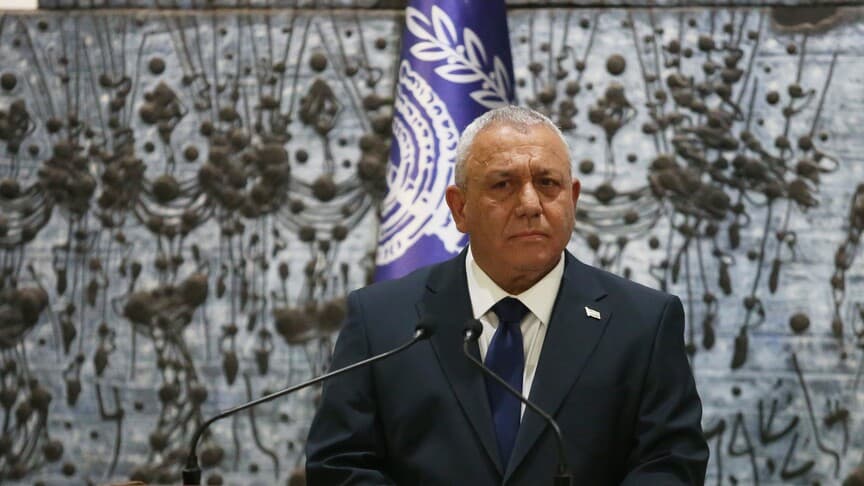
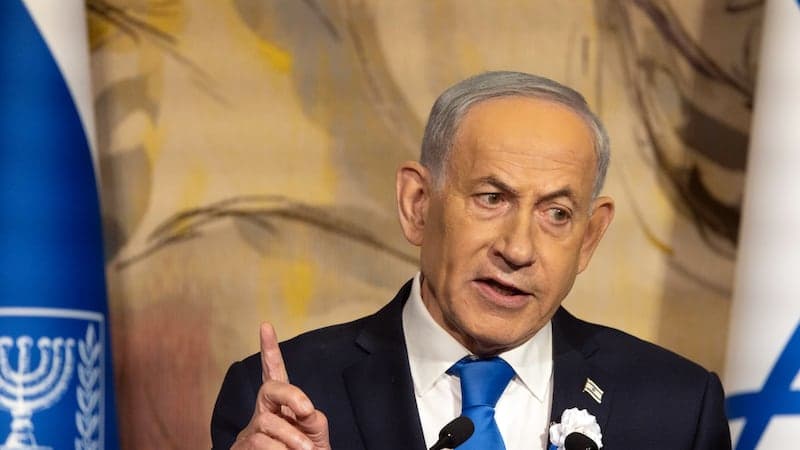
Israeli Prime Minister Benjamin Netanyahu's party opened talks with its main rivals on Sunday, seeking to form a 'unity government' and stay in power after last month's election, The National reports. Likud representatives met with supporters of former military chief of staff Gadi Eisenkot; in a brief joint statement, the sides noted that the talks took place in a 'businesslike atmosphere' and that the dialogue will continue.
Eisenkot's mandate and the majority problem
President Isaac Herzog granted Eisenkot the first opportunity to form a government, since neither his bloc nor Netanyahu's bloc received a clear path to a majority in the 120-seat Knesset. Likud holds more seats than Eisenkot's Yashar party, but Eisenkot's camp is larger when allied parties are counted. Eisenkot's supporters would have a majority if the Arab parties, which won a record 19 seats, agreed to back them. However, such a deal would be highly sensitive inside Israel: one of the key figures in Eisenkot's camp, former defence minister Avigdor Lieberman, said he would not support it.
The parties' positions and the Iran issue
According to The National, Netanyahu saw a chance to extend his tenure by invoking the threat from Iran. On Saturday he addressed Eisenkot: 'Gadi, instead of trying to form a shaky and dangerous government that will not even partially cope with the enormous security challenges before us, let us do what is required,' and proposed sitting down to talks without preconditions for the sake of Israel's security. Eisenkot, for his part, calls Netanyahu a 'lame-duck prime minister,' but allows that Likud could join a government under his leadership.
The military situation and a rotation scenario
Against the backdrop of the unfinished war with Iran, Eisenkot urged Netanyahu not to take military action without an 'immediate threat' to Israel. After Eisenkot complained about being excluded from security briefings, the two politicians met at the end of last week to discuss the military situation. The media have also discussed a rotation scenario under which Netanyahu and Eisenkot would split the four-year term; the precedent is considered to be the 2021 deal between Naftali Bennett and Yair Lapid, whose coalition, however, lasted only 18 months before Netanyahu returned to power.