The key facts
- Eisenkot called Netanyahu's call for talks a 'media show' but confirmed the teams' meeting on Sunday
- Netanyahu demands talks 'without preconditions'; Eisenkot insists on his principles and distancing from extremist forces
- On Tuesday — a vote on the candidacy of Knesset speaker Matan Kahana
Exchange of accusations over government formation
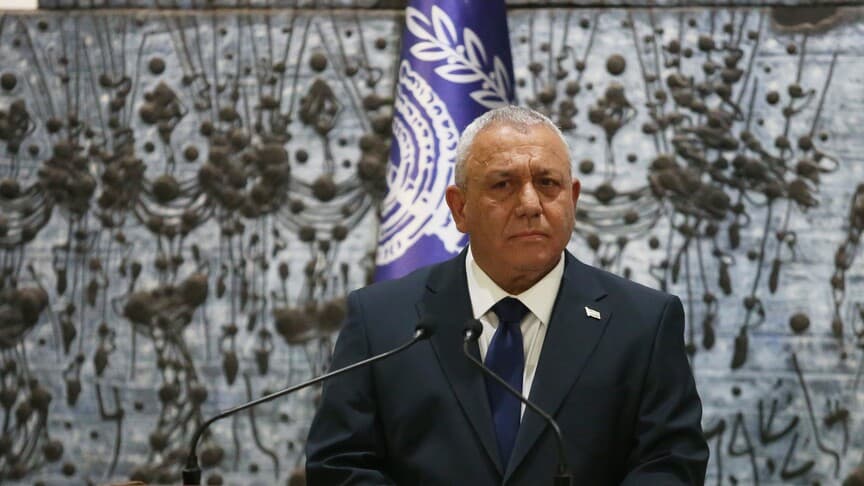
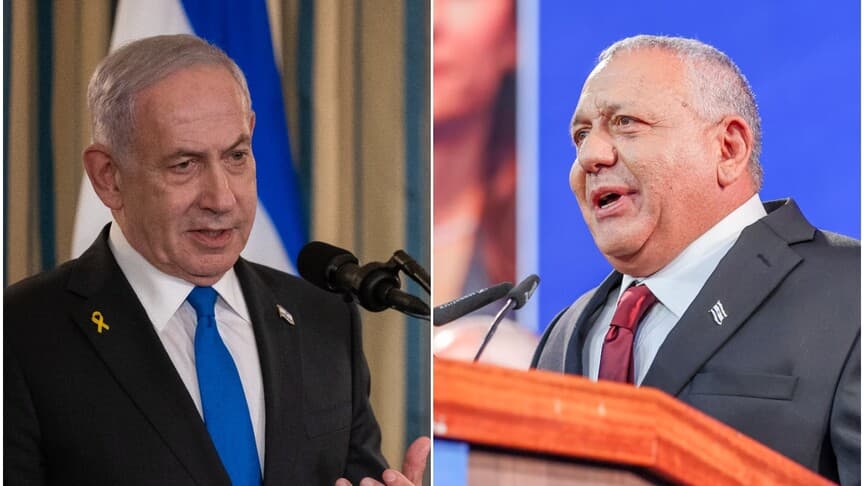
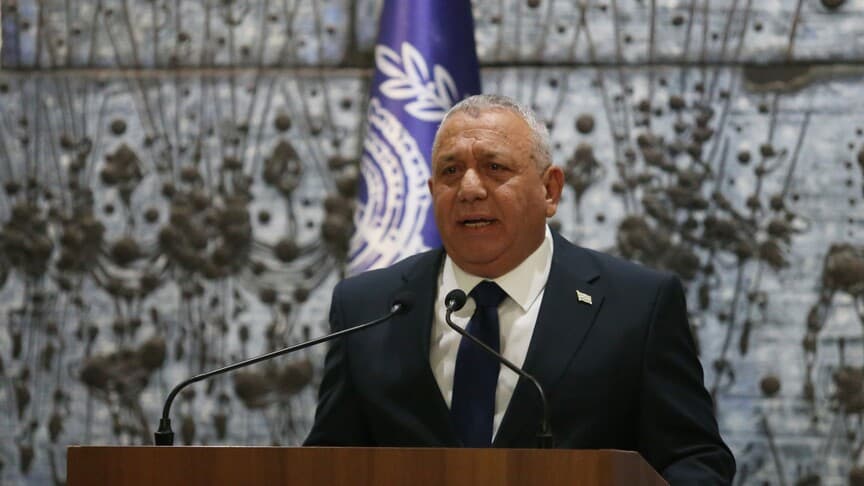
Israeli prime minister-designate Gadi Eisenkot on Saturday rejected the public call by incumbent Prime Minister Benjamin Netanyahu for talks on a national unity government, calling it a 'media show'. In a statement on the social network X, Eisenkot accused Netanyahu of calling for national unity while continuing to sow division and incite hatred against political opponents, and pointed to Netanyahu's speech at the opening of the new Knesset as an example.
Conditions and the teams' meeting
Eisenkot, who heads the Yashar party and received the mandate to form a government, confirmed that the negotiating teams of his party and Likud are to meet on Sunday. According to him, Likud may join a national emergency government under his leadership only if it accepts his stated principles and distances itself from extremist political forces. He also accused Netanyahu of attempting to hinder the formation of the new government and the replacement of Knesset speaker Amir Ohana, who represents Likud.
The speaker vote as a test
On Tuesday, the Knesset is to vote on the candidacy for speaker from Eisenkot's team — Matan Kahana. Eisenkot said this vote would be a test of how seriously Likud and the Religious Zionism party are committed to political partnership, and called on both parties to support Kahana's candidacy.
Netanyahu's position
Netanyahu on Saturday released a video address in which he called on Eisenkot to hold coalition talks 'without preconditions' after, according to him, an important conversation between them on Thursday. He proposed including in the government all parties that recognize the existence of Israel as the state of the Jewish people, and said that only a broad government can stand up to Iran, which, he claimed, seeks to revive its nuclear program. Netanyahu also called on the leaders to set aside disputes and reach agreement on security and military conscription issues.
Context and timelines
Netanyahu's appeal came four days after he attacked Eisenkot's bloc in the Knesset, accusing it of seeking a fragile and dangerous government dependent on Arab parties, which he called 'supporters of terrorism' and 'haters of Israel'. Eisenkot condemned that speech as inciting hatred. President Isaac Herzog officially tasked Eisenkot with forming a government on November 8 after he secured the recommendations of 67 of the 120 Knesset members; Netanyahu received the recommendations of 46 deputies. Eisenkot has an initial 28 days to form a government, with the possibility of a 14-day extension.