The key facts
- The EU is gathering investors for a conference in Jordan: 60–70 or more European companies have expressed interest
- The EU has already allocated €620 million to support Syria in 2026–2027
- The EU Commissioner said the Mediterranean is warming 20% faster than the global average
Investment and Energy: Betting on Jordan
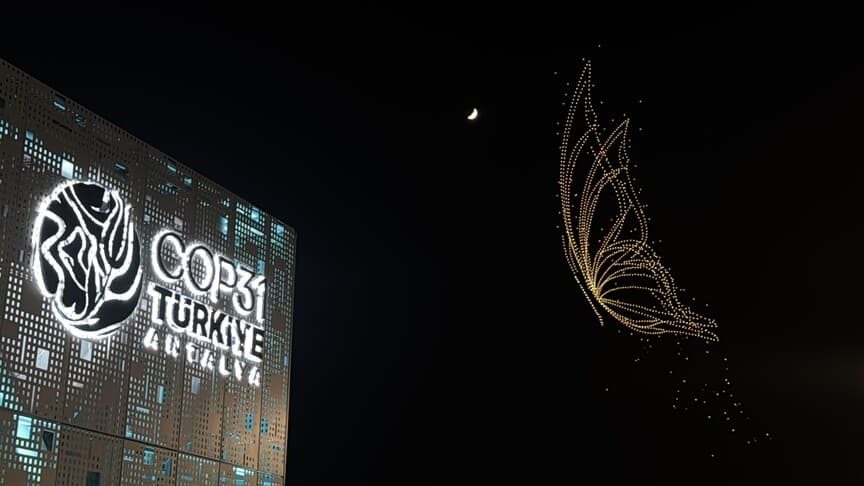
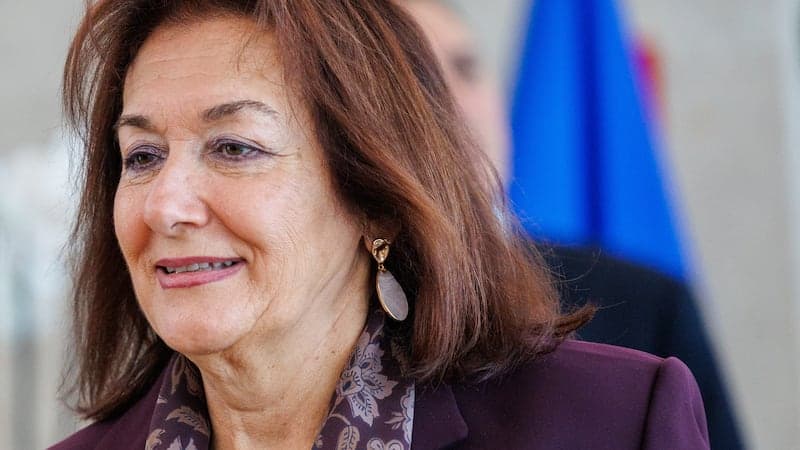
The European Union is preparing an investor conference in Jordan, where, according to EU Commissioner for the Mediterranean Dubravka Šuica, '60, 70 or even more European companies' have already expressed interest in investing. She called Jordan 'the most stable country' in the region and explained the EU's interest with two motives: job creation and access to cheaper renewable energy than in Europe itself. 'We really want to promote Jordan because it is the most stable country,' Šuica said in an interview with The National at the Cop31 climate summit in Antalya, Turkey.
Pact for the Mediterranean and a €4.5 Billion Platform
The Jordanian track is part of a broader EU initiative — the 'Pact for the Mediterranean,' launched a year earlier to deepen ties with southern neighbours. Alongside security, it covers economic integration, employment and investment in clean energy. Last month, the European Commission launched an investment platform backed by €4.5 billion in EU guarantees to mobilise large investments in the region's renewable energy. The platform is part of the T-Med initiative, which is already operating in Egypt and Tunisia — including the 100 MW Sidi Bouzid solar project, which is expected to come online in the second half of 2027. According to Šuica, projects in Egypt are moving faster; she cited the example of a green ammonia plant in Ain Sokhna, the first of its kind in North Africa, exporting its products to the EU market.
Syria: 'A Good Track' and €620 Million
Before travelling to Jordan, Šuica will visit Syria, where on Tuesday she will co-chair, together with Foreign Minister Asaad al-Shaibani, the Partnership Forum with Syria in Damascus. 'We fully trust the Syrian authorities because we believe they are on the right path,' the Commissioner said, while noting that many problems remain and that technical assistance is needed to build institutions — she cited the central bank as an example. The EU has already committed €620 million to support Syria in 2026–2027; attracting investment and the return of Syrians who have gone abroad were named as separate topics of the talks in Damascus. According to Šuica, the EU is not 'pushing,' but rather trying to create conditions under which Syrians in Europe would want to return and rebuild the country.
Security, Human Rights and Climate
The Commissioner condemned the attack on a church in Jordan at the end of last month, which killed nine people, but did not claim that the incident would lead to additional EU funding for counterterrorism, citing the already close security cooperation in place. Touching on mechanisms for monitoring human rights in countries receiving EU funds, she acknowledged that the state of human rights and democracy is becoming a 'precondition' for macro-financial assistance, although human rights organisations have criticised EU cooperation, in particular with Libya, over reports of abuses in migrant detention centres. Šuica also cited data on the climate crisis in the region: the Mediterranean is warming 20% faster than the global average, and 730 tonnes of plastic waste enter the sea every day. Speaking about geopolitics, she stressed that all EU goals in the region depend on a ceasefire: 'we need ceasefires — then peace and prosperity will come.' She reported a conversation with Israeli Foreign Minister Gideon Sa'ar about aid deliveries to Gaza, where humanitarian organisations are recording delays as winter approaches; Israel denies blocking humanitarian aid. The conflict between the US and Iran, she said, remains unresolved, and the EU is 'not the most important partner' on the Iranian issue — the Americans play the key role.