The key facts
- Marija Vučković: disagreements among EU countries are linked to economic, regional and historical circumstances, not to divergent goals
- Croatia supports the EU's ambitious climate goals and the acceleration of implementing the Paris Agreement measures
- Croatia directs ETS revenues to supporting neighbouring countries, including Bosnia and Herzegovina
Common goals amid different circumstances
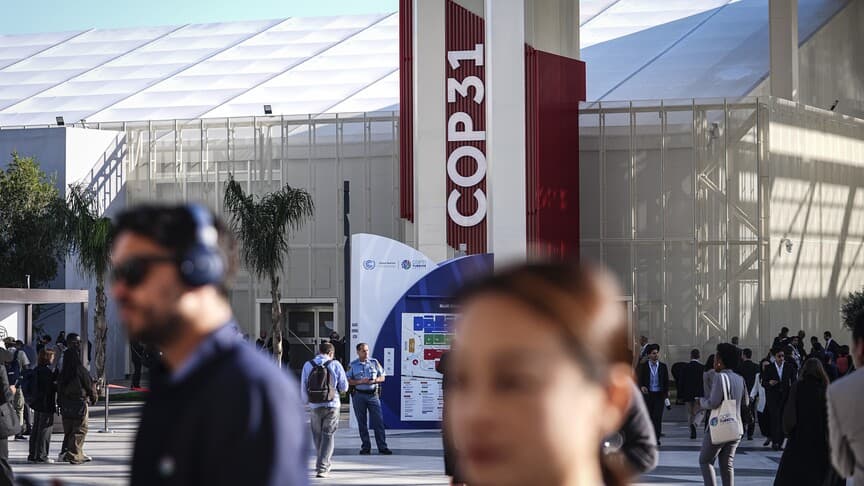
European Union countries generally share the vision of expanding clean energy and investing in the green transition, despite economic, regional and historical differences, said Croatia's Minister of Environmental Protection and Green Transition Marija Vučković in an interview with the Turkish agency Anadolu on the sidelines of the UN climate summit COP31 in Antalya. According to her, the differences between member states stem from different economic, regional, cultural and historical circumstances, not from divergent common goals. “The goals are also European, but there are specific regional and national circumstances,” she noted. “And I think they are taken into account through plans, through regulations, through discussions.”
The Paris Agreement and industrial competitiveness
Answering a question at one of the summit's panels about whether Croatia shares the concerns of a number of EU countries that climate policy could undermine industrial competitiveness and economic growth, Vučković said that green investments would not slow the country's economic growth. She reaffirmed Croatia's support for the EU's ambitious climate goals and efforts to accelerate the implementation of the measures agreed under the Paris Agreement: “Overall, we are all trying to reach a consensus on the faster implementation of the agreed measures. We are committed to the goals of the Paris Agreement.” At the same time, the minister acknowledged that there are gaps in achieving the agreement's goals and stressed the need to look for ways to close them.
Electrification, tourism and aid to neighbours
Commenting on the proposed target of increasing global electrification by 35% by 2035, Vučković noted that technological progress could change the picture, but stressed the importance of maintaining “ambitious goals”: “Significant innovations or new technologies may emerge that will change the situation in the short term. Therefore, we cannot predict.” She attached particular importance to the electrification of transport for Croatia, describing the country as dependent on tourism. The minister also said that Croatia directs part of the revenues from the European emissions trading system (ETS) to supporting neighbouring countries, including Bosnia and Herzegovina. According to her, EU climate policy is aimed at raising the standard of living, especially for people vulnerable to energy and transport poverty. Vučković praised the organization of COP31 and expressed hope that the summit would become a “COP of implementation.”