The key facts
- Jordan will present investors with projects worth $15 billion, including ports, roads, railways and logistics hubs
- This year $5.8 billion has been raised for water desalination and the Aqaba–Amman pipeline; the groundbreaking is scheduled for Wednesday
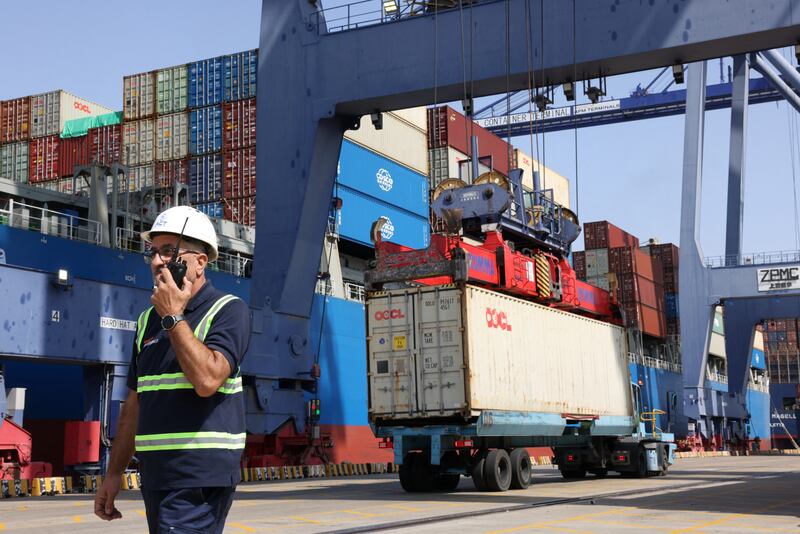
- Transit through Aqaba's container terminal tripled in the first half of the year to 60,178 TEU
From aid to joint projects
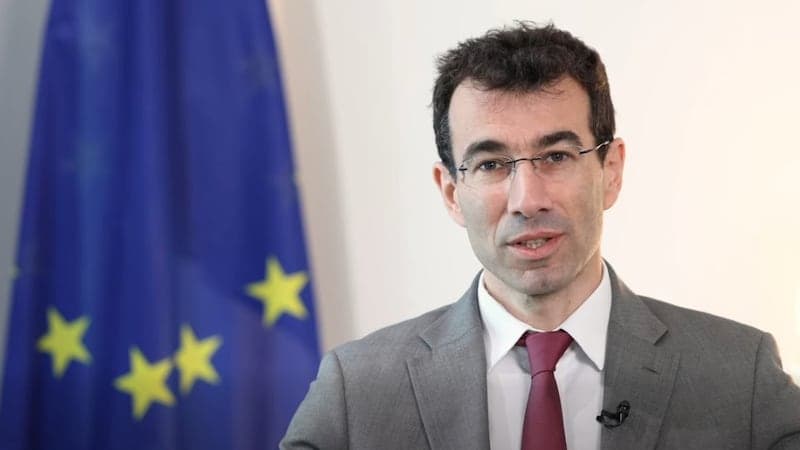
The European Union, which sends Jordan hundreds of millions of euros every year to pay civil servants' salaries and cover fiscal needs, wants to go beyond traditional aid and help the kingdom attract international investment. This was stated by the EU Ambassador to Amman, Pierre-Christophe Chatzisavas, in an interview with The National on the eve of the EU–Jordan investment conference on the shore of the Dead Sea, scheduled for Thursday.
Aqaba's new role
Jordan's geopolitical significance has grown since the country was included in regional plans to find bypass routes to the Strait of Hormuz: goods, primarily oil and gas, are expected to be delivered by land routes through Jordan and Syria. Chatzisavas called the kingdom a port for Iraq and Syria, pointing to the growth of traffic in Aqaba: the container terminal handled 60,178 TEU of transit in the first half of this year — three times more than in the same period last year. At the same time, according to shipping companies, bottlenecks and delays occur at the land crossings with Syria and Iraq.
$15 billion in projects and water for Amman
At the conference, the government will present investors with projects worth $15 billion: in addition to logistics and transport — green energy, water supply and sanitation, healthcare, IT and data centers, tourism and real estate. Some projects are built around long-term contracts with a state counterparty, while others involve privatization and the purchase of stakes in state assets.
The flagship project — the Aqaba–Amman water conveyance
This year, Jordan secured $5.8 billion in funding, predominantly from Western sources, for the water desalination project in Aqaba and the pipeline to Amman; King Abdullah II is expected to lay the first stone on Wednesday. In 2024, the project was transferred to an international consortium controlled by France's Meridiam. The main financiers are the European Investment Bank, the EBRD and the US state corporation DFC; representatives of the two European banks will attend the conference. According to the ambassador's estimate, the project could create up to 8,000 jobs.
Economic context and conditions for investors
The backdrop is difficult: unemployment in 2025 stood at 21% and did not change over the year, gross public debt reached 107% of GDP, and the economy has not grown for 15 years — according to IMF figures cited by the ambassador. Nevertheless, the EU will continue budget support: of the three-year €3 billion package announced last year, about €600 million are grants for the budget and small projects, and another €500 million are loans tied to reforms. Chatzisavas noted an 11% increase in exports of Jordanian potash to Europe and a deal between Arab Potash Company and Belgium's Euroports to store 60,000 tonnes of products in Antwerp. For investors, he stressed, guarantees that 'the rules of the game will be respected' matter: the authorities should avoid suddenly introducing new regulations and taxes.