The key facts
- About 12,000 flights were not operated on Friday: 9,000 commercial and 3,000 general aviation
- On Saturday, 4,000–5,000 of roughly 41,000 flights were expected to be canceled; full schedule recovery by the end of Sunday
- The failure is linked to maintenance by contractor L3Harris; staff error or a faulty router is being examined, a cyberattack is ruled out
What happened and how flights are being restored
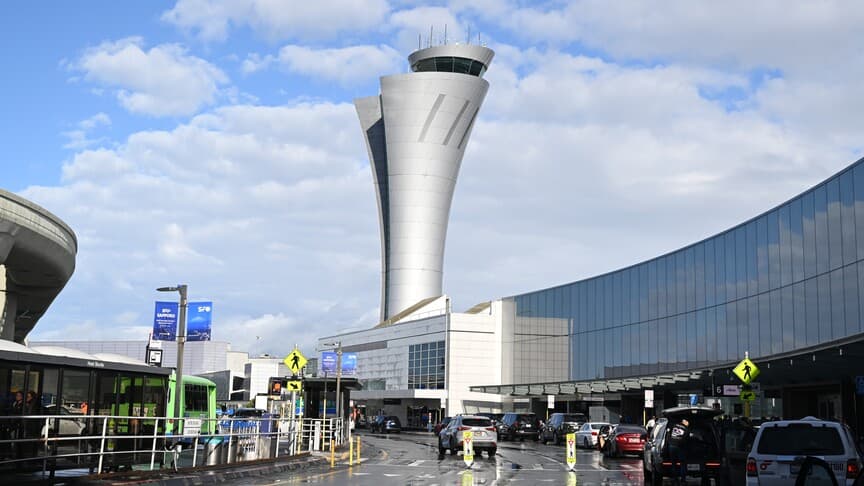
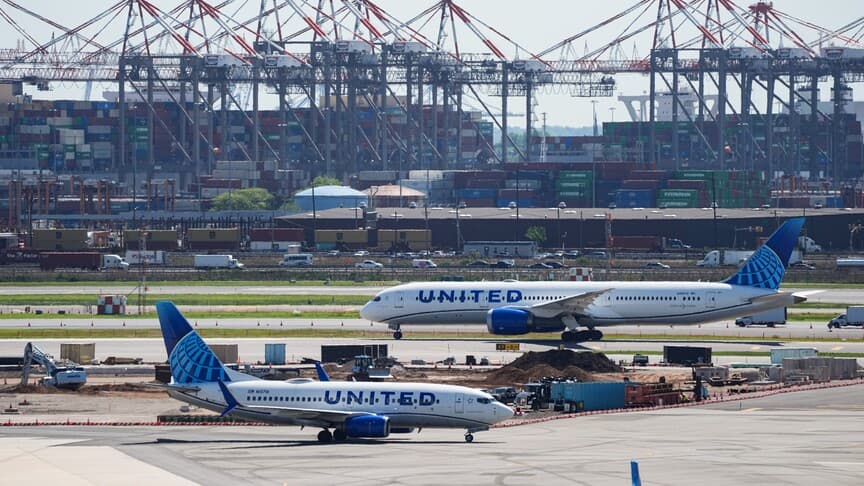
The US air traffic control system remained stable on Saturday after a nationwide failure, but airlines still had to cancel thousands more flights to reposition aircraft and crews affected by Friday's full ground stop. FAA Administrator Bryan Bedford said that on Saturday, out of roughly 41,000 scheduled flights, 4,000–5,000 were expected to be canceled, with a full recovery of the schedule possible by the end of the business day on Sunday. According to him, about 12,000 flights were not operated on Friday — 9,000 commercial and 3,000 general aviation. “I think the worst is behind us, but we still have significant recovery work ahead,” Bedford said.
Cause of the failure: replacing copper lines with fiber optics
Transportation Secretary Sean Duffy linked the failure to scheduled maintenance: FAA's longtime contractor L3Harris was replacing copper telecommunications lines with fiber optics at a remote location, after which a router overloaded a critical communications system, leading to the halt of flights. “We are finding out whether this was incompetence — a user error or an error by an L3Harris installer — or whether they installed a faulty router,” Duffy said. He added that a cyberattack is not being considered as the cause. FAA acting Chief Technology Officer Rebecca Guy said that during network instability, two sources were detected “pinging” the network at a rate of about a thousand connections every four to five seconds; they were disconnected, the network was stabilized, and a root cause analysis is now underway. Bedford emphasized that the agency sees “zero signs of anything malicious and zero signs of any connection to AI.”
Scale of the consequences and questions about the timing of the work
According to aviation analytics company Cirium, more than 8,200 flights were canceled by Friday evening, and at least another 3,000 on Saturday. It was only the third nationwide ground stop of the 21st century. Duffy, at several press conferences, insisted that Congress needs to allocate more funds for modernizing aviation equipment. Asked why the work was carried out at 3:00 p.m. on Friday rather than, for example, at midnight on Saturday, he replied that “switchovers” at major airports are done at night, while at remote locations they are done during the day, and promised: “There will be a review of when we perform such work.” It was also noted separately that the failure occurred a day after the FAA announced an AI-based tool for controllers, whose development did not involve consultation with the controllers' union; Bedford, however, ruled out any connection between the failure and AI.