The key facts
- The IMO recorded 134 confirmed incidents in the Strait of Hormuz area as of 11 November; 25 seafarers were killed
- October was the month with the highest number of attacks on commercial vessels since February
- The UN urged Iran and the US to negotiate 'in good faith'; the GCC demanded that the Security Council take measures against Iranian and Houthi attacks
Rise in attacks on shipping
Khaled Khiari, UN Assistant Secretary-General for the Middle East, Asia and the Pacific, told a Security Council meeting convened at Bahrain's request that tensions and attacks on commercial vessels in the area of the Strait of Hormuz and Bab el-Mandeb threaten international peace, regional stability and the global economy. According to him, maritime incidents continue to rise, and numerous vessels with their crews remain blocked in the Persian Gulf for months. 'Civilian vessels and commercial shipping must not become targets,' he stressed, echoing the warnings of Secretary-General António Guterres.
Incident statistics
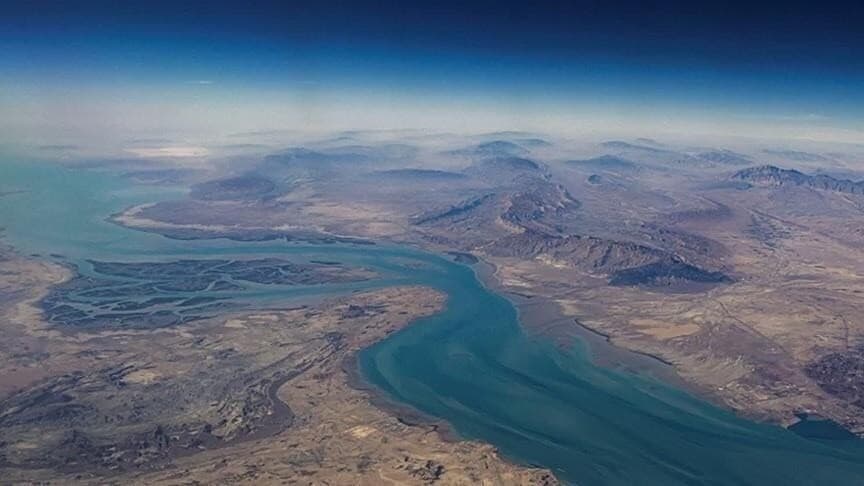
According to the International Maritime Organization, October was the month with the highest number of incidents against commercial shipping since February. As of 11 November, the IMO had recorded 134 confirmed incidents in the Strait of Hormuz and the wider maritime space of the Middle East; 25 seafarers were killed, and many were injured or listed as missing. Khiari noted that although a significant share of the region's energy exports has been restored via alternative routes, maritime transport remains below pre-war levels, and the recovery of exports should not be taken as a return to normal conditions.
Economic consequences
Current maritime patterns in the region, in Khiari's assessment, remain 'costly, unpredictable and unsafe.' Shipping restrictions have raised the cost of energy, transport and insurance, fueled inflation and threaten food security, including due to severely limited fertilizer supplies. 'The longer these restrictions persist, the higher the economic costs and the harder it will be to restore commercial confidence and trade flows,' he said, urging that the situation not be allowed to become a 'new normal' and that safe shipping be fully restored in accordance with international law. Narrow maritime passages, he said, must never be used as an instrument of coercion.
Call for diplomacy and the GCC position
Turning to broader regional tensions, Khiari noted that the UN is encouraged by the absence of major military exchanges between the US and Iran since early September, but is concerned by rhetoric that allows for a new military confrontation. He welcomed the resumption of diplomatic activity in Doha and elsewhere in the region, despite the resumption of hostilities after the signing of a memorandum and the deadlock in negotiations, including on the nuclear issue and sanctions. 'We call on the parties to seize the current opportunities and negotiate in good faith,' he said, adding that a new escalation would have devastating consequences for Iran, the Middle East and the international community.
The GCC position
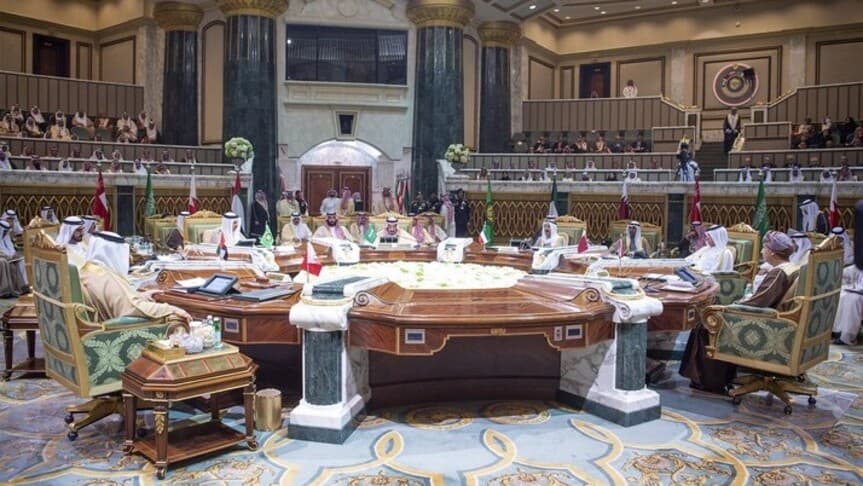
Separately, Secretary-General of the Gulf Cooperation Council Jasem Mohammed Al-Budaiwi said he was speaking before the Security Council 'with one Gulf voice': the GCC states reject any encroachment on their security, sovereignty and territorial integrity. He called the attacks against member states a violation of international law and urged the Council to take measures to stop Iranian attacks against member states and Houthi attacks, as well as to protect vessels, crews and energy facilities. In his words, the GCC countries will remain 'an active and reliable partner' in maintaining regional and international stability.