The key facts
- WSJ describes four Kremlin scenarios; strikes on Ukraine's economy and a bet on weakening European aid are named the most likely
- Talks in Abu Dhabi mediated by the US showed that the Kremlin retains its original goals, WSJ writes
- Observers believe Putin will likely wait until early 2027 before adjusting course
The Kremlin's four scenarios
The Wall Street Journal laid out four paths by which, in the outlet's assessment, the Kremlin expects to achieve victory over Ukraine. Two of them, the authors believe, are the most likely in the coming year: knocking out Ukraine's economy with unrelenting missile and drone strikes, and weakening European aid to Kyiv under pressure from political parties gaining influence that oppose support for Ukraine.
Talks and the 'Trump lever'
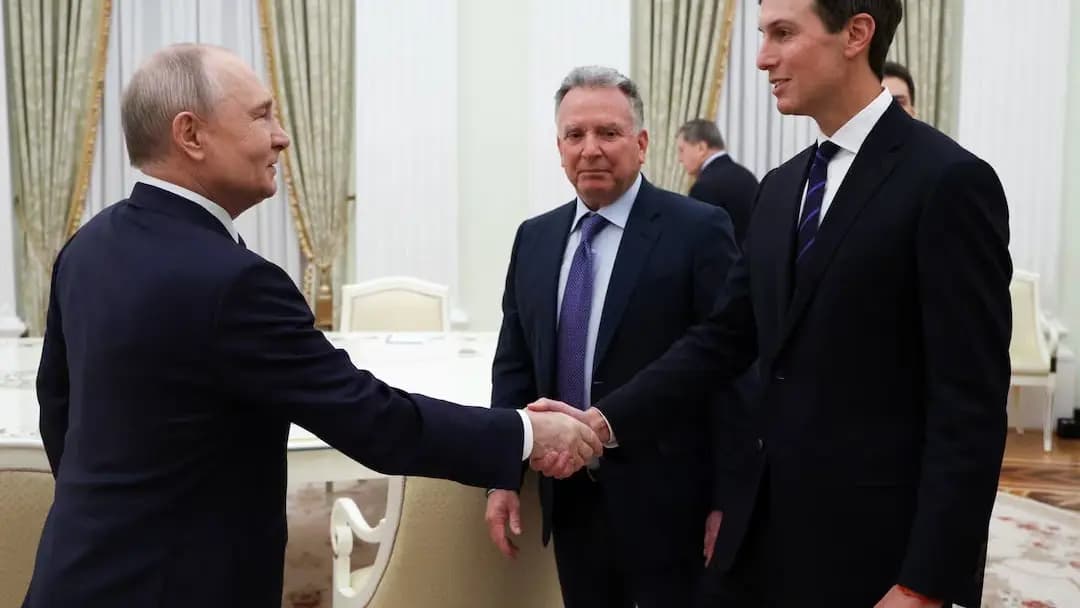
According to WSJ, the talks held this week in Abu Dhabi with US mediation showed that the Kremlin remains committed to its original military goals — the dismemberment and subjugation of Ukraine, as well as redefining the postwar international order in Europe. Most observers agree that Putin will likely wait until early 2027 to see the results of his strategies and only then decide whether to continue the current course or adjust it. 'Spring will be the moment the Russians will be waiting for. They will want to see what effect this missile campaign is having and who wins the upcoming presidential election in France — and only then draw conclusions,' said Hanna Notte, director of the Eurasia program at the James Martin Center for Nonproliferation Studies in Monterey. According to her, Russia will most likely revise its strategy but will not abandon its goals.
Limited US influence
The outlet recalls that after Donald Trump's return to the White House, the Kremlin hoped to force Kyiv into territorial and other concessions; Trump even told Zelensky: 'Right now you don't have any leverage.' However, Kyiv decisively rejected Moscow's demands to hand over territories that Russian troops were not even able to occupy, and Trump's first steps toward an almost complete halt of American military and financial aid only reduced the White House's levers of influence. At the same time, WSJ notes, the US retains the ability to apply pressure: Zelensky recently reported new outages in the Starlink military system of Elon Musk's company, which cooperates with the Pentagon, and Musk himself introduced restrictions for Ukrainian troops as early as October. Moscow, meanwhile, is trying to persuade the White House to lift sanctions even without a ceasefire, promoting business proposals through American investors and Trump's representatives, but so far these initiatives have had no broad effect. After Congress came under Democratic control following the midterm elections, it will become harder for the administration to ease sanctions.
War against cities
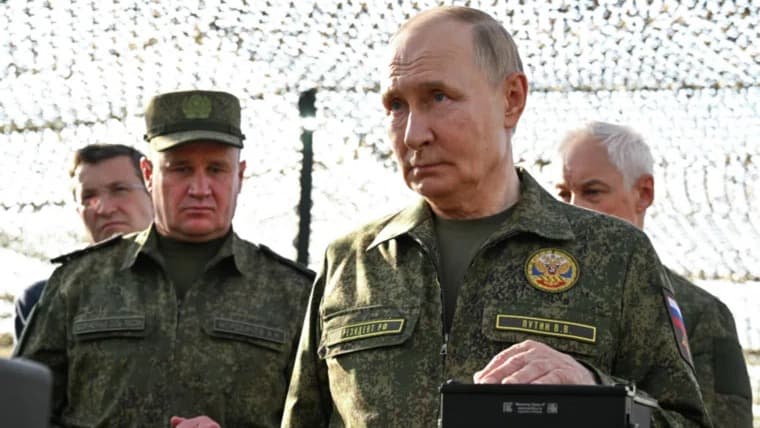
This year Russia has shown its worst battlefield results in eastern Ukraine since 2022: attempts to encircle Ukrainian fortifications in the eastern part of Donetsk region failed, although the Russian army is trying to break through the front before winter. Konrad Muzyka, founder of the Polish analytical company Rochan Consulting, noted that Ukrainian troops use drones so widely that Russian forces advance only in unfavorable weather that limits drone operations. Against the backdrop of an essentially frozen front, Moscow has intensified strikes on cities and infrastructure — from power plants and storage facilities to the Black Sea grain ports and bridges over the Dnipro. The campaign carries the risk of leaving Ukrainian cities without electricity, heat and water; if continuous strikes lead to a humanitarian crisis and an economic shutdown, the country may become even more dependent on financial aid from Europe.
The European factor and the limits of Russian resources
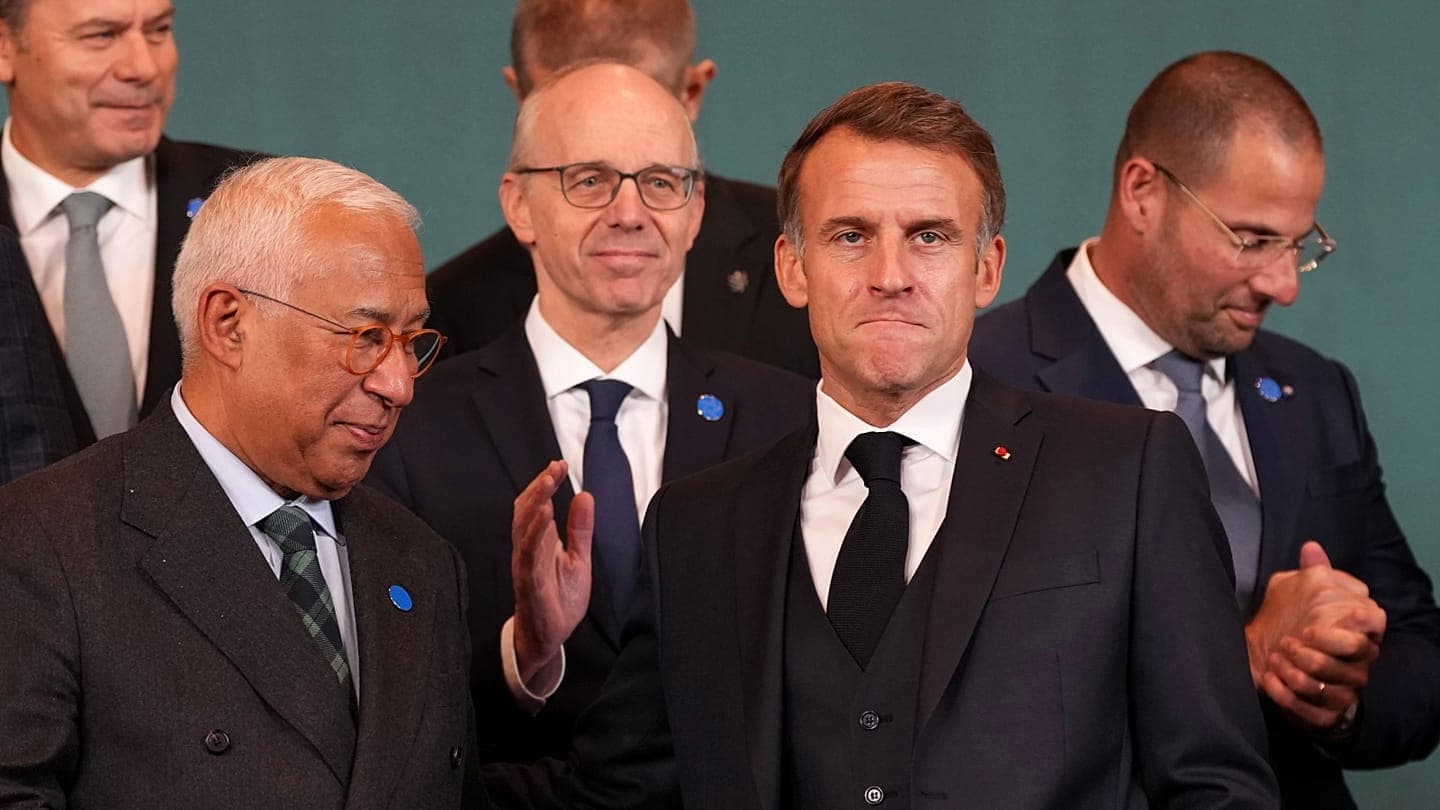
According to WSJ, Putin's hopes for victory are largely based on the assumption that Europe's political unity will fracture before the military burden becomes unbearable for his regime. Low economic growth rates, the burden of social programs and expensive energy are undermining the ratings of incumbent governments that support Ukraine, while the influence of pro-Russian left-wing and right-wing populists is growing: Marine Le Pen in France promises to cut financial aid to Kyiv, the far-right Alternative for Germany advocates a return to purchases of Russian gas, and in Italy both members of the ruling coalition and the center-left opposition speak out against aid to Ukraine. So far, European governments are withstanding this pressure, despite the worsening energy shortage caused by the US war with Iran. Putin has said he wants to cooperate with Europe in future peace talks, but only if the continent speaks from a unified position; in the journalists' view, such a demand will most likely only deepen disagreements over who should speak on behalf of Europe. At the same time, Russia's reserves are not unlimited either: military spending exceeds a third of the state budget, and regional authorities facing money shortages are cutting payments to the families of fallen soldiers. 'We are dealing with an extremely unstable system,' noted Alexandra Prokopenko, a senior fellow at the Carnegie Center for Analysis of Russia and Eurasia in Berlin.