The key facts
- On November 12, Putin agreed to allow Europeans into the next round of talks, but urged the US to 'work with' its allies
- Witkoff and Kushner met with Zelensky in Ireland after the Kremlin meeting
- On November 10–11, the first direct Russia–Ukraine talks in nine months, mediated by the US, took place in Abu Dhabi
Agreement with Caveats
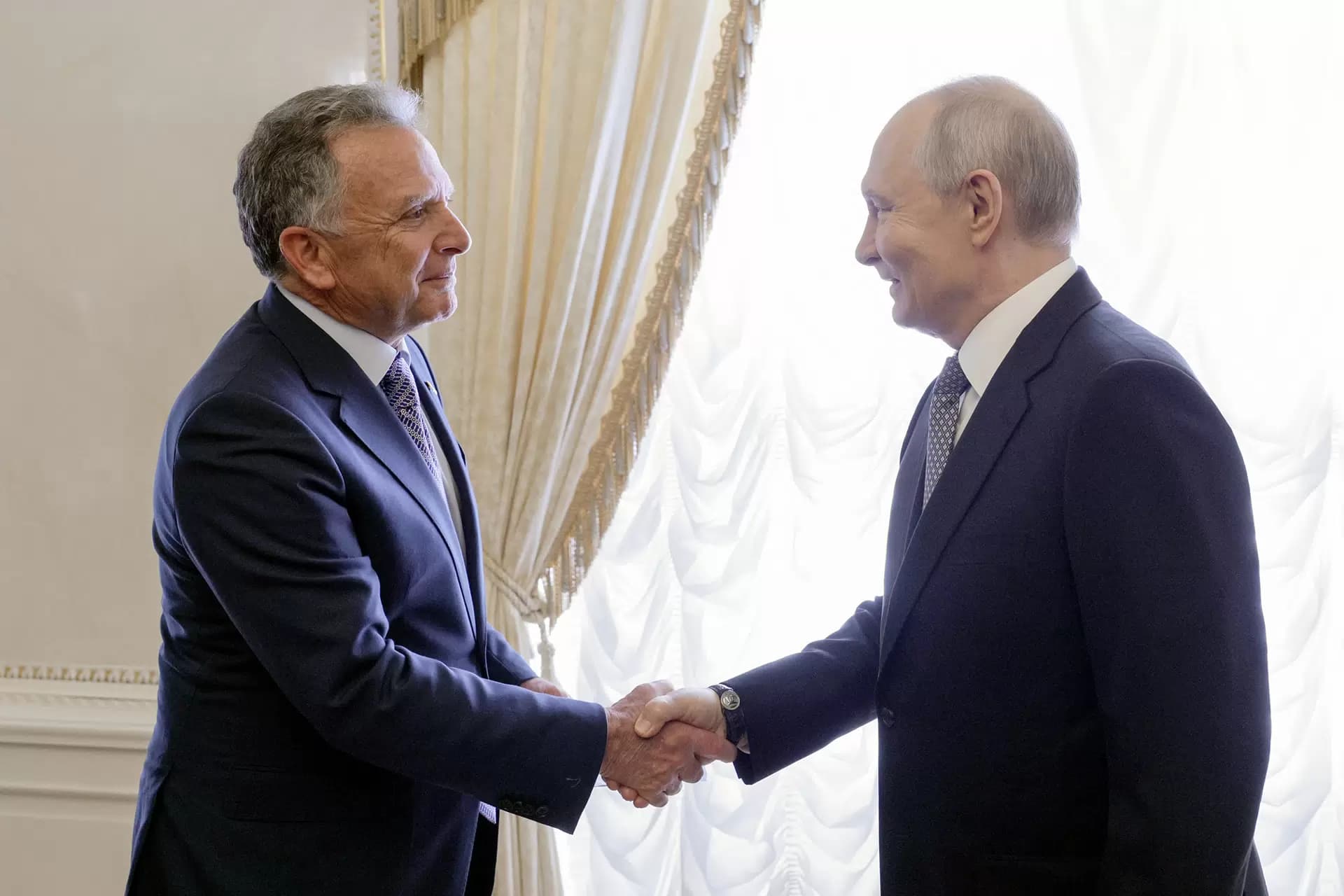
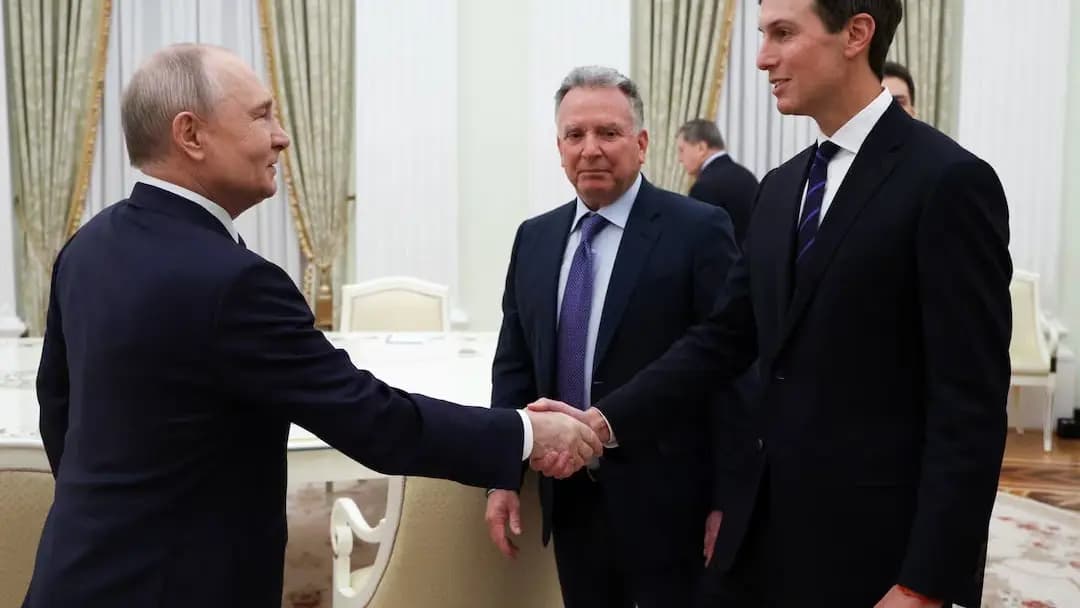
Russian President Vladimir Putin, during a meeting at the Kremlin with US Special Envoy Steve Witkoff on November 12, agreed to allow European representatives to take part in the next stage of peace talks on Ukraine. The agreement was reported by a US representative, as noted by the Reuters agency. After the meeting, Witkoff said in an interview with Russian state television: 'The Europeans will join the next meeting. We consider this extremely important, as they are our partners and their participation matters greatly to us.'
Moscow's Conditions and Washington's Position
At the same time, Putin emphasized that Washington should 'work with its European allies' so that they decide what they want in Ukraine — peace or war. He stated that Moscow has never been against dialogue with Europe and never broke it off; rather, it was the Europeans who severed dialogue with the Russian Federation. Putin also warned that the deployment of Western troops to Ukraine, even after a peace agreement, would lead to a resumption of the war, since Russia would view it as a threat to its security. Jared Kushner, who also took part in the talks, told Putin that Washington had noticed 'big changes' on Europe's part and did not expect the involvement of Europeans to become an obstacle to the process. Yuri Ushakov, aide to the Russian president, however, did not confirm European participation in the next round at a briefing and called Europe's current position on Ukraine 'a recipe for an endless war' — which shows that assessments of EU involvement differ within the Russian side.
Meeting with Zelensky and the Talks Context
After the Kremlin, Witkoff and Kushner flew to Ireland, where they met with Ukrainian President Volodymyr Zelensky on the sidelines of a European summit in Dublin. Zelensky welcomed European participation in the next round and expressed hope that steps toward a ceasefire and de-escalation would be included on the agenda: 'We agreed to work on an agenda concerning any reduction of tensions and certain ceasefire formats.' At the same time, he noted new restrictions on Starlink's operation that negatively affect Kyiv's actions on the battlefield, and called the US approach to discussing a new European security order with Russia 'a bit strange.'
What Has Already Been Agreed and What Remains Disputed
The meeting at the Kremlin was preceded by trilateral talks in Abu Dhabi on November 10 and 11 — the first direct talks between Russia and Ukraine with US mediation in the past nine months. Kyiv and Moscow announced some progress, but key disagreements, including territorial issues, remain: Russia controls roughly one-fifth of Ukraine's territory, while Kyiv refuses to cede the remaining part of Donbas. Thus, allowing Europe to the negotiating table remains, for now, a stated agreement with caveats rather than a confirmed format for the next round.