The key facts
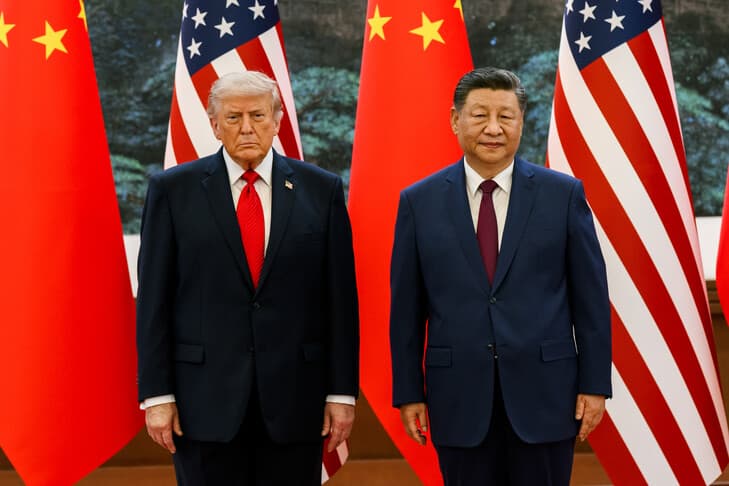
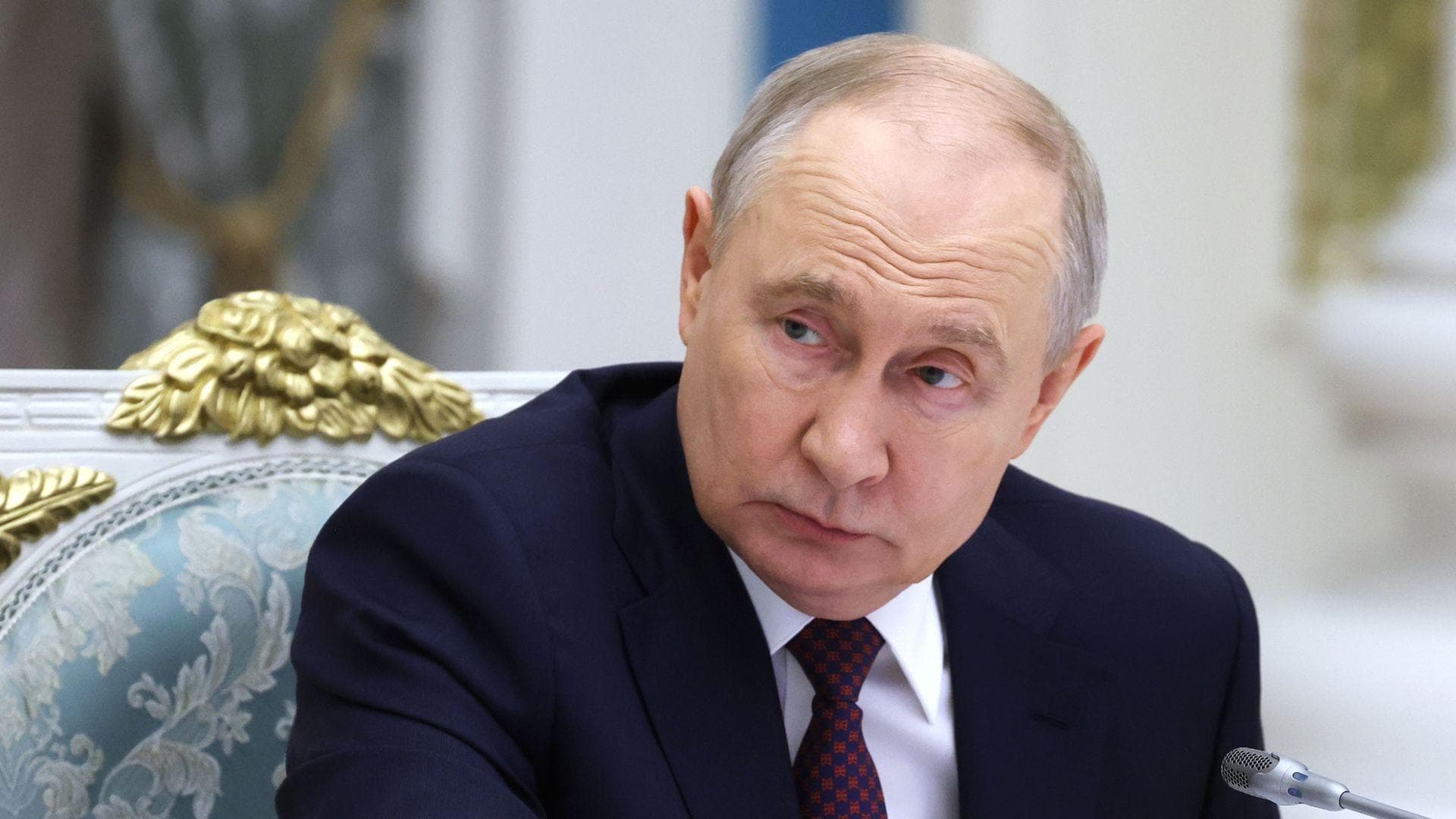
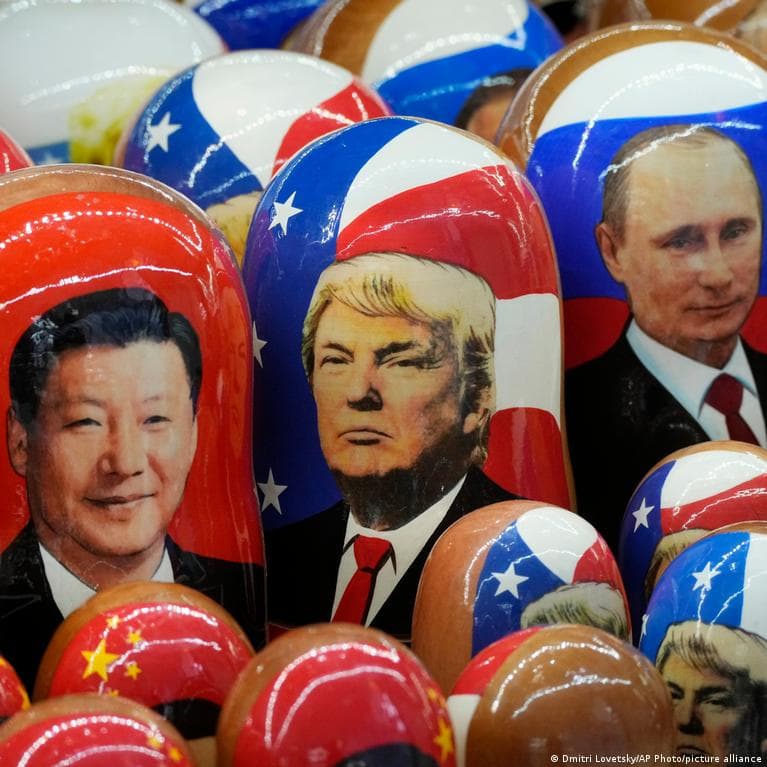
- A possible trilateral meeting of Trump, Xi Jinping and Putin is being discussed on the sidelines of the APEC summit in Shenzhen next week
- There is no official confirmation: China's Foreign Ministry speaks of 'communication with the relevant parties,' the Kremlin — of 'coordination'
- Putin proposed the idea of a trilateral summit last month in a conversation with Trump; WSJ reports he wanted to discuss ending the war in Ukraine
What is known about the possible meeting
On the sidelines of the APEC summit in the Chinese city of Shenzhen next week, an unprecedented meeting of the leaders of China, Russia and the US may take place. So far there is no official confirmation from any of the parties. China's Foreign Ministry stated only that Beijing is 'in communication' with the relevant parties, while the Kremlin said work on 'coordination' is underway. Donald Trump was the most definitive: according to him, he 'thinks' that one of the meetings planned at APEC will take place with Vladimir Putin and Xi Jinping.
What the leaders would discuss remains unclear
The content of the possible negotiations remains uncertain. Answering journalists' questions about the likelihood of the meeting, Trump did not mention Russia's war in Ukraine, naming only 'Iran' and 'denuclearization' as possible topics. China's Foreign Ministry, when asked about the substance of the talks, replied that 'there is no information.' At the same time, according to The Wall Street Journal, Putin, who proposed the idea of a trilateral summit last month in a phone call with Trump, wanted to discuss ending the war in Ukraine at it. The media have already dubbed the meeting a 'new Yalta' — by analogy with the 1945 conference — although there is no official confirmation of the summit itself.
Beijing's delicate position
For China as the host of the summit, the situation is especially delicate: Beijing does not want to be directly associated with Russia's war in Ukraine or to undermine its image as a force for global stability, and it is also working on rebalancing economic relations with the EU. Alicja Bachulska, an expert at the European Council on Foreign Relations (ECFR), noted in a comment to DW that Beijing is 'clearly concerned' about the possible trilateral meeting and deliberately maintains uncertainty in its statements, understanding the negative optics of the 'Yalta 2.0' framing. In her view, discussing Ukraine without Europeans at the table could 'provoke further escalation' of the already deteriorating China-EU relations, and even a simple photo of the three leaders could seriously damage China's image.
The context of Russian-Chinese relations
Putin and Xi have met about 40 times since 2012; after the declaration of a 'no limits' partnership in early 2022, relations between the two countries are at their deepest level in decades. In a report by the US-China commission USCC published in August, China is named a 'decisive factor enabling' Russia's war in Ukraine: Beijing is turning Moscow's dependence into military, technological, economic and geopolitical advantages, while avoiding the commitments of a formal alliance. The commission also noted the limits of support: deep mistrust persists — Russian defense companies accuse Chinese ones of stealing intellectual property, and Beijing is concerned about Moscow's rapprochement with North Korea; the countries also diverge on nuclear doctrine — China adheres to a 'no first use' policy, whereas Moscow uses nuclear threats as part of its strategy.
What experts say
Aurelio Insisa, a senior analyst at the Berlin-based MERICS, believes in a comment to DW that Beijing, even if it agrees to host the meeting, will avoid presenting it as a decision of three powers for the whole world: the 'G3' narrative would undermine its image as a defender of the Global South. He also noted that China has shown no interest in nuclear disarmament — the only pressing topic that such a format could realistically address. According to Insisa, Moscow's and Beijing's cooperation will continue in the same format: Russia supplies energy and, possibly, military technologies, while China provides dual-use technologies, buys energy, offers diplomatic cover and channels for circumventing Western sanctions, while gaining a 'privileged vantage point' on the course of the war in Ukraine. Strategic mistrust, in particular Russia's concern about economic dependence on China, will limit the scale of the cooperation.