The key facts
- The RAND Europe scenario describes a hypothetical war between Russia and NATO in 2030
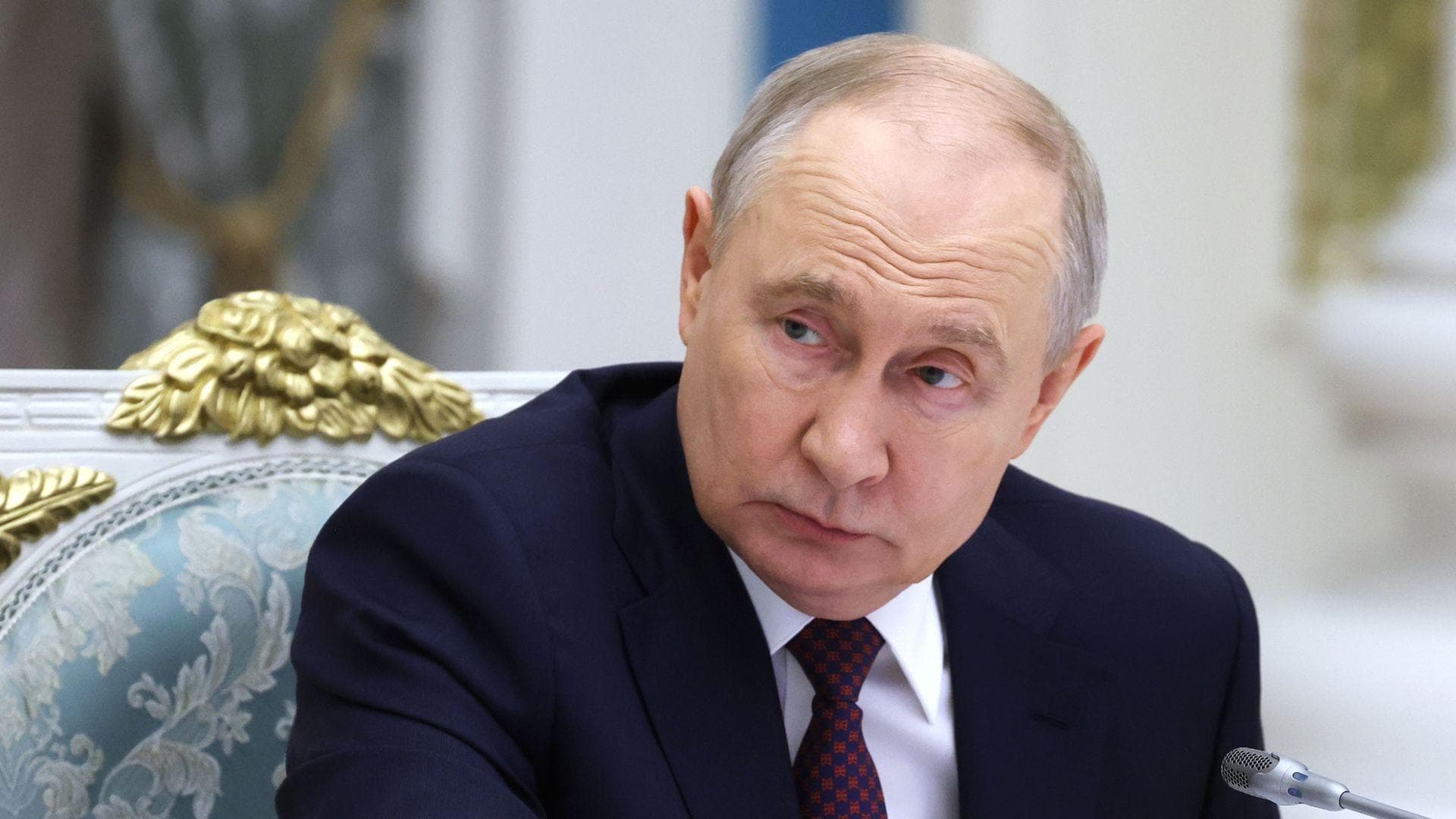
- The starting point is the death of the 74-year-old president in January 2027 and a power struggle in the Kremlin
- The authors emphasize: this is not a forecast, but one of the possible courses of events
The essence of the scenario
The RAND Europe think tank has published a report describing a hypothetical scenario of a war between Russia and NATO in 2030. The authors immediately caveat that this is not a forecast but one of the possible courses of events, although, in their assessment, by 2030 the risk of war in Europe with an adversary of comparable strength may become quite real.
Timeline of the fictional course of events
According to the scenario, in January 2027 the 74-year-old Vladimir Putin dies of natural causes without leaving a successor, and a power struggle begins in the Kremlin. In March, a former FSB general becomes president and agrees to a ceasefire in Ukraine in exchange for a partial lifting of sanctions. By July 2027, the negotiations reach a deadlock over Russia's claims to the occupied territories, the war enters a frozen phase, and the Kremlin focuses on rebuilding its army.
Escalation and the conflict in the Baltics
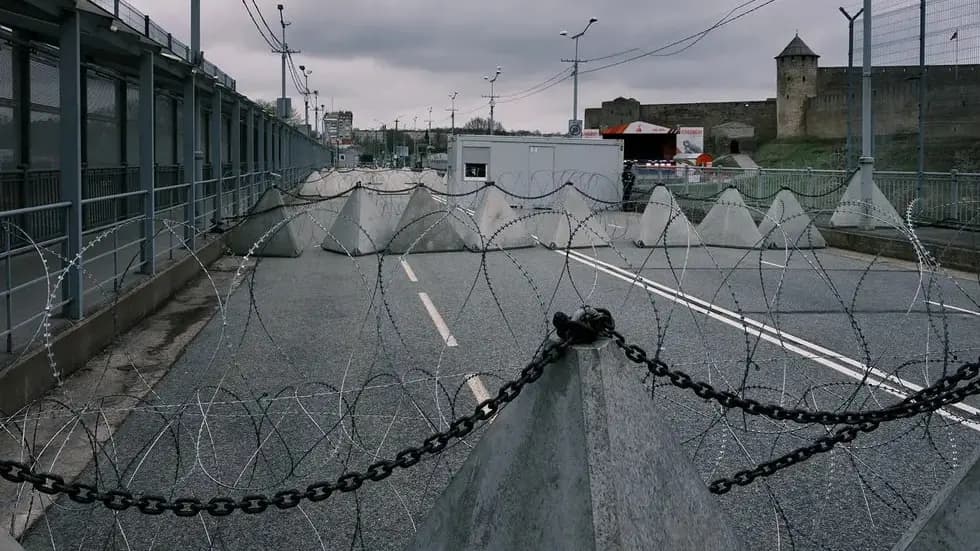
By January 2028, the new president, according to the scenario, replaces Putin's allies with officials loyal to himself, but amid an economic and social crisis his position remains unstable, and he launches a hybrid campaign against NATO countries. By 2029, a plan is developed for a limited operation in the Baltic states, aimed at demonstrating the alliance's inability to protect its members. The pretext in May 2030 becomes the violent suppression of protests by the Russian-speaking population in Narva, Estonia.
Course and outcome of the conflict in the scenario
By that point, the United States, due to a major crisis in South America, has reduced its military presence in Europe, and the Kremlin expects that NATO will not respond to a limited invasion. However, the alliance invokes Article 5 on collective defense and sends troops to Estonia. Hostilities extend beyond the Baltics; by November 2030 the European forces are exhausted, but Russia fails to achieve a decisive success, and the president faces internal pressure over the drawn-out operation.
The scenario's finale
Moscow declares the operation's goal of 'protecting the Russian-speaking population' achieved, the countries of Western Europe agree to a ceasefire, but Russian troops continue to control Narva and most of Estonia's Ida-Viru County. Peace talks stall again, and the conflict is frozen.