The key facts
- Teachers rank among the five most scarce occupations in 13 countries, doctors and ICT specialists in 12
- Medical staff are in shortage in 23 of 27 countries; general labourers are easy to find in 21 countries
- Norway, Spain and France contradict the Europe-wide picture; AI may reduce demand for entry-level IT positions
What the OECD report showed
Teaching turned out to be the hardest occupation to fill on average across Europe, followed by doctors and ICT specialists. The top five is rounded out by associate health professionals (medical technicians, some nurses) and business and administration specialists. Employers find it easiest to hire general labourers, followed by unskilled workers, kitchen assistants, salespeople and assemblers. The OECD index compares occupations within each country: positive values indicate relative shortage, negative values indicate surplus; it does not count vacancies or missing workers. Data for most countries refer to 2024.
The scale of shortages by sector
Medical workers are in shortage in 23 of the 27 countries covered, associate health professionals in 21. Teachers are hard to find in 21 countries; in Germany, Greece, Italy, Norway, Spain and Turkey the occupation is assessed as roughly balanced. ICT specialists and business and administration specialists are in shortage in 18 countries each. At the other end of the scale, general labourers are easy to find in 21 countries, kitchen assistants in 17, unskilled workers in 16, salespeople and other office clerks in 15.
Why there is a shortage of doctors and teachers
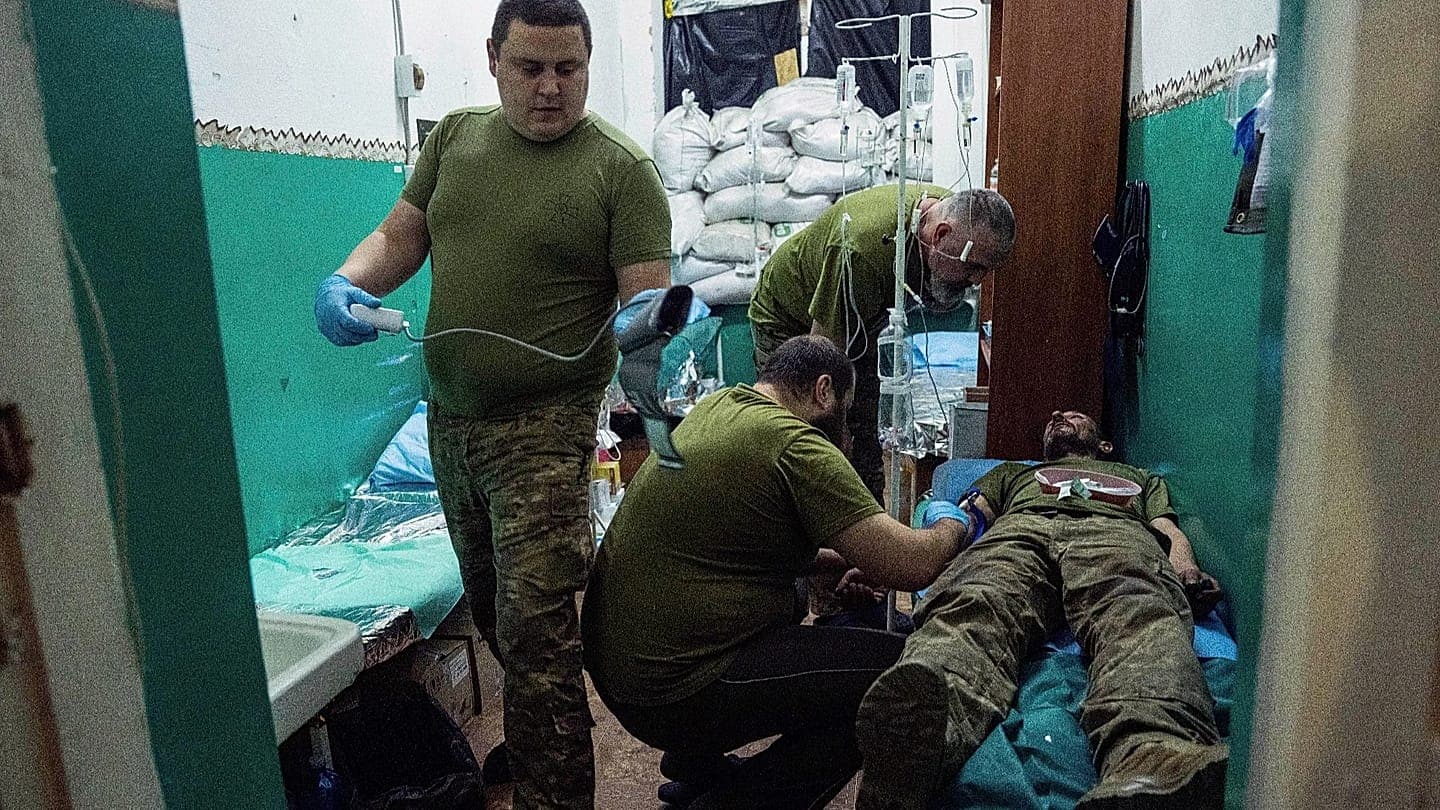
Paul De Raeve and Manuel Balotta of the European Federation of Nurses Associations (EFN) stated that EU healthcare systems cannot retain and recruit nurses: high patient-to-nurse ratios, unsafe conditions, mental health problems, low pay, limited career prospects, lack of professional recognition and frequent cases of harassment and violence. Dr. Ole Johan Bakke, president of the Standing Committee of European Doctors (CPME), pointed to growing overtime with which doctors compensate for the systemic staff shortage, and to the increasing violence against healthcare workers; according to him, this leads to burnout and reduces the attractiveness of the profession.
Teachers: not just about pay
Daniel Wisniewski, secretary general of the European Federation of Education Employers, noted that the teacher shortage is no longer only a matter of filling vacancies but of the long-term attractiveness of the profession. According to him, competitive salaries are necessary, but the profession has become more complex: schools are introducing digital tools, becoming more inclusive, taking on more responsibility for pupils' wellbeing, and the volume of administrative work is growing. He stressed that working conditions, professional autonomy, career development opportunities and the quality of school leadership also matter.
AI and country exceptions
OECD economist Isabelle Skak Olufsen linked demand for ICT specialists to digitalisation but added that the development of artificial intelligence may in future reduce the need for some of them, especially in entry-level positions. According to her, the structure of the economy explains country differences: in South Korea and Germany, a large manufacturing sector creates shortages of mid-level specialists, including assemblers and machine operators, while countries where teachers and medics are paid relatively well may face smaller shortages. Norway, where general labourers are hardest to find, Spain with an acute shortage of kitchen assistants, and France with a shortage of unskilled workers deviate from the Europe-wide picture. For ICT specialists, the market is balanced in Denmark, Finland, Germany, the Netherlands, Norway and Sweden, while Austria, Switzerland and the United Kingdom show a surplus.
The shortage is described as structural
Pia-Johanna Fallström, a representative of the European Labour Authority (ELA), stated that staff shortages in Europe are increasingly structural rather than temporary: demographic changes, skills mismatches, job quality and limited mobility all play a role. According to her, ELA analysis shows that many occupations that are in shortage in one country are in surplus in another. Against the backdrop of these shortages, the situation of young people is deteriorating: the OECD recorded a widening unemployment gap between young graduates and the entire working-age population, and the ECB found that employment prospects for young people in the eurozone have weakened since 2023.