The key facts
- Sostre Cívic develops a model in which the cooperative owns the housing and members hold a permanent right to live in it
- The Ca l'Ordit project has 62 apartments for about 90 low-income residents; entry fees of €12,000–24,000 and monthly payments up to 40% below market rent
- The cooperative criticizes Barcelona's authorities: over four years, land was allocated for cooperative housing for only 100 buildings, versus more than 1,000 rental ones built with commercial companies
A crisis that pushed the country to early elections
The housing crisis in Spain has triggered mass protests across the country and, in October, demands for early elections, which will be held at the end of November. Mari Carmen Abascal became a symbol of the fight for the right to housing: at 87, she was evicted from the apartment where she had lived for more than 70 years, and she died two weeks later. According to published reports, an entire generation of Spaniards spends 50% to 60% of their income on constantly rising rent.
The 'use-right' model
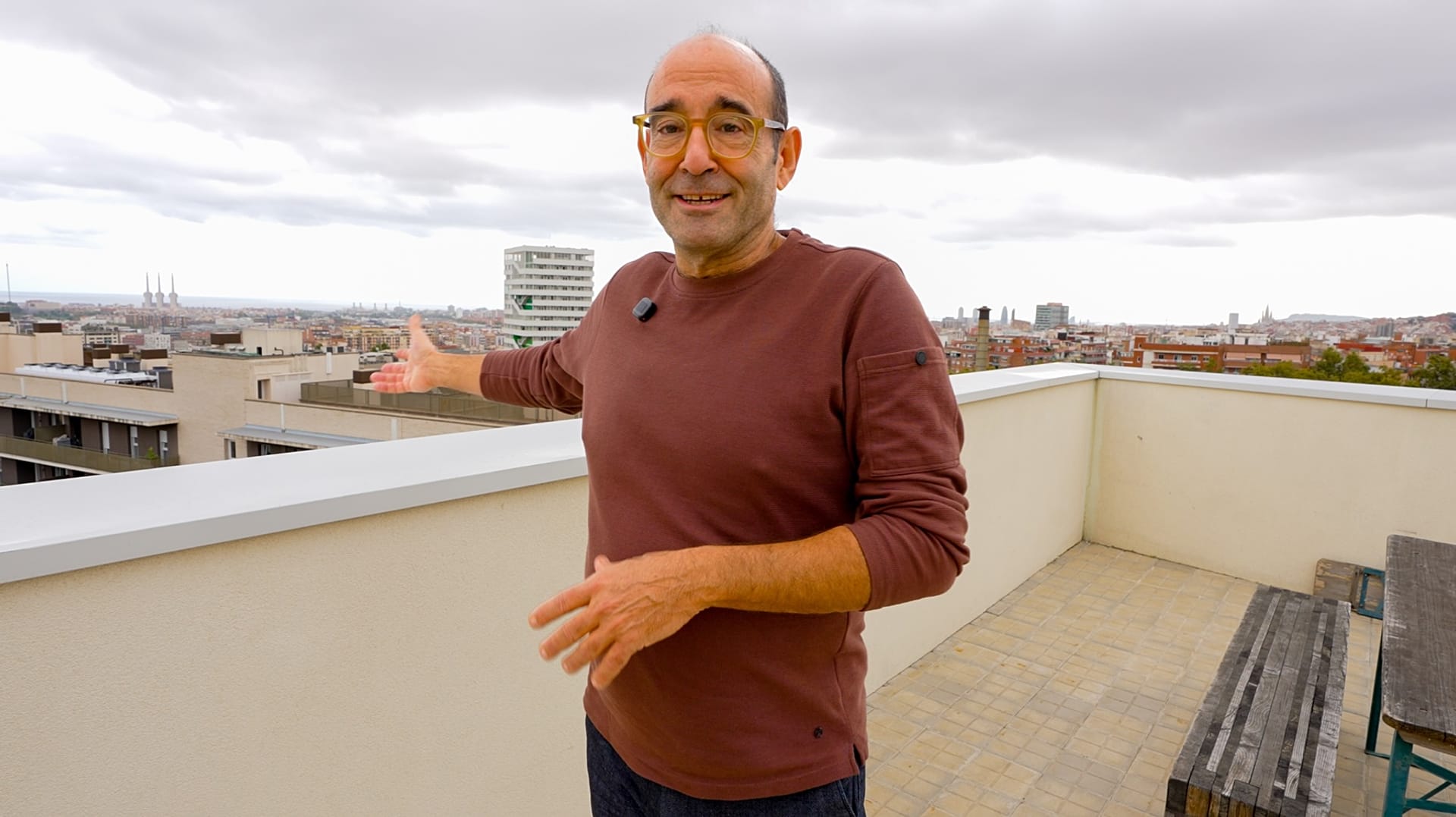
Barcelona is one of the epicenters of the protests, but also the center of an alternative model promoted by the non-profit cooperative Sostre Cívic. 'Until now, access to housing in Spain has been based on two options: buy or rent. This model is outdated, and it is precisely this model that is responsible for the current housing crisis,' explained José Téllez, head of the cooperative's communications department. In the use-right model, the property belongs to the cooperative, and its members have a permanent right to live in their homes.
Ca l'Ordit: financing without profit
An example is the Ca l'Ordit project in northeast Barcelona, one of the largest cooperative housing projects in Spain: 62 apartments on ten floors for roughly 90 low-income residents. The municipality provided the land free of charge under a use-right agreement, EU NextGeneration funds cover almost €3 million, and the Council of Europe Development Bank provides preferential financing — with no built-in profit. Future residents had to pay between €12,000 and €24,000, and the monthly fee for services, maintenance and taxes is estimated to be up to 40% below market rent.
Cirerers: living as a community
On the northern outskirts of Barcelona, about 50 people have been living since 2022 in the eight-story cooperative building Cirerers. 'My home is not limited to the 45 square meters of my apartment. It includes several shared spaces and a terrace,' said Toni Artal, a 59-year-old resident. Residents get involved even before construction begins: at monthly meetings and in committees, they decide how to organize the shared spaces. The building has a 'library of things,' a bicycle workshop, a carpentry workshop and a shared kitchen.
Scale and limitations
Founded more than 20 years ago and inspired by the cooperatives of Northern Europe, Sostre Cívic has more than 2,700 members and about 30 projects in Catalonia; residents have already moved into half of them — more than 200 apartments — and over the next three years that number is expected to reach 550. At the same time, the cooperative itself assesses the authorities' response as contradictory: according to Téllez, over the past four years Barcelona has allocated public land for only 100 cooperative homes, versus more than 1,000 rental ones built in partnership with commercial companies. As the cooperative itself admits, the model alone will not solve the housing crisis in Europe: scaling it up requires land, financing and political recognition of housing as a right.