The key facts
- The campaign opened at midnight ahead of the 29 November vote; Sánchez called early elections after the failure of the housing decrees in October
- A 40dB. poll for El País and Cadena SER projects 190 seats for PP and Vox, with 176 of 350 needed for a majority
- Almost 56% of respondents to the October CIS poll named housing among the country's three main problems
Early elections and campaign launch
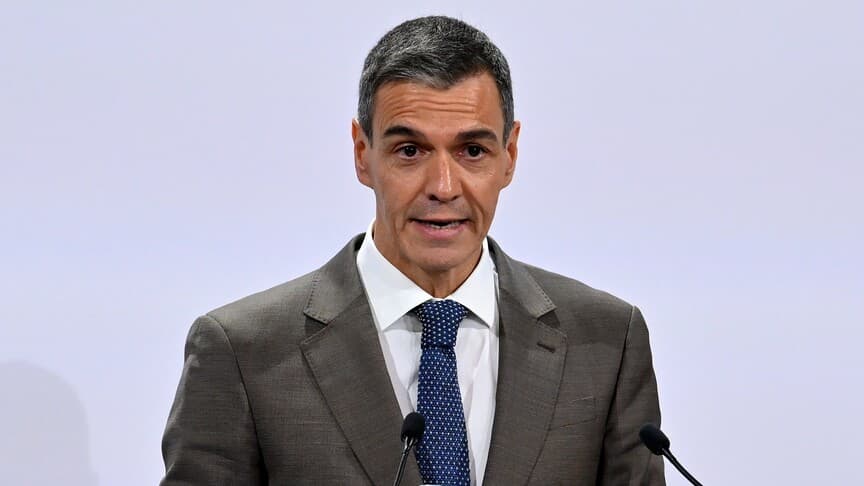
In Spain, the campaign ahead of early general elections scheduled for 29 November opened at midnight. Prime Minister Pedro Sánchez announced the early vote after parliament rejected his government's housing decrees in October. The main themes of the campaign are the cost of housing, migration, corruption scandals and railway safety.
Poll standings
An initial 40dB. poll for El País and Cadena SER projects a combined 190 seats in the 350-seat lower house for the conservative People's Party (PP) and the far-right Vox — above the 176 needed for a majority. PP receives 31.5%, Vox around 19%, meaning the far right could nearly double its representation compared with 2023, partly drawing voters away from the conservatives.
The right-wing bloc: migration and corruption
PP leader Alberto Núñez Feijóo launched the campaign in Badalona near Barcelona, promising a government that will secure the borders, demand integration from newcomers and will 'not steal' — a reference to judicial investigations surrounding the Socialists and Sánchez's circle. Vox leader Santiago Abascal spoke in Huesca: his party proposes militarising the border at Ceuta, prioritising Spaniards in access to housing and banning renting housing to migrants without legal status. Abascal blamed migration for the strain on healthcare and called the government 'a criminal, lying and corrupt mafia'. Both parties advocate expanding housing construction, and Feijóo promised to repeal the housing protections approved on Thursday.
Sánchez and the left
Sánchez opened the campaign in Seville, calling for an 'epic comeback' through mass mobilisation of progressive voters, and framed the choice as a fork between social progress and a rollback of rights, citing the government's record on pensions, the minimum wage and parental leave. He also noted parliament's approval on Thursday of the housing protections — guarantees against eviction and extensions of rental contracts; a separate proposal for indefinite rent extensions was rejected. Housing has become the country's main public issue: in the October CIS poll almost 56% named it among the three main problems. Former Barcelona mayor Ada Colau, a candidate of the Frente Amplio coalition, began the campaign in Madrid's working-class district of Vallecas, urging Sánchez to show 'more humility towards the working class and more courage towards speculators'. Podemos is running in the elections separately, so left-wing parties have to mobilise voters while competing with each other. If neither bloc wins a majority, Catalan, Basque and other regional parties could once again play the decisive role.