The key facts
- Burnham calls a possible EU deal a 'win-win' and expects negotiations to 'go right down to the wire'
- At the 20 November summit in Brussels, agreements on food, energy and youth mobility are planned
- The opposition is split: Conservatives oppose closer ties, while the Liberal Democrats demand a return to the single market
Optimism ahead of the summit
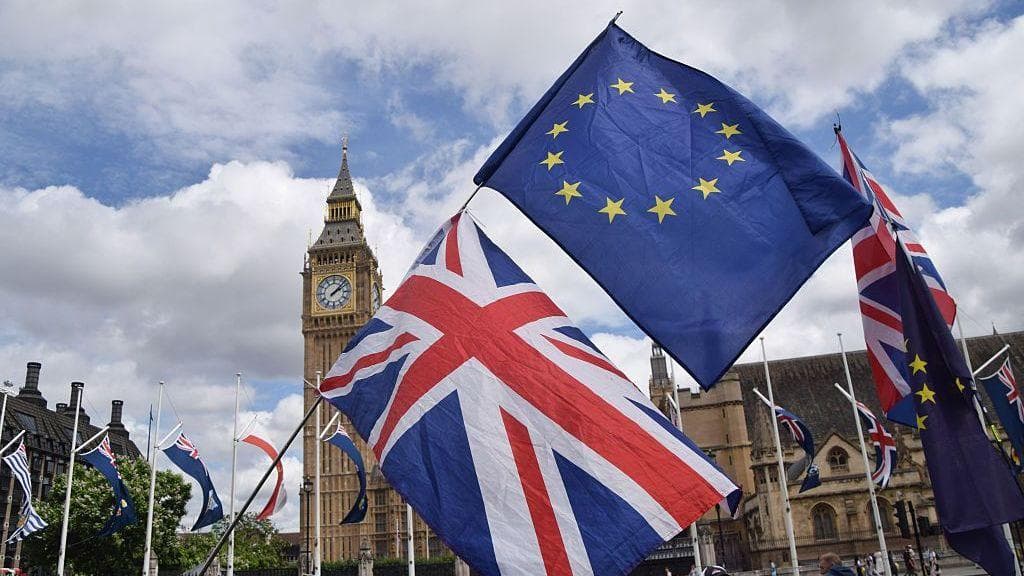
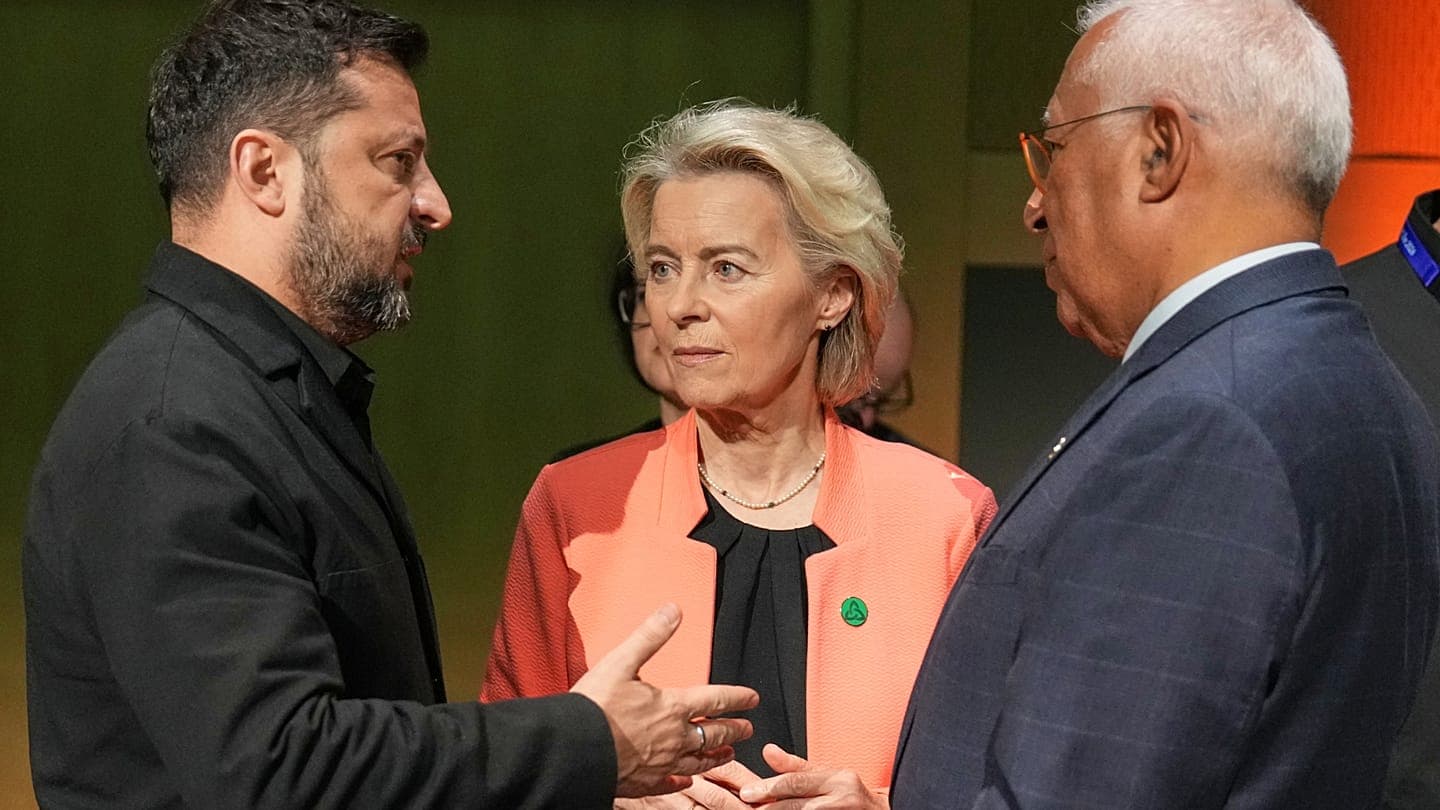
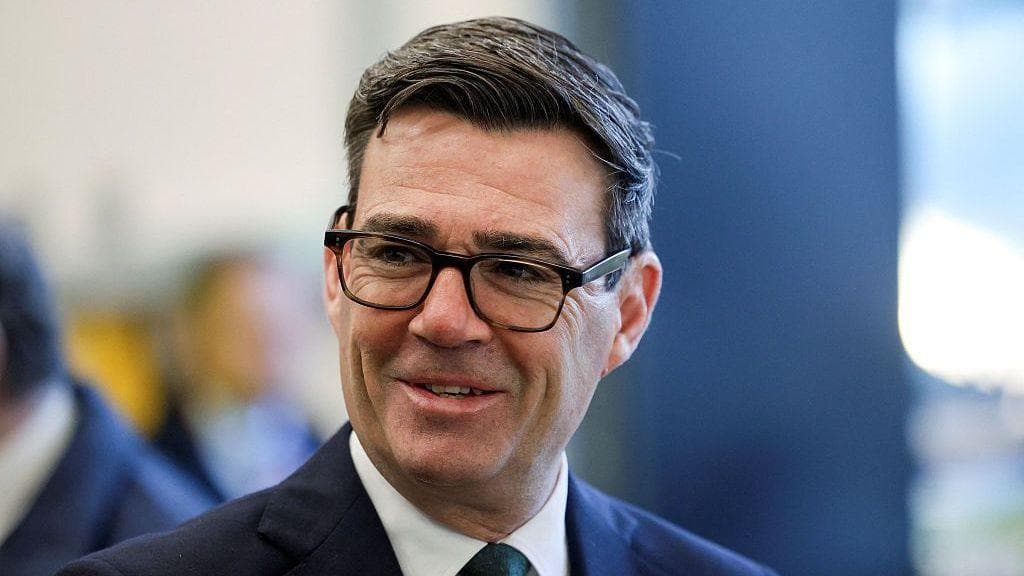
UK Prime Minister Andy Burnham has said he believes a 'mutually beneficial' deal with the European Union is possible, which, in his words, could turn out to be 'more like the Brexit people thought they were voting for in 2016'. He spoke after meetings with European leaders in Ireland on Thursday, BBC News reports; the Anadolu agency also cites these remarks in its account. Burnham expressed hope that the agreement would help bring prices down and support the British economy, and predicted that negotiations could 'go right down to the wire'.
What has already been agreed and what is being discussed
The Prime Minister is exploring closer ties with the bloc, and at the UK–EU summit on 20 November in Brussels new agreements on food, energy and youth mobility are expected to be signed. Ahead of the summit, the sides agreed a draft deal to remove post-Brexit checks on exports of food and agricultural products; texts on emissions trading and a youth travel-and-work scheme have also been circulated to EU member states. According to the government's estimate, the agreement will ultimately bring the British economy up to £5.1 billion in annual benefits. Burnham would not say whether discounts on tuition for European students would be part of the deal, noting only that 'requests are coming from the European side, and we are putting our own requests on the table as well'. Earlier, in May 2025, then-Prime Minister Sir Keir Starmer concluded a deal covering fisheries, trade and other areas; the upcoming summit is meant to take things further.
The limits of closer ties and the parties' reactions
Although Burnham argued that Brexit has done 'more harm than good', he ruled out major changes to relations with the EU before the next general election and reaffirmed the Labour Party's 2024 manifesto commitment: 'no return to the single market, the customs union or free movement'. He also spoke of his desire to weigh the 'pros and cons' of options for long-term relations with the bloc. The opposition's response was divided: Conservative leader Kemi Badenoch has previously spoken out sharply against alignment with EU rules, while MP and former minister Priti Patel said that 'Burnham's obsession with the EU risks dragging Britain backwards'. The Liberal Democrats called the draft deal 'a patch, not a solution' and insist on rejoining the single market and customs union; the Greens also back a customs union, while Reform UK sees any alignment as a threat to the country's trade policy. Asked whether his return to the debate about Britain's future in Europe had helped or hindered the negotiations, Burnham said: 'I think it has helped', adding that a 'big week' lies ahead to 'get the deal over the line'.
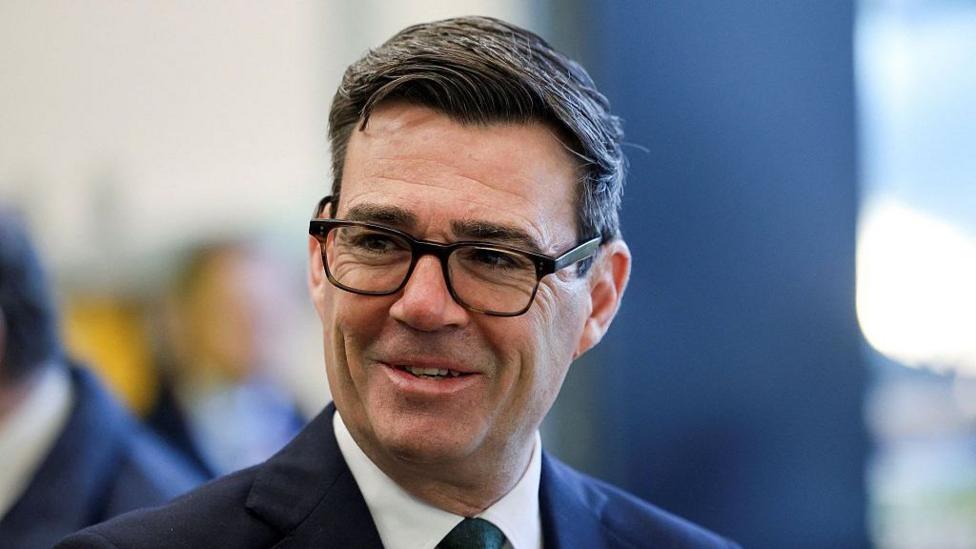 Image source, Getty Images