The key facts
- The Stay Out campaign has come out against the possible return of the UK to the EU on the eve of the summit with the EU
- Prime Minister Andy Burnham intends to sign agreements on food, energy and youth mobility on 20 November
- Stay Out estimates the cost of rejoining at £39.3 billion a year; the BBC has not verified the calculations
New campaign against rejoining the EU
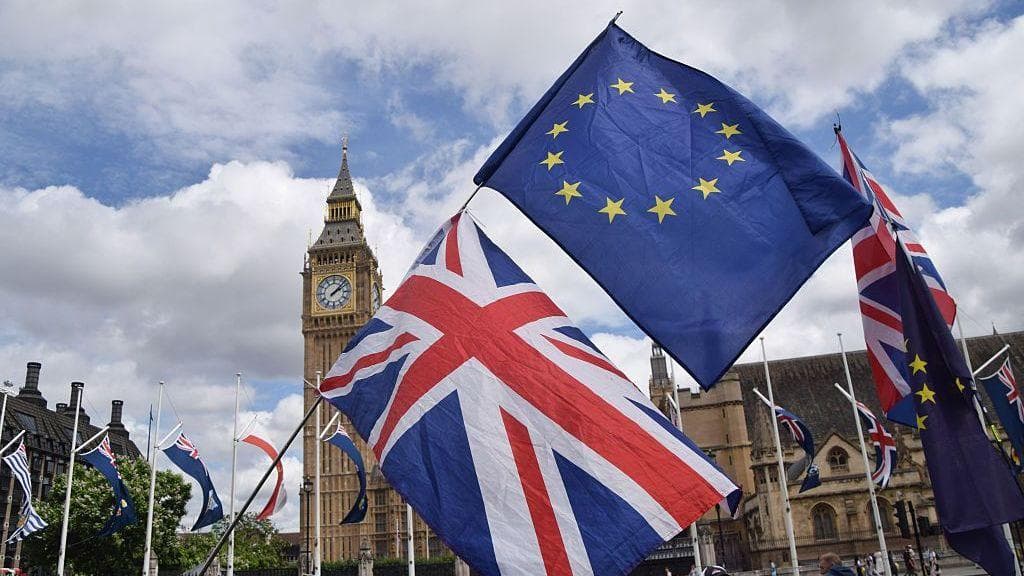
On the eve of the UK–EU summit, scheduled for 20 November, the Stay Out campaign has been launched,opposing the country's re-entry into the European Union. BBC News reports the news. It is led by Oliver Lewis, who previously worked on the Vote Leave campaign team during the 2016 referendum and served as deputy chief negotiator for the UK government in trade talks with the EU. Lewis said: 'The country is tired of arguments about Europe; it is time to move on and spend our money on our own priorities.'
The campaign's calculations and arguments
The campaign accompanies its launch with an analysis claiming that rejoining the EU would cost the UK £39.3 billion a year, or £750 million a week. BBC News stresses that it has not independently verified these calculations. The campaign is backed by Lord Gove, chairman of Vote Leave, who warned that reopening the Brexit question 'would commit the country to another decade of exhausting negotiations.' In his words, rejoining would mean 'handing back control of our laws, borders, money and trade,' and membership would cost 'noticeably more than before.' He added that people are 'desperate for Westminster to deliver on their priorities.'
Burnham's position and the summit context
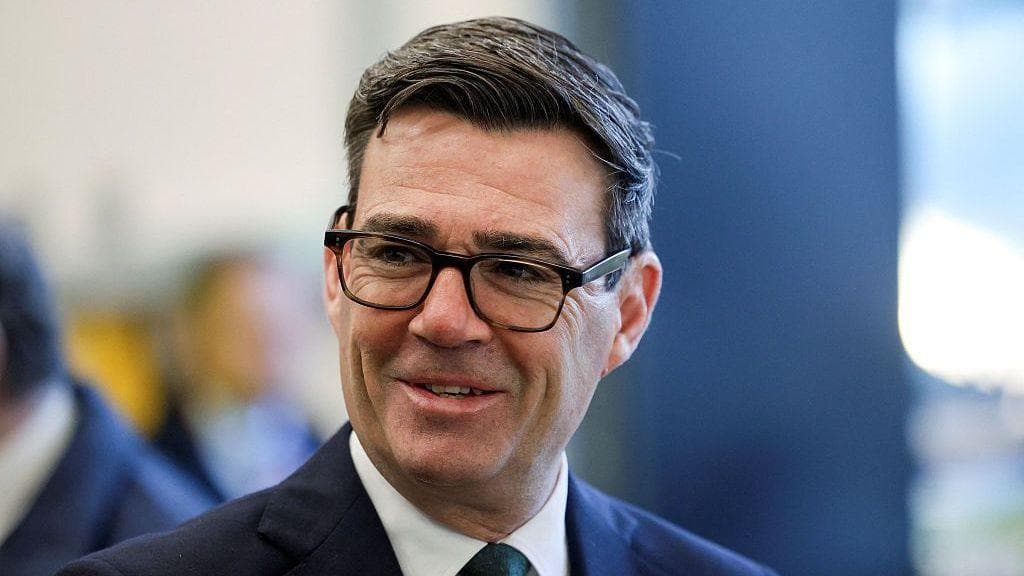
Prime Minister Andy Burnham is exploring closer ties with the EU and is expected to sign new agreements on food, energy and youth mobility on 20 November, arguing that a 'win-win' deal is possible. At the same time, according to BBC News, he rules out major changes in relations with the EU before the next general election, although he previously said Brexit had done 'more harm than good.' In September, when asked whether he wanted to rejoin the EU, Burnham replied that he wanted to 'consider the options,' adding that he had previously favoured such a step during his lifetime, but 'that is not necessarily the case now.' Thus, the launch of the campaign marks a divide: the government is moving towards targeted agreements, while opponents of rejoining are trying to close the membership question in advance.
 Image source, Getty Images