The key facts
- AIIB met its climate investment share target ahead of schedule: 72% instead of the planned 50% by 2025
- The bank and Turkey signed a $1.6 billion financing package approved by the board of directors in late October
- Turkey is AIIB's second-largest market: 48 projects worth $11.06 billion
AIIB Bets on Private Capital
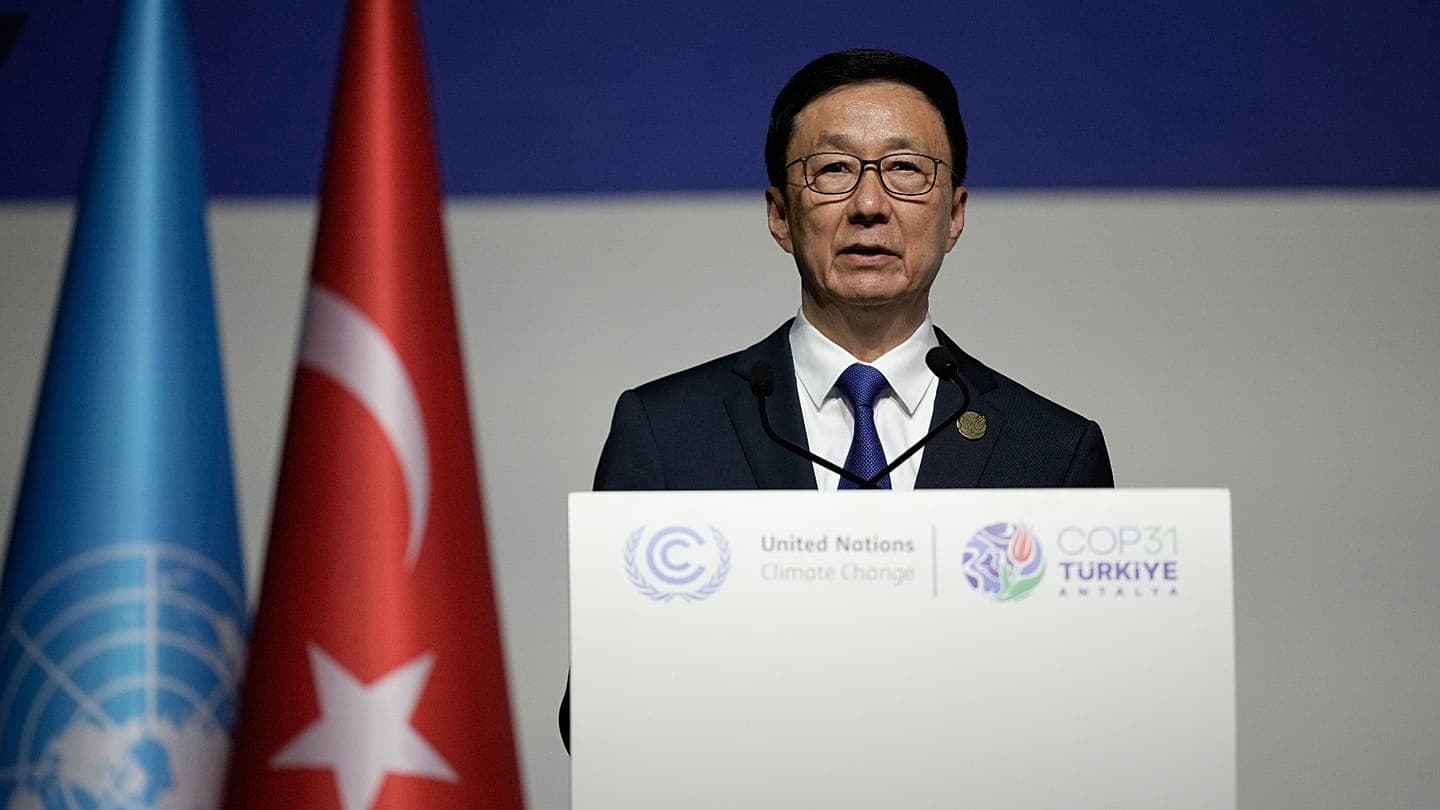
The Asian Infrastructure Investment Bank (AIIB) seeks to attract more private investment into climate infrastructure by reducing project risks, supporting policy reforms and providing technical expertise. This was stated by the bank's Vice President Ajay Pandey in an interview with the Anadolu Agency on the sidelines of COP31 in Antalya.
Why Public Money Is Not Enough
According to Pandey, multilateral development banks play a key role in closing the global climate finance gap, since public funds do not cover needs measured in trillions of dollars. 'We cannot close this gap because it is measured in trillions. That is exactly why we need to attract private capital,' he said. The bank works with governments on three levels: creating a favorable policy environment, financing infrastructure projects and making them more attractive to the private sector. To attract investors, Pandey emphasized, projects must demonstrate working revenue streams and predictable returns — the task of development banks is to make a project 'bankable.' AIIB uses direct loans, equity investments and guarantees, as well as cooperation with other development banks to reduce risks. The bank's balance sheet value of assets is about $80 billion; over ten years it has approved financing for more than 380 projects in more than 80 countries.
Climate Investments Already at 72%
Pandey noted that AIIB originally planned to allocate 50% of infrastructure investments to climate finance by 2025, but reached the target ahead of schedule: this share now stands at 72%. The bank does not treat climate finance as a separate category but embeds climate considerations into infrastructure projects from the design stage.
$1.6 Billion Package for Turkey
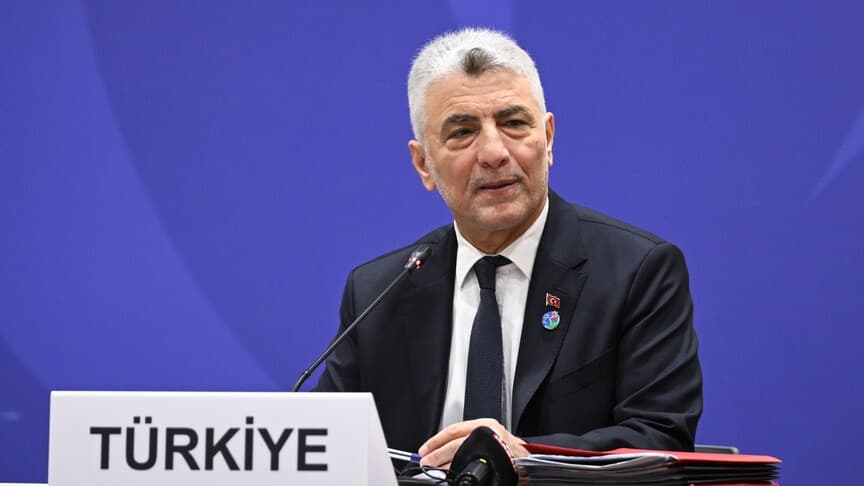
On the sidelines of COP31, AIIB and Turkey signed an agreement on a $1.6 billion financing package to support policy and institutional reforms under the country's climate commitments. The package was approved by the bank's board of directors in late October. It supports Turkey's climate law and its second nationally determined contribution, which sets an emissions target for 2035 as part of a pathway to net zero by 2053. The financing is structured along three areas: sustainable finance, decarbonization of sectors and climate resilience. Pandey stressed that the package reflects support for reforms initiated by Turkey itself, not imposed from outside. A separate component is aimed at promoting the export of equipment and components for renewable energy. Turkey is AIIB's second-largest market by total approved financing: the bank has approved 48 projects in the country worth a total of $11.06 billion. According to Pandey, successful projects in Turkey can serve as an example for other member countries of the bank.
COP31 — a Conference of Action
Comparing the current conference with COP30 in Brazil, Pandey noted a stronger emphasis on concrete action and implementation rather than setting new targets. As examples, he cited discussions on electrification, regional power grids and practical steps to accelerate climate investment. 'This is not a COP of targets, it is a COP of implementation, a COP of action,' he concluded, adding that mobilizing private capital has become a central theme of discussions on financing the transition.