The key facts
- Kazakhstan sees prospects for cooperation with Türkiye in renewables, building energy efficiency, waste management and emissions quota trading
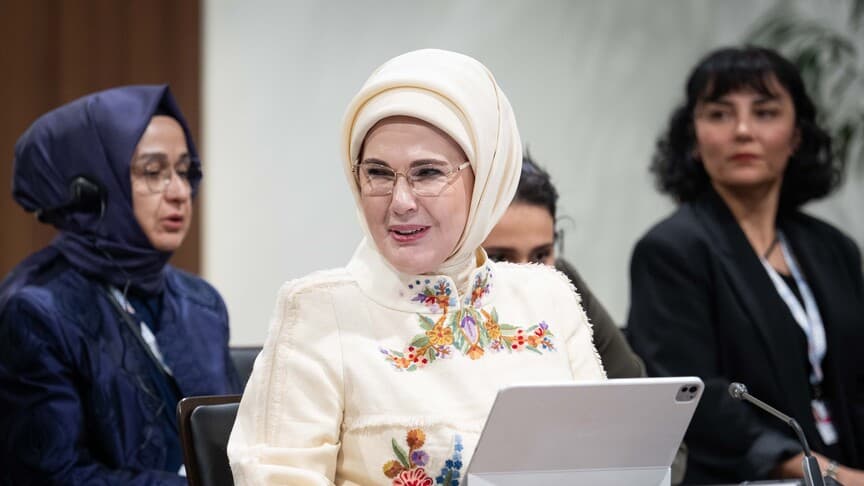
- Kuantyrov thanked Emine Erdogan for the Zero Waste initiative and recalled the opening of a waste processing laboratory in Astana in May
- Kazakhstan presented at COP31 an updated NDC, projects to reduce industrial emissions and a tiger reintroduction program near Balkhash
Cooperation on the sidelines of COP31
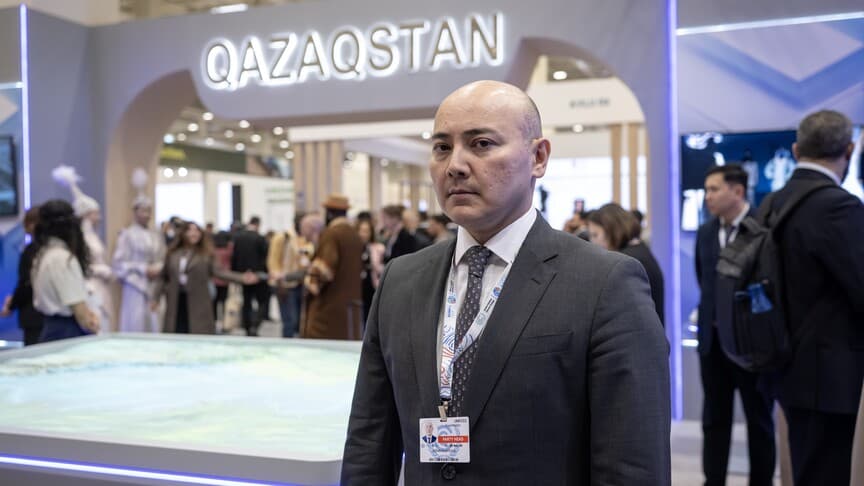
Kazakhstan seeks to deepen climate cooperation with Türkiye, primarily in renewable energy, energy efficiency, waste management and emissions quota trading. This was stated in an interview with the Turkish Anadolu agency on the sidelines of the COP31 conference in Antalya by the Minister of Ecology and Natural Resources of Kazakhstan, Alikbek Kuantyrov. According to him, for Kazakhstan, Turkish experience in developing renewables, energy efficiency of buildings and solid waste management is especially important: 'Türkiye has made progress in many areas.'
What both sides are offering
The minister emphasized that Kazakhstan also has expertise it is ready to share — in biodiversity conservation and in financial technologies that support environmental investments. He named carbon trading and the creation of emissions trading systems as promising areas of bilateral work: 'I think we can complement each other with joint projects in these areas.' Kuantyrov characterized the relations between the two countries as an expanded strategic partnership covering economic, political, geopolitical, climate and energy issues, and expressed satisfaction that Türkiye is hosting COP31.
Zero Waste and Kazakh projects
Separately, the minister praised the Zero Waste initiative, launched in 2017 under the leadership of the wife of the Turkish president, Emine Erdogan, aimed at reducing waste, recycling and more efficient use of resources. 'Kazakhstan is especially grateful to Mrs. Emine Erdogan for launching the Zero Waste program,' he said, noting that the initiative has changed attitudes toward waste and the circular economy, especially among young people. He recalled that in May, Emine Erdogan visited Astana and opened a research and practical laboratory on waste management at the agrarian university.
Commitments and biodiversity
Speaking about his country's own priorities, Kuantyrov said that Kazakhstan's pavilion at COP31 presents an updated nationally determined contribution (NDC), carbon neutrality goals and projects to reduce industrial emissions involving major companies in the oil, gas and metallurgical sectors. 'While preserving the environment, we find new opportunities for economic development,' he noted, while acknowledging that combining economic growth and nature protection is a common task for the countries of the world.
Tigers and saigas as an exchange of experience
Among examples of Kazakhstan's environmental efforts, the minister cited a long-term program to return tigers to the south of the country, to the area of Lake Balkhash, where the species disappeared more than 70 years ago; its initial phase is designed for at least 35 years. He also cited the restoration of the saiga population: according to him, it grew from about 21,000 individuals in 2003 to 4.7 million after state protection measures. Kazakhstan, Kuantyrov added, is ready to share its experience in biodiversity restoration with Türkiye, including species reintroduction: 'We have many examples we can share, and we can help our brotherly country return several species.' The publication does not report any specific signed agreements or launched joint projects — for now, we are talking about stated intentions.