The key facts
- Kazakhstan proposed creating an international water organization under UN auspices — an initiative by President Tokayev
- The share of renewables in Kazakhstan's electricity generation grew over six years to 8%, with a target of 15% by 2030
- Kyrgyzstan proposed a Global Center for Mountain Resilience and a fund for Lake Issyk-Kul with a $10 million contribution
Kazakhstan's water initiative
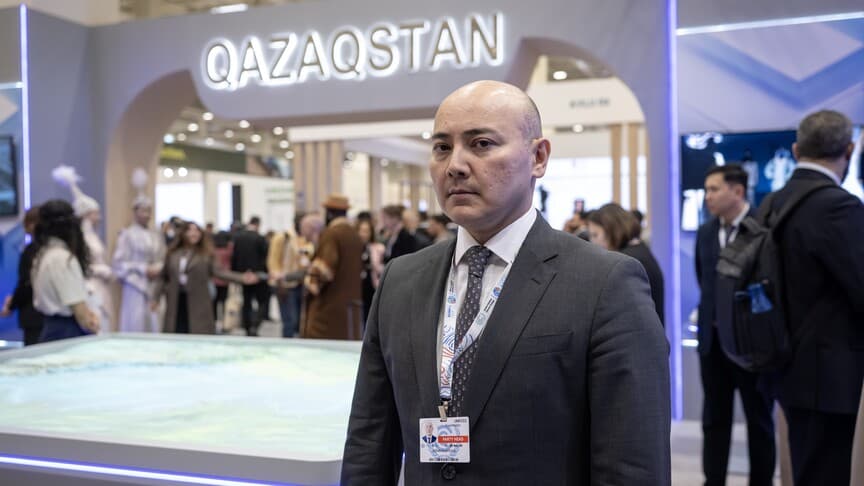
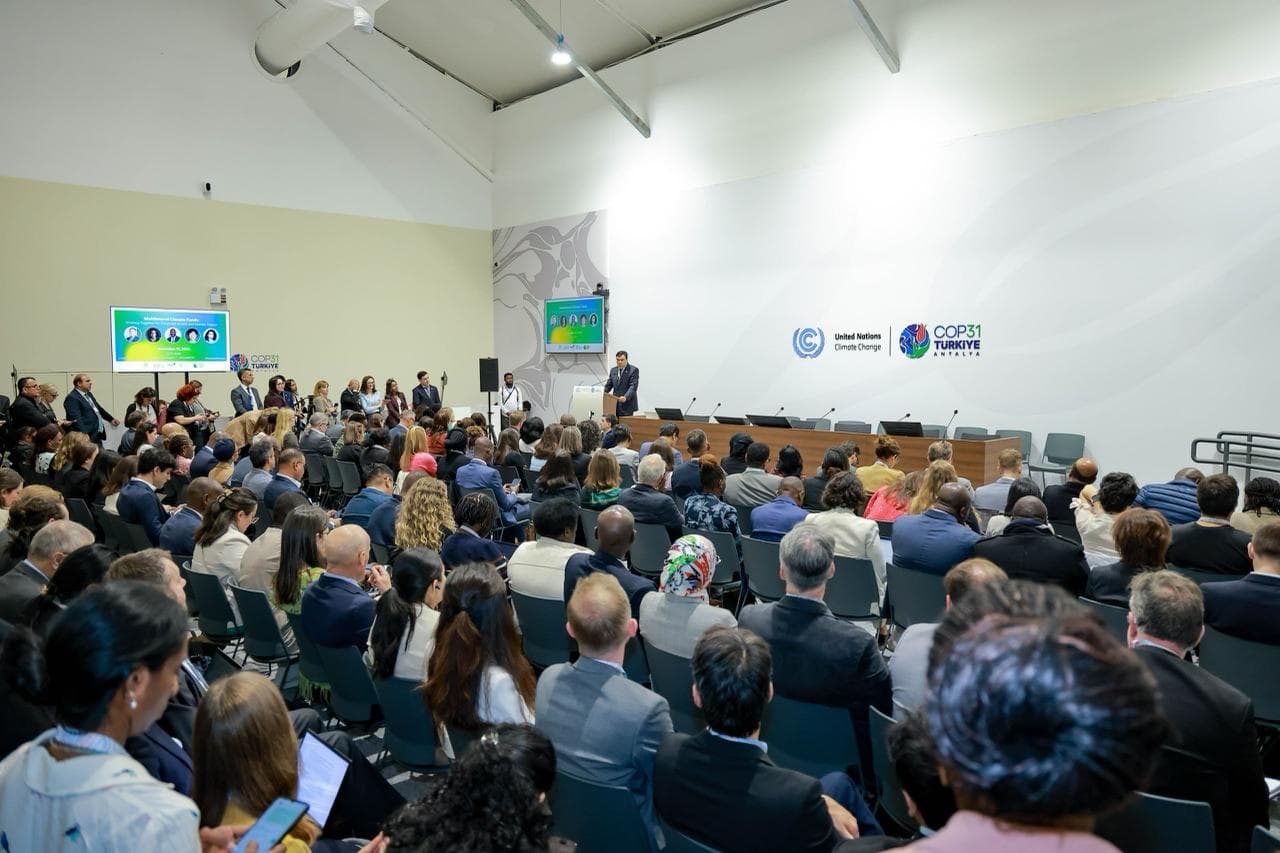
Speaking at the UN climate conference COP31 in Antalya, Turkey, Kazakhstan's Prime Minister Oljas Bektenov proposed establishing an international organization on water issues under the auspices of the UN to strengthen global cooperation on water security. The initiative was put forward by President Kassym-Jomart Tokayev, and Bektenov invited international partners to support it. According to him, Central Asia is facing growing challenges — rising temperatures, shrinking glaciers, desertification and water shortages — which require closer regional cooperation (Anadolu).
Climate commitments and the green corridor
Bektenov reaffirmed Kazakhstan's commitment to the Paris Agreement and the national goal of achieving carbon neutrality by 2060. He noted that the share of renewable energy in electricity generation had quadrupled over six years to 8%, with a target of raising it to 15% by 2030. He also spoke about regional efforts to create a green energy corridor with Azerbaijan and Uzbekistan to supply clean electricity to international markets.
Statements by Kyrgyzstan and Moldova
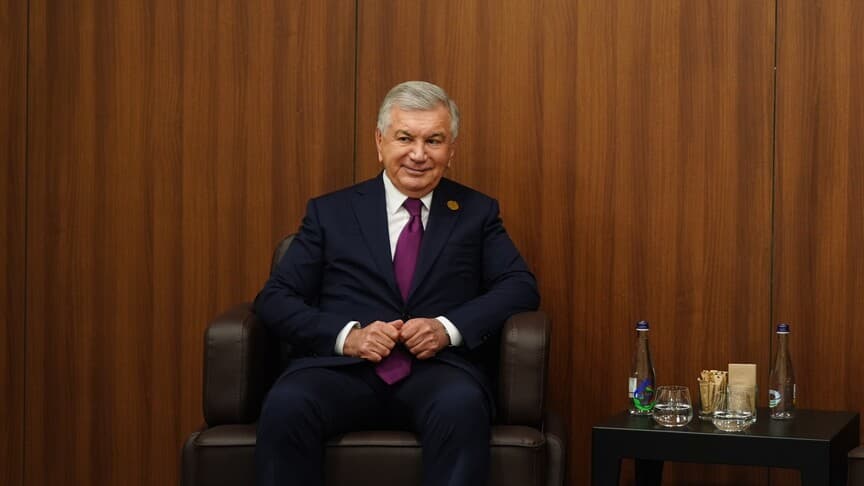
Chairman of the Cabinet of Ministers of Kyrgyzstan Adylbek Kasymaliev called for increasing international climate financing for mountainous countries and proposed establishing a Global Center for Mountain Resilience, as well as supporting the declaration of 2028–2037 as a UN Decade for Strengthening Mountain Resilience. He also mentioned the initiative of an international trust fund for Lake Issyk-Kul: President Sadyr Japarov pledged to allocate $10 million from the state budget, and Kasymaliev called on financial institutions, donor countries and the private sector to join in. Moldova's Prime Minister Vasile Tofan, for his part, said the share of renewables in his country's electricity generation had grown from about 3% to nearly 30% over six years and pledged to cut net greenhouse gas emissions by 75% by 2035.