The key facts
- The Global 'Zero Waste' Association was presented at a high-level meeting of first ladies in Antalya as part of COP31
- Five priorities: circular economy, plastic and packaging, 'zero waste' zones, food waste, education and youth
- Emine Erdogan: Turkey's recycling rate rose from 13% to more than 37% over nine years of the movement
New Association Presented in Antalya
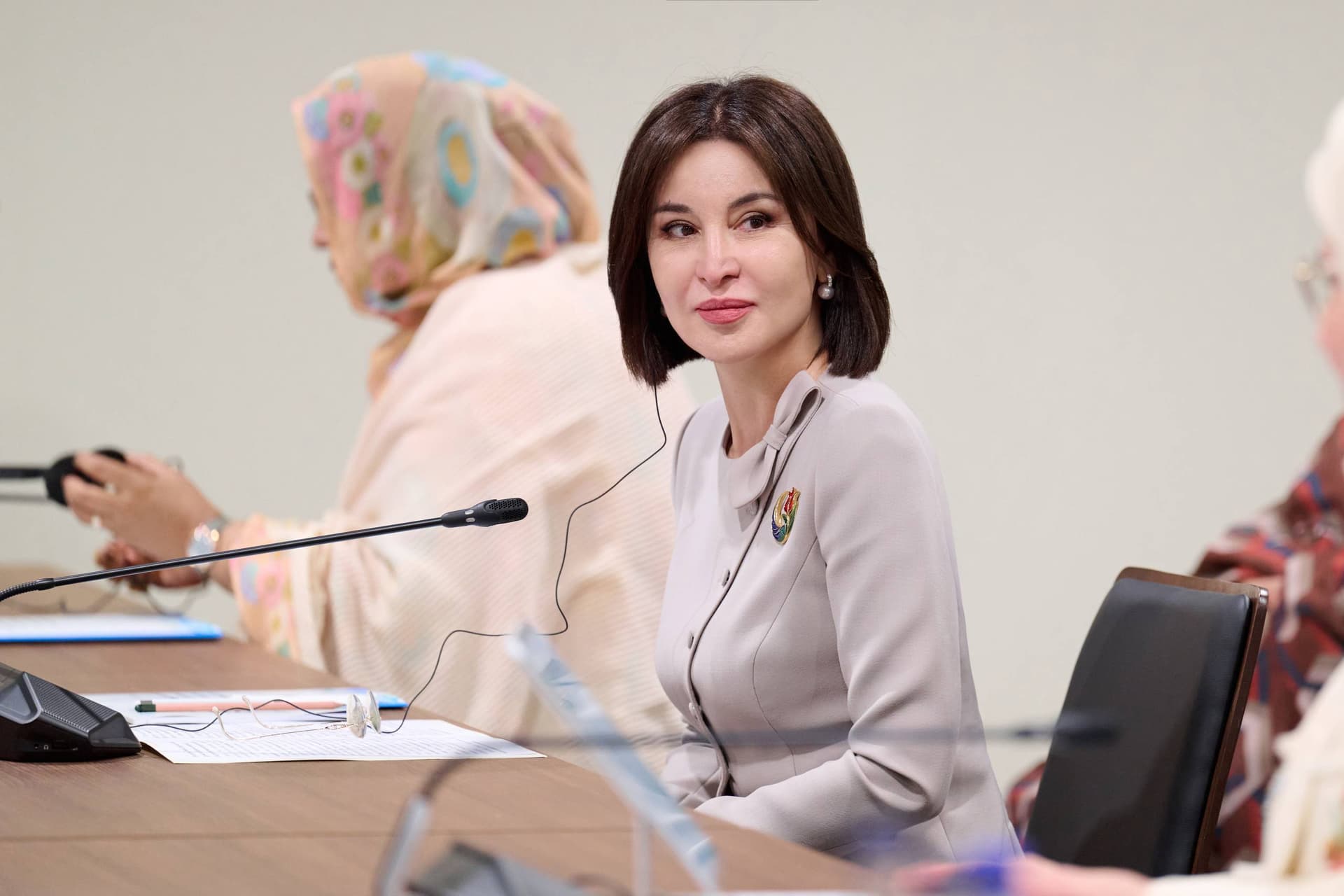
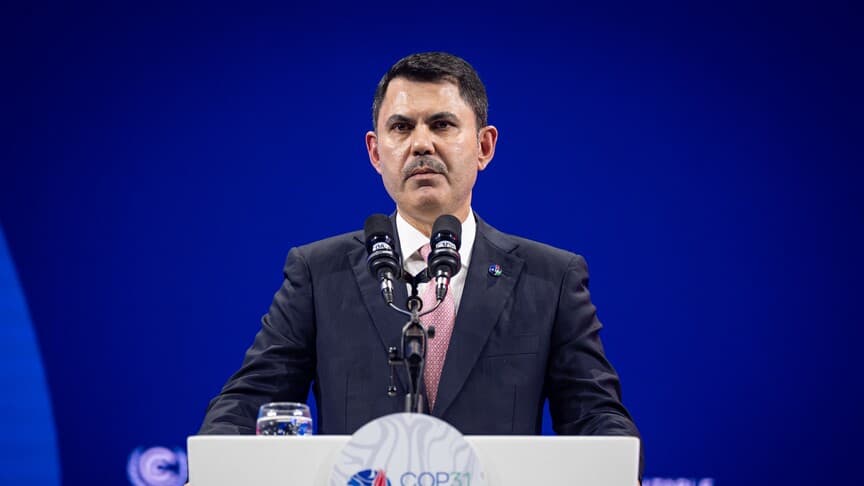
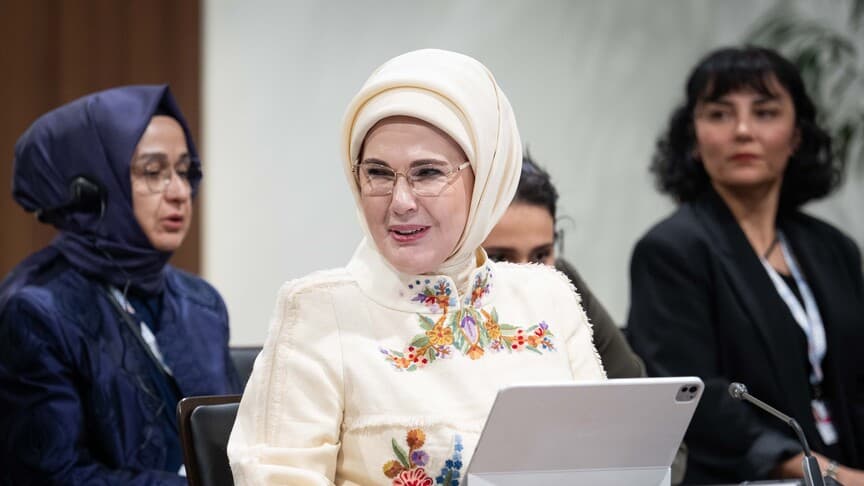
A high-level meeting of first ladies of the Global 'Zero Waste' Association was held in Antalya as part of the UN climate change conference COP31. It was hosted by Emine Erdogan — the wife of the President of Turkey and chair of the UN Secretary-General's Advisory Board of Eminent Persons on Zero Waste. According to her, COP31 brought together more than 100,000 participants from 195 countries, including more than a hundred world leaders.
Priorities and Structure of the Initiative
According to Erdogan, the association is meant to turn shared responsibility into sustainable cooperation: countries will be able to adopt successful practices, develop joint projects and scale up local solutions. Five priority areas have been defined: 'zero waste' and the circular economy; plastic and packaging waste; 'zero waste' zones; food and organic waste; education and youth. The initiative will operate through three structures: an annual Zero Waste Forum to discuss priorities, the Istanbul Platform for turning proposals into concrete projects, and the association itself for expanding its geographic reach and new partnerships between countries. International organizations, local authorities, academia, business and civil society are invited to take part; Erdogan asked the first ladies to become active participants in the initiative.
Turkey's Experience and a Call to Companies
Emine Erdogan presented the results of nine years of the Zero Waste movement in Turkey: the recycling rate rose from 13% to more than 37%, and awareness, in her words, has become part of everyday life. She named the main problem not a lack of knowledge but the determination to apply it in practice — hence Turkey's decision to call COP31 a 'conference of action'. She also called for measuring success not only by recycling but also by preventing waste generation, and proposed developing common standards for transparency in resource consumption by large companies and independent assessment of their environmental impact: 'the responsibility of companies operating globally should also be global'.
Data Cited and Context
Her speech included figures for individual sectors: according to Erdogan, citing the WHO, the tobacco industry causes the loss of 600 million trees every year and consumes 22 billion tonnes of water; fashion and the textile industry generate 92 million tonnes of waste per year. She also touched on the topic of wars, referring to the conflicts in Ukraine and Sudan, and cited UNEP data on Gaza: 61 million tonnes of debris, 97% of orchards and olive groves destroyed, and most of the remaining freshwater resources polluted. Against the backdrop of a historic peak in global military spending of $2.9 trillion, she suggested reflecting on what could be done by directing even a small portion of those funds toward humanity's shared problems.