The key facts
- The security cabinet will meet for the first time since October 5
- Eisenkot demanded that Netanyahu refrain from military operations until a government is formed
- The opposition fears a strike on Iran to introduce a state of emergency and a unity government
Meeting follows reports of an army directive
Israel's security cabinet is expected to convene on Sunday — for the first time since October 5. This was reported on Thursday by the state broadcaster KAN, citing which the Anadolu agency writes. The meeting follows reports that emerged on Wednesday evening saying the cabinet had instructed the military to step up preparations for a possible strike on Iran and a potential military confrontation.
Conflict over the powers of the transitional government
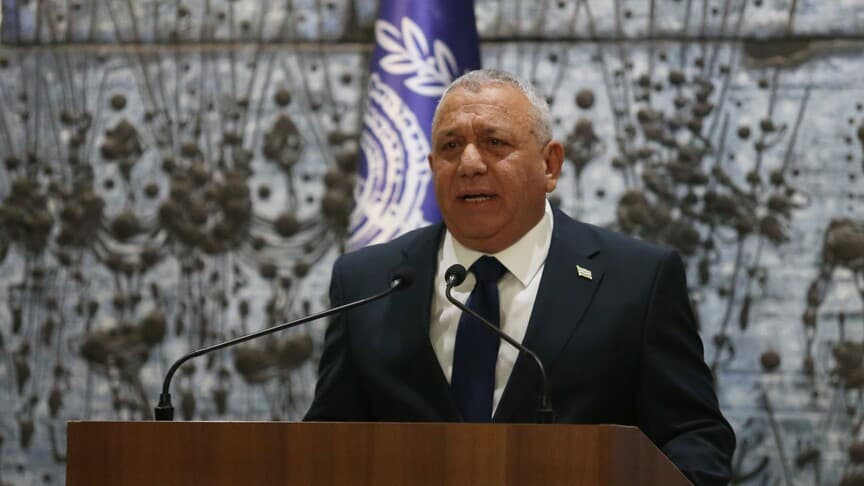
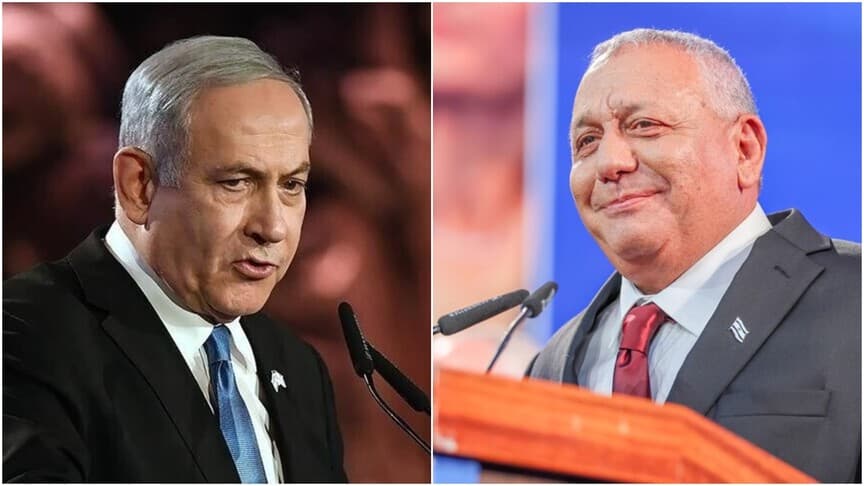
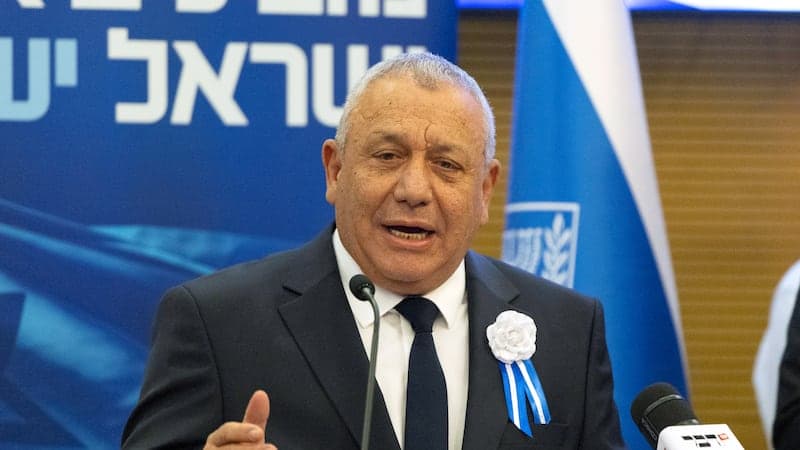
According to KAN, the directive came after Gadi Eisenkot — a lawmaker tasked with forming the next government — sent Netanyahu a letter urging him to refrain from 'unnecessary military operations' until a new cabinet is formed. 'You lead a transitional government that no longer enjoys the Knesset's confidence; as prime minister you are still backed by only 46 lawmakers,' Eisenkot wrote. Netanyahu's office called the letter 'an irresponsible step and a blatant attempt to politicize security matters.' In response, Eisenkot asked why his request for an operational briefing, as is customary, was rejected, and why the government is seeking to postpone next week's meeting of the Knesset Foreign Affairs and Defense Committee. 'I will not allow a vacuum in oversight of a government that has lost the Knesset's confidence,' he said.
Opposition concerns and the legal context
In Israeli opposition circles there are fears that Netanyahu may strike Iran in order to put the country into a state of emergency and open the way to a unity government including himself and Eisenkot; Eisenkot himself opposes such a scheme. These concerns were reinforced by Netanyahu's remarks to journalists in the Knesset on Wednesday that 'forming a unity government is possible, because the people know how to unite in difficult times.' Anadolu notes that Israeli law imposes no specific restrictions on the military actions of a transitional government, but any such step requires the approval of the security cabinet, which Netanyahu heads and which includes ministers from his government. Since June 2025, Israel has waged two wars against Iran, which responded with ballistic missile and drone attacks.