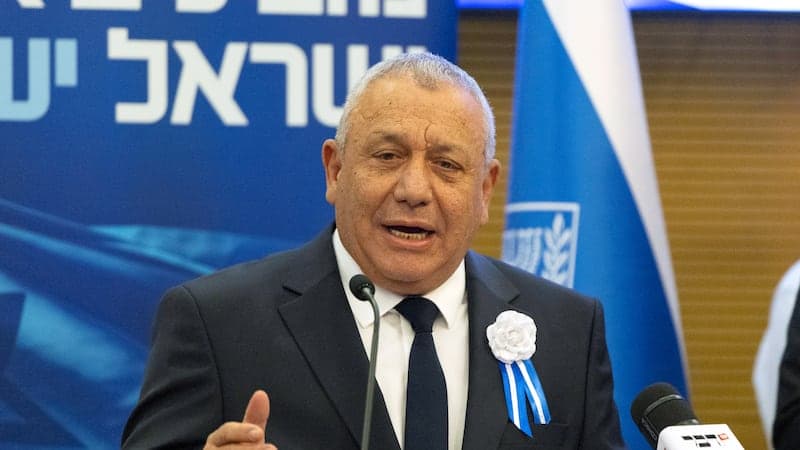
The key facts
- Gadi Eisenkot urged against taking 'dangerous steps' that could wait for a new government
- President Isaac Herzog gave Eisenkot 28 days to form a coalition, with the possibility of an extension to 42 days
- Netanyahu called the public discussion of security matters irresponsible
Statement amid coalition negotiations
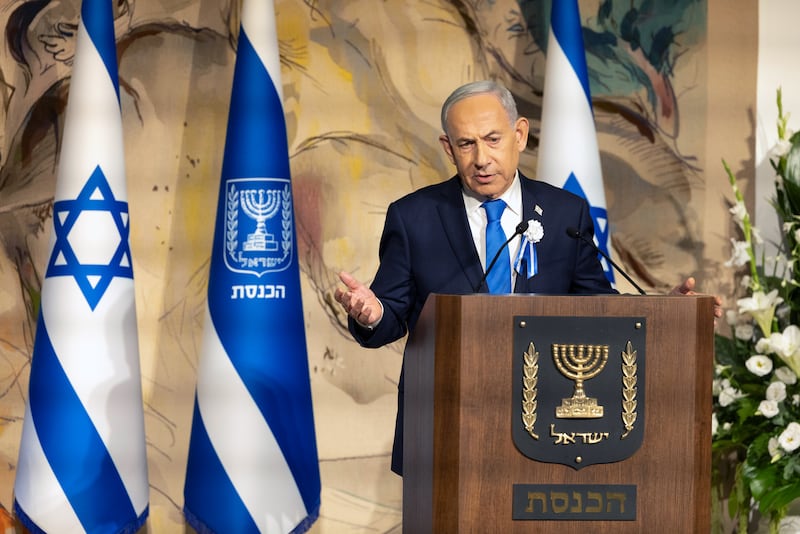
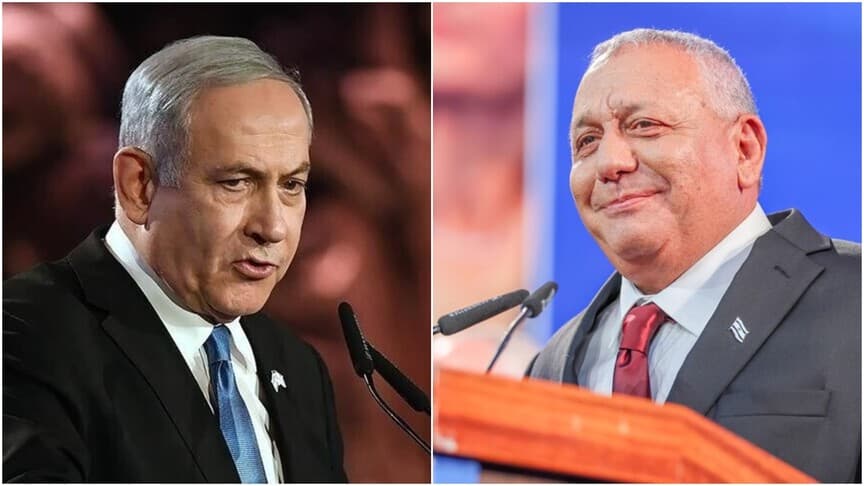
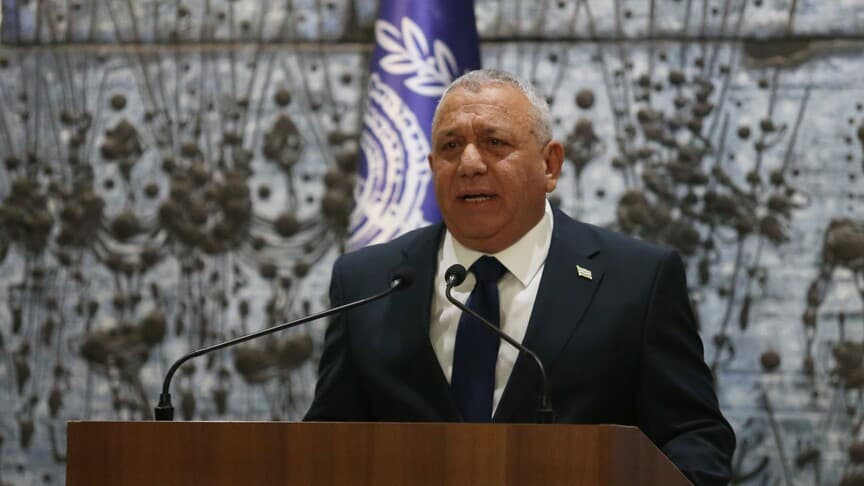
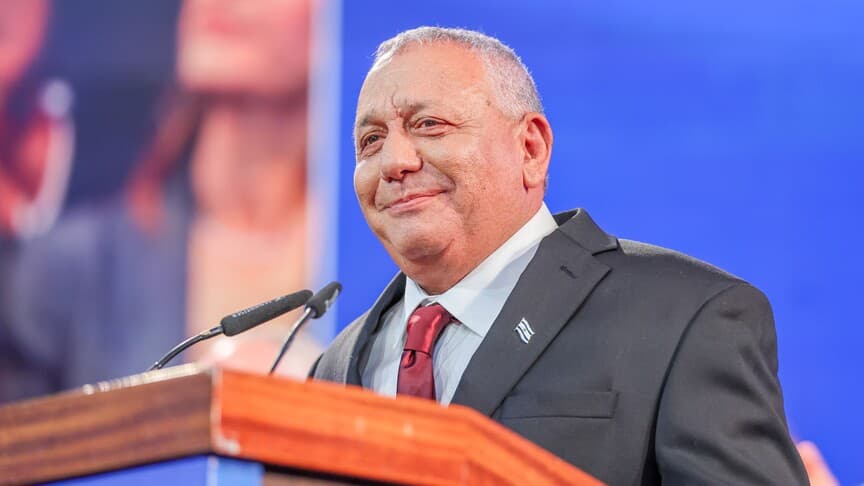
Gadi Eisenkot, a former chief of staff of the Israeli army and a possible candidate for prime minister, said that Israel should not return to war in the coming weeks unless the country faces an 'immediate threat.' According to him, the incumbent prime minister Benjamin Netanyahu should avoid 'dangerous steps that can wait until a new government is formed.' The statement came amid difficult coalition negotiations after the October elections, in which neither Netanyahu's right-wing bloc nor Eisenkot's opposition won a majority.
Warning of a 'constitutional confrontation'
Eisenkot warned of a 'constitutional confrontation' if Netanyahu orders the troops into combat — a step that many could see as an attempt to cling to power. Addressing Netanyahu, he said: 'Deploying the security forces without a direct and immediate threat that brooks no delay could have devastating consequences for Israeli democracy and for citizens' trust in state institutions.' Eisenkot also mentioned 'deeply troubling reports' that 'extraneous considerations' are interfering in the country's security policy, and said he had requested operational briefings 'as is customary' but was refused: 'I will not allow a deviation from security considerations even by a millimeter.'
Netanyahu's response
Netanyahu responded that it is irresponsible to publicly discuss sensitive security matters. His office, according to Israeli media, stated that the prime minister's decisions were made 'exclusively on security grounds and in full coordination with the security establishment.'
Context: an election without a winner and the Iranian factor
Netanyahu remains at the head of the government after the inconclusive October elections. On Sunday, President Isaac Herzog gave Eisenkot 28 days to attempt to form a governing coalition, with the possibility of extending the deadline to 42 days. If he fails, Netanyahu may get the chance. According to reports, he is interested in resuming strikes on Iran — an option that, it is assumed, could allow him to form a national unity government and stay in power; this comes as US President Donald Trump considers resuming strikes on Iran.
The coalition math
On Tuesday, Israel's new parliament convened for the first time. Eisenkot and other opposition leaders announced the first agreement on the distribution of posts in the Knesset, but a full coalition agreement will likely be harder: Eisenkot's camp holds 48 of 120 seats, and to reach a majority he would need either the support of the Arab parties, which would be a contentious step within Israel, or defections of lawmakers from Netanyahu's camp. Few expect major changes in foreign policy under any new leader: most candidates take a hard line on Iran and reject Palestinian statehood. At the same time, Eisenkot advocates restoring Israel's standing in the world and investigating the security failures that occurred under Netanyahu. Since election day, Netanyahu has repeatedly claimed that the vote was 'stolen' by Israeli Arabs; Israeli officials said that the alleged violations under investigation would in any case not have been sufficient to change the result.