The key facts
- Carney will discuss potential Chinese automotive investments with Xi Jinping on the sidelines of the APEC summit in Shenzhen.
- He rejected 'kit plants'—assembly of Chinese electric vehicles from imported components—and stated Canadian assemblers are the most productive in North America.
- Trump previously threatened 100% tariffs on Canadian goods if Ottawa strikes a trade deal with China.
Conditions for Chinese Investments
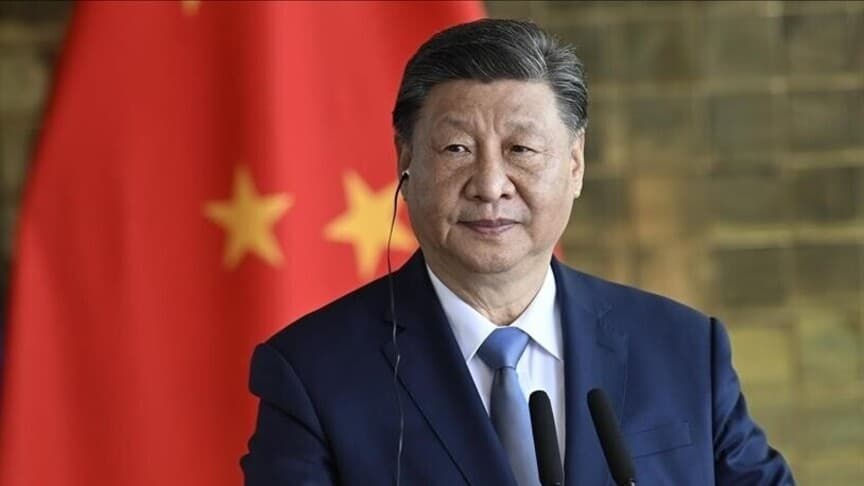
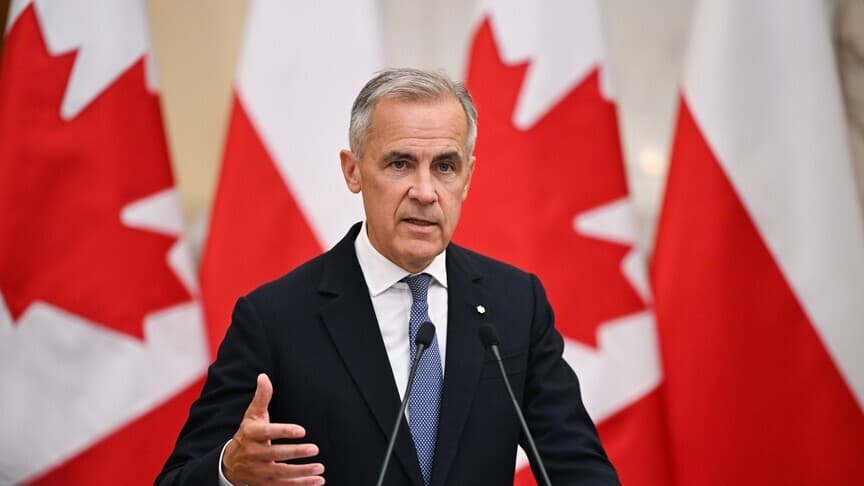
Canadian Prime Minister Mark Carney stated that potential Chinese investments in the country's automotive sector will depend on several factors and will be one of the topics of his upcoming meeting with Chinese President Xi Jinping. 'The existence and scale of Chinese investments depend on many factors and will be a topic of discussion with President Xi. Of course, our ongoing negotiations with the United States are also important,' he told journalists upon arriving at the European Political Community summit in Dublin. A meeting with Xi is expected on the sidelines of the APEC summit in Shenzhen next week.
Opposition to 'Screwdriver' Assembly Plants
Carney rejected the idea of attracting so-called 'kit plants'—enterprises that merely assemble Chinese electric vehicles from imported components. According to him, Canadian auto assemblers are 'the most productive' in North America, and the country needs full-scale manufacturing operations. He also forecasted closer industrial cooperation with European automakers alongside Canada's existing partners from North America, South Korea, and Japan.
Context of Trade Tensions with the US
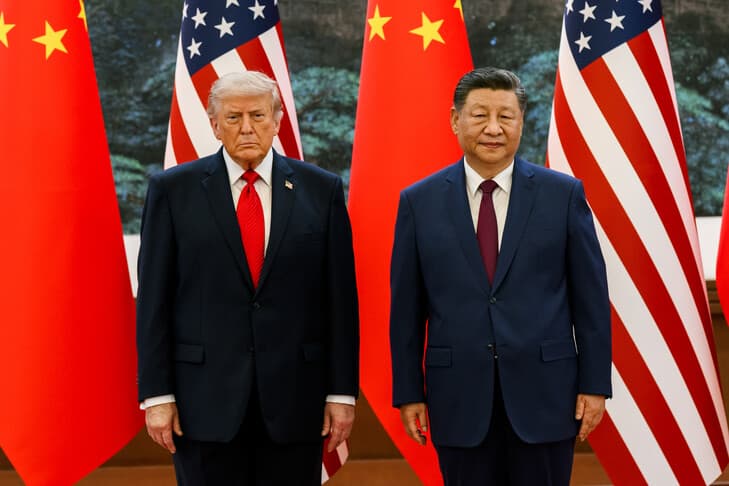
The statements came against the backdrop of trade tensions with Washington. Following Carney's visit to Beijing in January to develop economic cooperation, US President Donald Trump threatened to immediately impose a 100% tariff on all Canadian goods if Ottawa concludes a trade deal with China. On his Truth Social platform, Trump accused Carney of seeking to turn Canada into a 'transshipment port' for Chinese exports.
Path Towards Closer Ties with Europe
Carney described his participation in the Dublin summit as part of the process of bringing Canada closer to Europe, which, he said, will create economic opportunities, reduce bureaucracy, enhance competition, and strengthen national security. At the previous summit in Montreal, Canada and the EU launched the 'Alliance for the Future,' expanding cooperation in trade, technology, energy, and security. The parties also agreed to define the format of 'increasingly closer association' by the next summit in 2027, stopping short of full EU membership: Canada and several European leaders cite the goal of achieving the status of the bloc's first 'associated member,' although the conditions for this status remain undefined.