The key facts
- Chinese Foreign Ministry spokesperson Mao Ning stated that China's scientific progress relies on independent innovation and open cooperation
- WSJ reported that Nvidia's board of directors was preparing to discuss removing Jensen Huang; NYT wrote about his relationship with company vice president Kimberly Powell
- A meeting between the leaders of China and the US is scheduled in Shenzhen on the sidelines of the APEC summit
Beijing's reaction
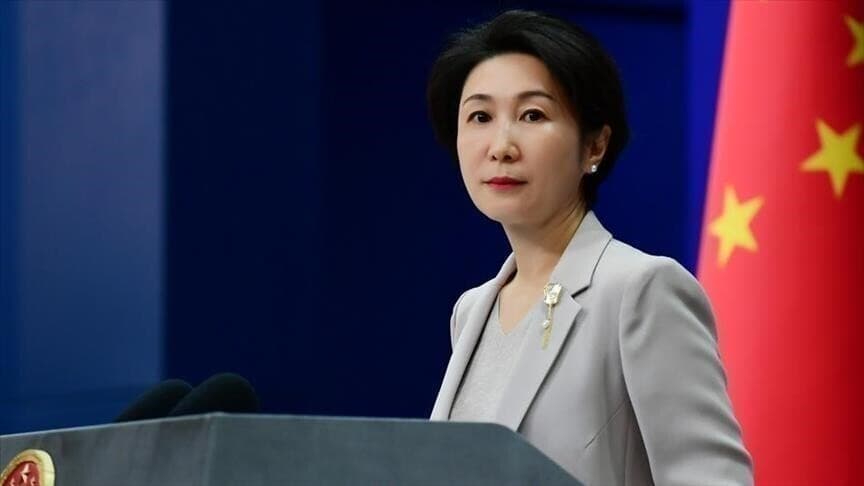
China rejected what it calls the US 'Chinese spy narrative,' stating that the country's technological progress is based on independent innovation and international cooperation, not on espionage. This was stated at a regular briefing in Beijing by Chinese Foreign Ministry spokesperson Mao Ning, Anadolu reports. 'The US should stop fabricating the so-called Chinese spy narrative as a pretext for imposing technological restrictions,' the agency quoted her as saying.
What is known about the situation surrounding Huang
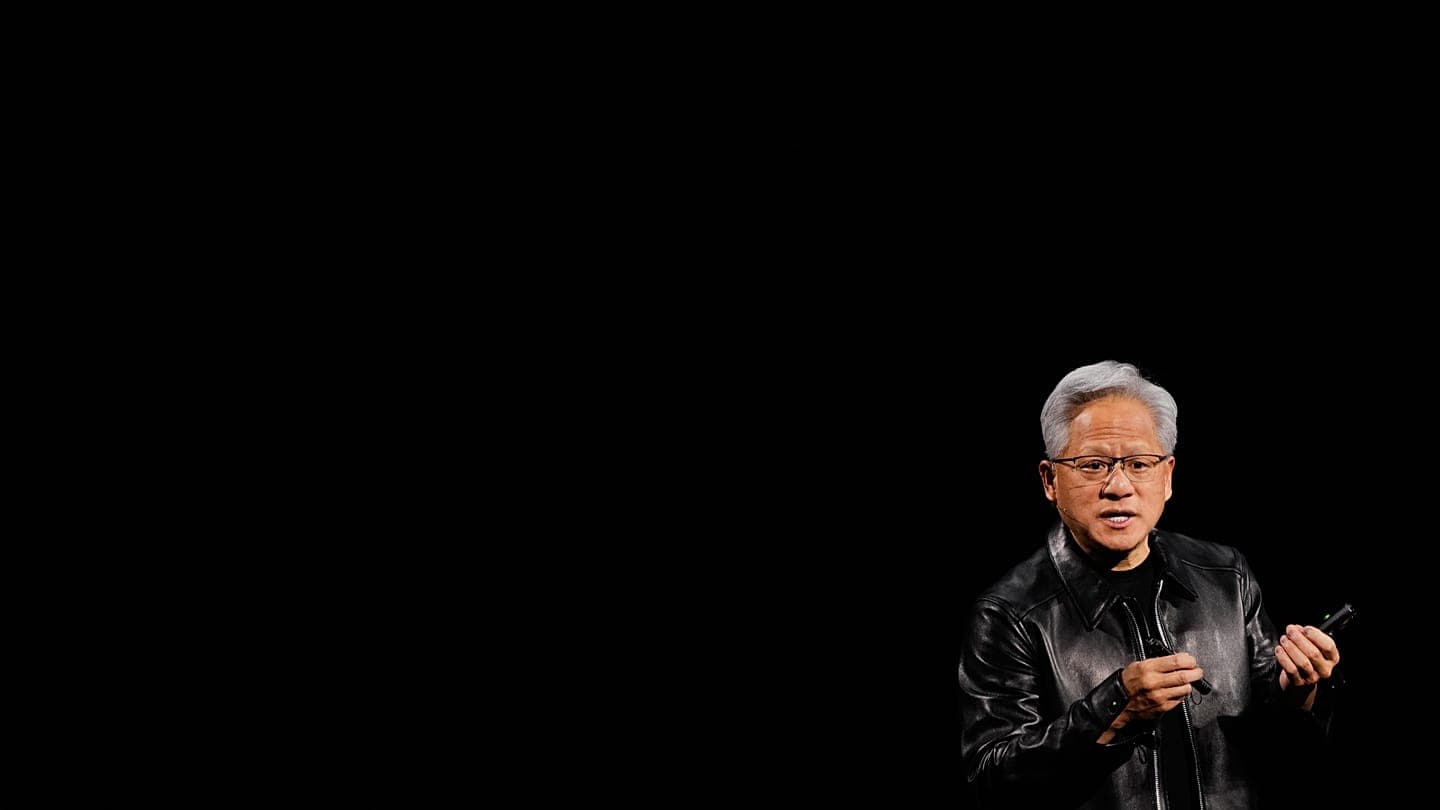
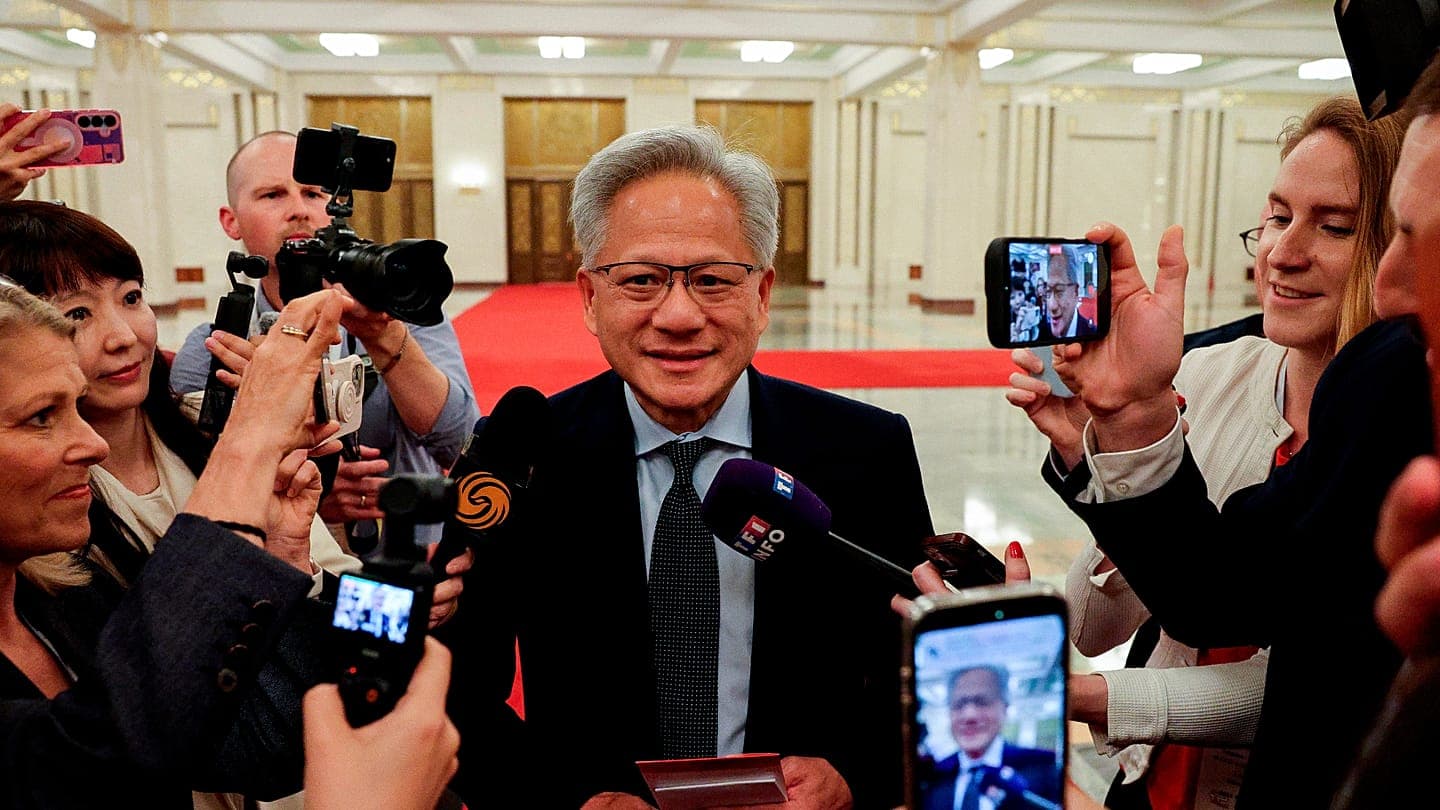
The comments were prompted by publications in American media. According to The Wall Street Journal, Nvidia's board of directors was preparing to remove the company's chief executive Jensen Huang amid reports of two extramarital affairs; the meeting, the newspaper wrote, could have taken place as early as Wednesday US time. The New York Times separately reported on Huang's relationship with Kimberly Powell, Nvidia's vice president for healthcare. One of the episodes, according to reports, involves Alisa Huang, a woman suspected of ties to Chinese intelligence. Huang himself previously admitted to infidelity to his wife, and the board, according to published reports, is investigating whether he became the target of a foreign intelligence operation.
Leaders' meeting and export restrictions
When asked whether Beijing is concerned that the situation could affect the expected meeting between the leaders of China and the US next week, Mao Ning replied that her position on the 'spy narrative' had already been stated, adding, as quoted by Global Times, that the two sides maintain close communication and are ready to implement the consensus reached by the presidents of the two countries. Chinese leader Xi Jinping is to host Donald Trump in Shenzhen, where the annual APEC summit is being held. Separately, when asked about American restrictions on exports of advanced semiconductors to China, the Foreign Ministry spokesperson accused Washington of excessively expanding the concept of national security and criticized discriminatory restrictions against Chinese companies.
Context and what remains unclear
The publications about Huang's possible resignation and Beijing's statements appeared almost simultaneously, but no source asserts a direct link between the Nvidia board's decision and the position of the Chinese foreign ministry — Beijing commented specifically on the 'spy narrative,' not on corporate events. Huang's fate remained uncertain at the time of publication: the board meeting was only expected, and the findings of the investigation into a possible foreign intelligence operation had not been made public.