The key facts
- Mirziyoyev proposed at COP31 a model of Central Asian climate integration: information, technology, financing
- Uzbekistan met the target of reducing emissions per unit of GDP by 35% ahead of schedule and set a 50% target for 2035
- Turkmenistan proposed a climate resilience decade for 2028–2037 and a climate technology center in Ashgabat
Uzbekistan's initiative at the climate conference
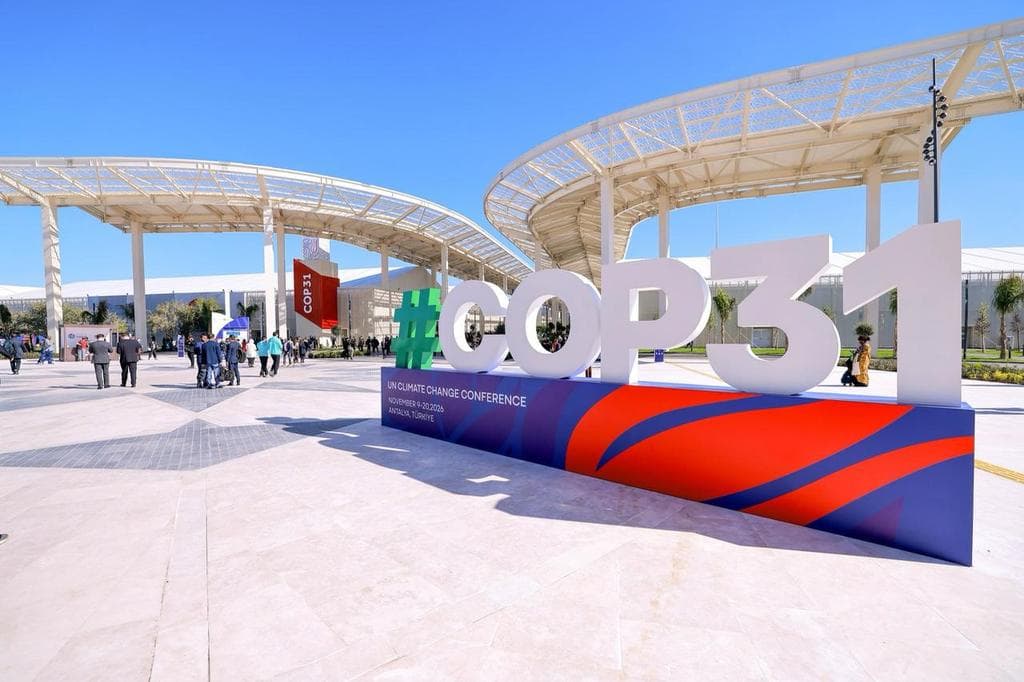
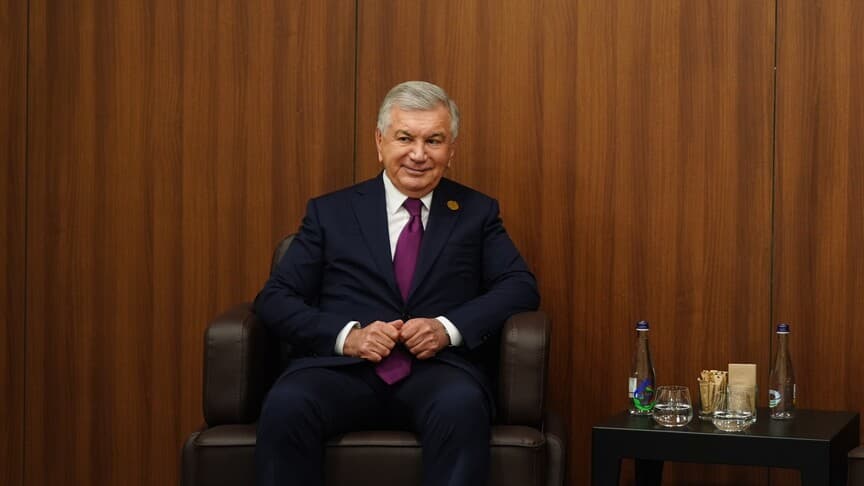
President of Uzbekistan Shavkat Mirziyoyev spoke at the high-level segment for heads of state and government of the 31st UN Climate Change Conference (COP31), which is taking place in the Turkish province of Antalya until November 20. He proposed a model of Central Asian climate integration to jointly address common problems: melting glaciers, water scarcity, and extreme droughts.
Three pillars of the proposed model
The proposed framework rests on three directions. The first is information exchange: creating regional climate risk infrastructure and an early warning system with support from the World Meteorological Organization, as well as common indicators and mechanisms for monitoring gradual climate change. The second is technology: green solutions for restoring degraded land, carbon capture in arid regions, and combating dust and sand storms. The third is financing: sustainable mechanisms to be developed with development banks, including concessional grants and innovative instruments adapted to the region's needs. 'Central Asia needs reliable and sustainable sources of financing that reflect the specific conditions and needs of the region,' Mirziyoyev said.
Uzbekistan's figures and Turkmenistan's regional initiatives
Mirziyoyev said that Uzbekistan had achieved the target of reducing greenhouse gas emissions per unit of GDP by 35% ahead of schedule and set a new target — a 50% reduction by 2035. According to him, renewable energy will account for 54% of the country's energy balance within four years, and water-saving technologies are already used on 60% of irrigated land. The annual Central Asia Eco Expo is planned to be transformed into a permanent investment and technology platform for regional environmental solutions. The president called on participants to turn the model into concrete cooperation, emphasizing that no country can tackle climate change alone.
Turkmenistan's proposals
Chairman of the Halk Maslahaty of Turkmenistan Gurbanguly Berdimuhamedov proposed declaring 2028–2037 a decade of climate resilience and adaptation, creating a global partnership for climate technology transfer, and developing an international environmental code under UN auspices. He also proposed establishing the Ashgabat Climate Dialogue — an international platform whose first session is scheduled for 2027 in the capital of Turkmenistan. According to him, the Regional Climate Technology Center for Central Asia will begin operating in Ashgabat in early 2027; the center was initiated by Turkmenistan with the support of the countries of the region and international partners and will cooperate with the UN. Berdimuhamedov also announced an initiative to create a regional center for combating desertification in Central Asia.
Conference context
COP31 opened on Monday and will run until November 20; Turkey is hosting a UN climate conference for the first time, and Australia chairs the negotiations. The agenda focuses on climate finance, adaptation, and the transition to clean energy. The proposals of the two countries of the region — the Uzbek integration model and Turkmenistan's initiatives — remain, for now, statements from the conference rostrum rather than adopted decisions; their further fate depends on the course of the negotiations and the reaction of participants.