The key facts
- Algeria aims to cut emissions by 31% by 2035 with international support and by 14% unconditionally.
- The country plans to generate 15,000 MW of renewable energy and implement a national hydrogen strategy.
- Prime Minister Seyfi Grib emphasized the need for climate finance to ensure a just transition.
Algeria sets ambitious targets for emission reductions
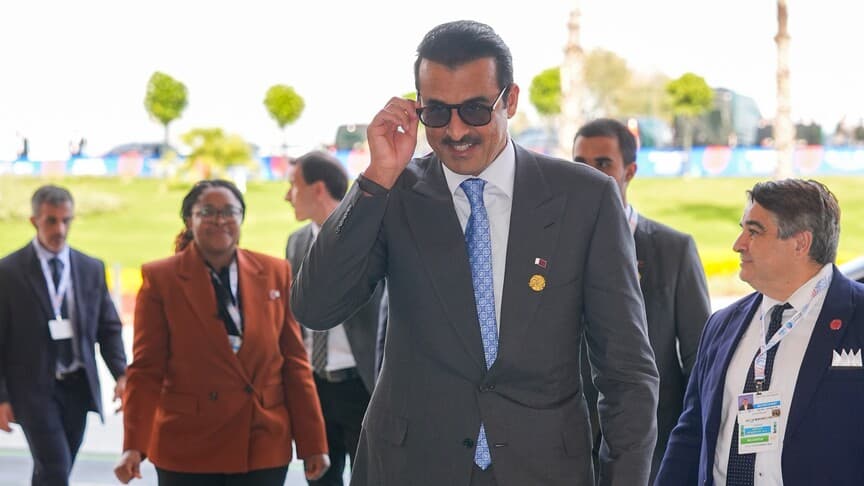
Algerian Prime Minister Seyfi Grib announced at the COP31 climate summit in Antalya that the country plans to reduce greenhouse gas emissions by 31% by 2035, contingent on receiving international support. Without external assistance, Algeria is prepared to achieve an unconditional emission reduction of 14% using its own domestic resources. These targets were stated during the Prime Minister's address, where he emphasized that climate change is already negatively impacting the country, causing desertification, droughts, and wildfires, which threaten food and water security.
Plan for transitioning to renewable energy
To achieve these goals, Algeria has begun implementing the first phase of its national program to generate 15,000 megawatts of renewable energy by 2035. The strategy also includes the introduction of a national hydrogen strategy, improved energy efficiency, and measures to reduce flaring of associated gas and methane emissions. Additionally, the government intends to strengthen water security through seawater desalination and wastewater reuse, as well as revive the 'Green Belt' project to combat desertification.
Conditions for a just transition
Seyfi Grib stressed that a just energy transition requires international climate finance, technology transfer, and capacity building, as the scale of Algeria's needs exceeds its national resources. The Prime Minister noted that there is no contradiction between development and climate action, provided the transition is smooth and gradual, supported by necessary assistance. The COP31 summit, held in Antalya from November 9 to 20, brings together global leaders to discuss emission reductions, adaptation, and climate finance.