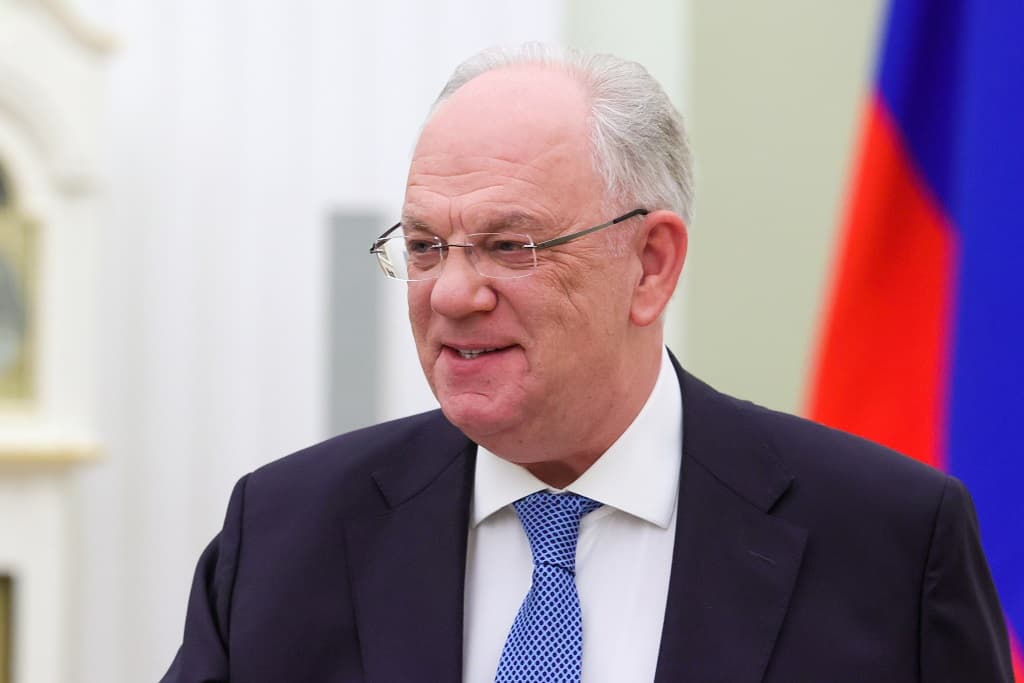
FSVTS Director Dmitry Shugaev stated that the portfolio of military orders from African and Middle Eastern countries amounts to tens of billions of dollars and is designed for more than one year. He named Algeria as an example of strategic partnership, but did not disclose amounts for individual countries and contracts.
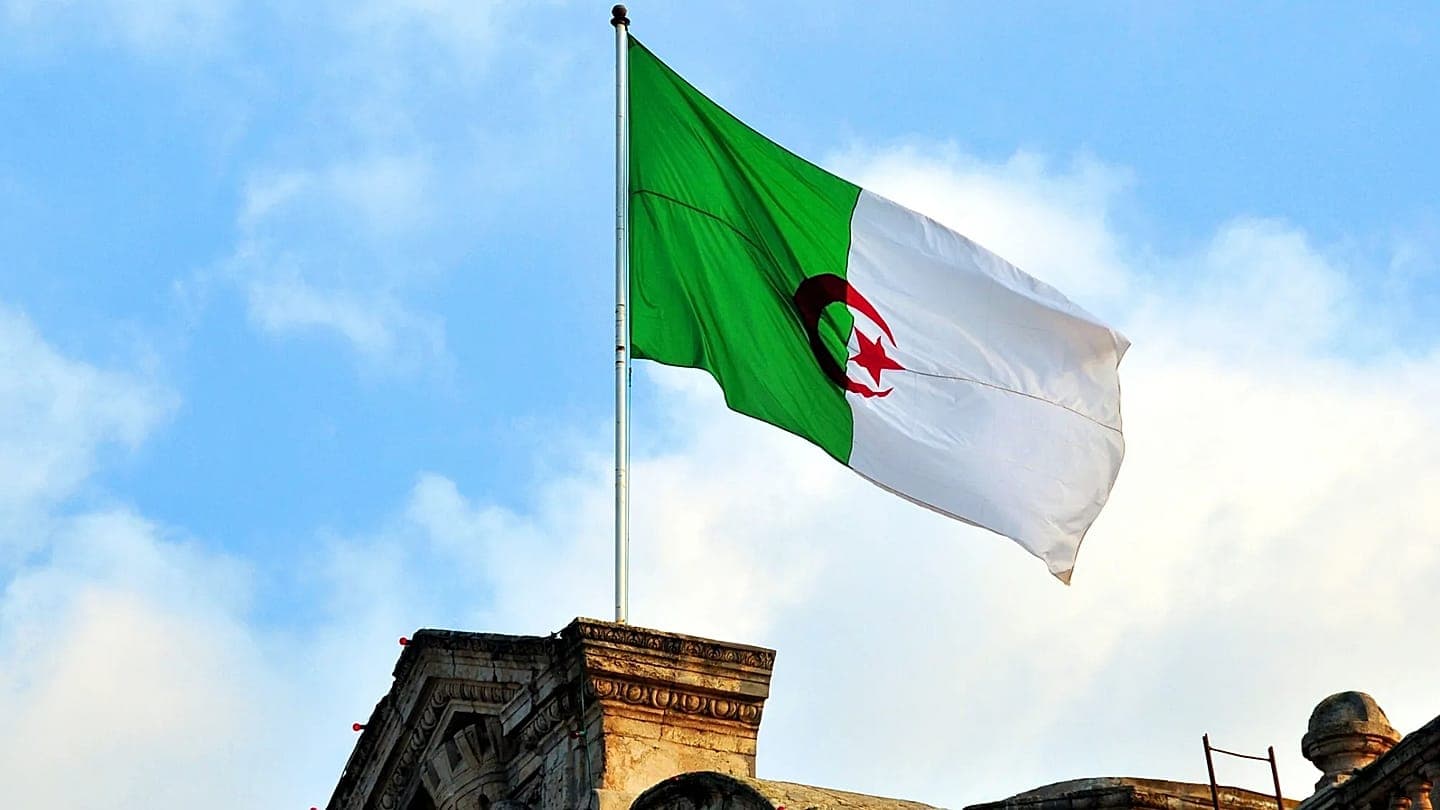
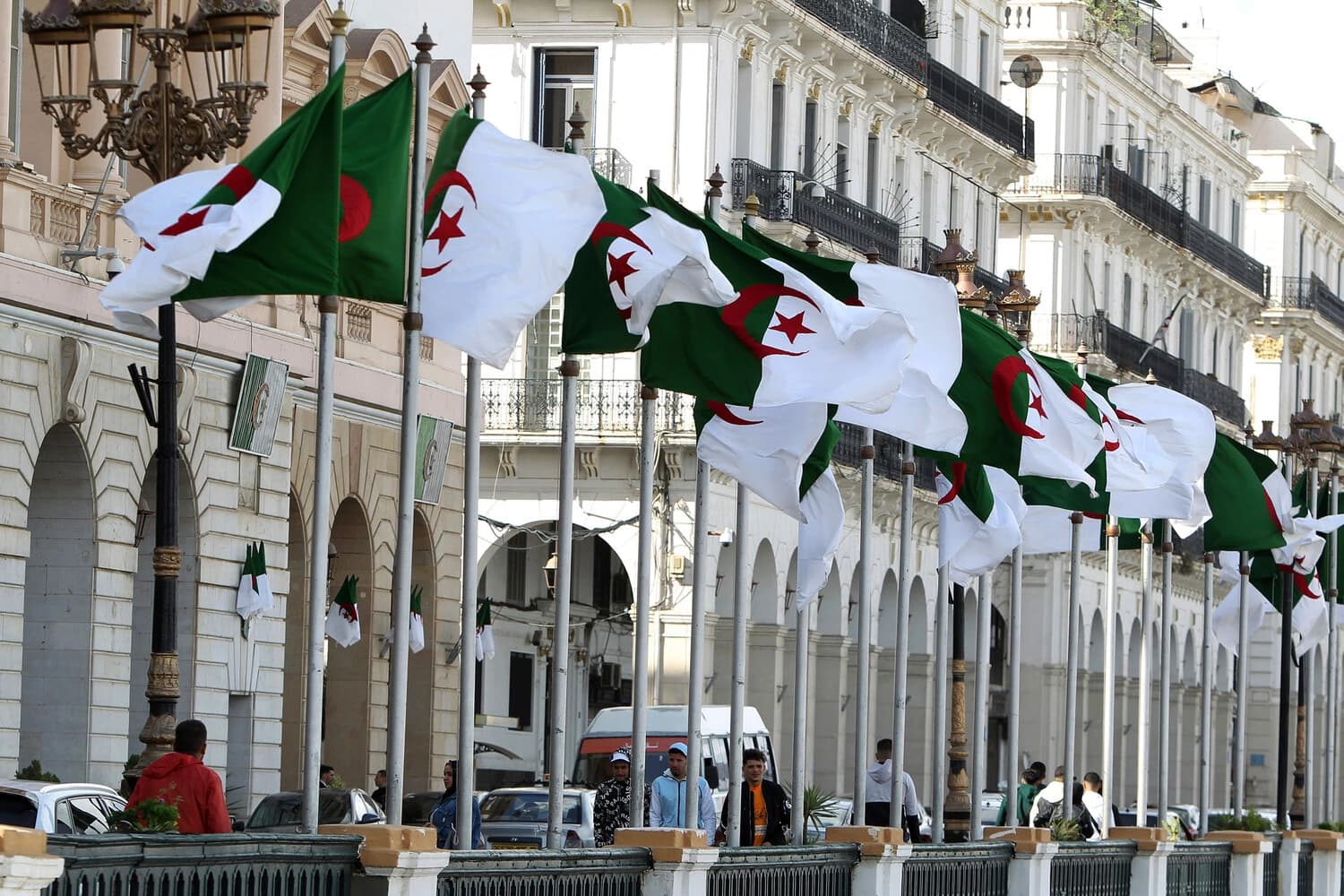
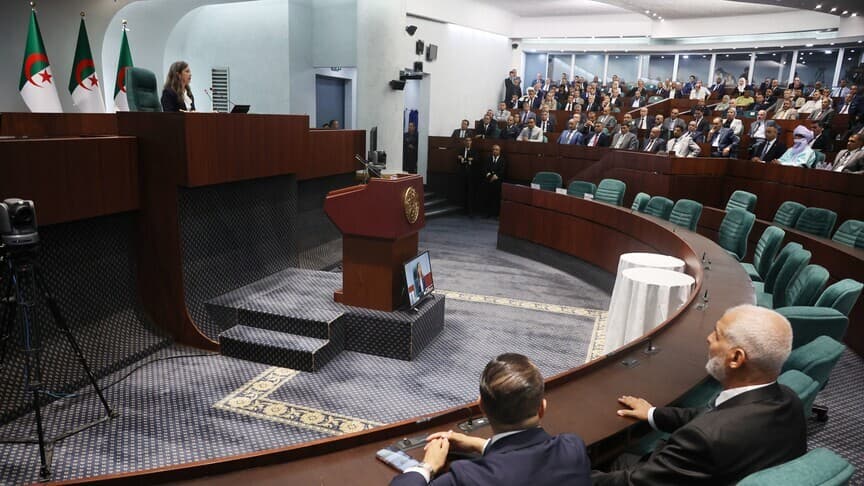
Algeria's parliament has almost unanimously backed sending troops to Niger to protect Sonatrach energy facilities. This is the country's first military deployment abroad since the 1970s. The size of the contingent and the date of the operation have not yet been announced.
Russian Ambassador to Algeria Alexey Solomatin told RIA Novosti that direct air service between the two countries may be restored at the beginning of next year. The process is linked to the opening of an Air Algerie representative office in Moscow and the completion of necessary procedures. For Algerian students in Russia, the flight time will be reduced from 10–12 to five hours.
The Council of the Nation, Algeria's upper parliamentary chamber, unanimously approved the presidential decision to deploy a People's National Army unit to Niger during a closed session. Council members stated the deployment aims to protect oil projects owned by the Algerian company Sonatrach in the neighboring country. The lower house, the People's National Assembly, is expected to convene on Sunday evening to vote on the same decision. According to Article 91 of Algeria's Constitution, the president may deploy military forces abroad only after securing a two-thirds majority approval from both parliamentary chambers. If approved, this would mark the first overseas deployment of Algerian troops since the 1973 Arab-Israeli War. For Uzbekistan, the event holds significance regarding regional security and energy cooperation, as it involves safeguarding Algerian energy infrastructure in the Sahel region through a rare constitutional process requiring broad parliamentary consensus.