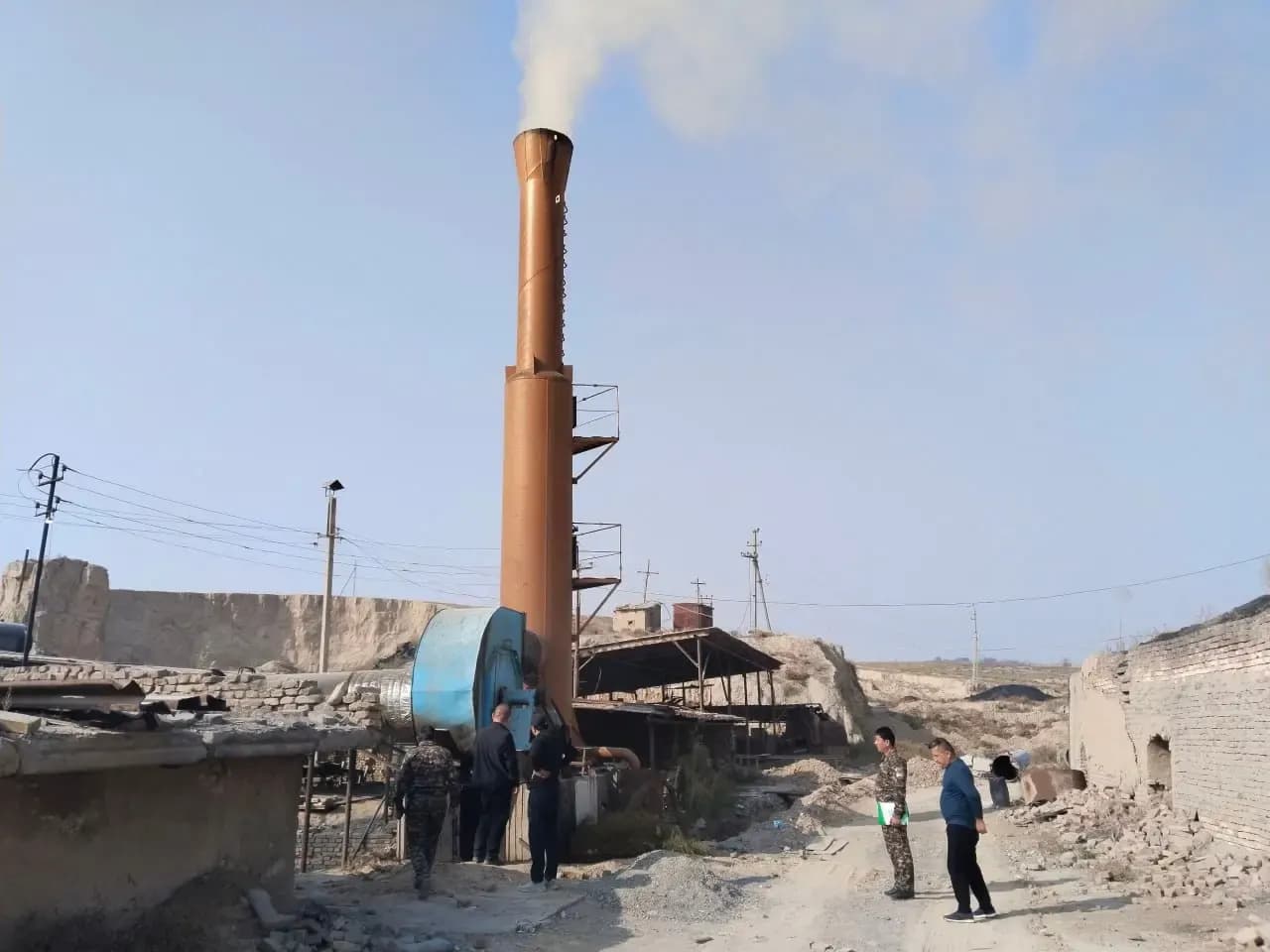
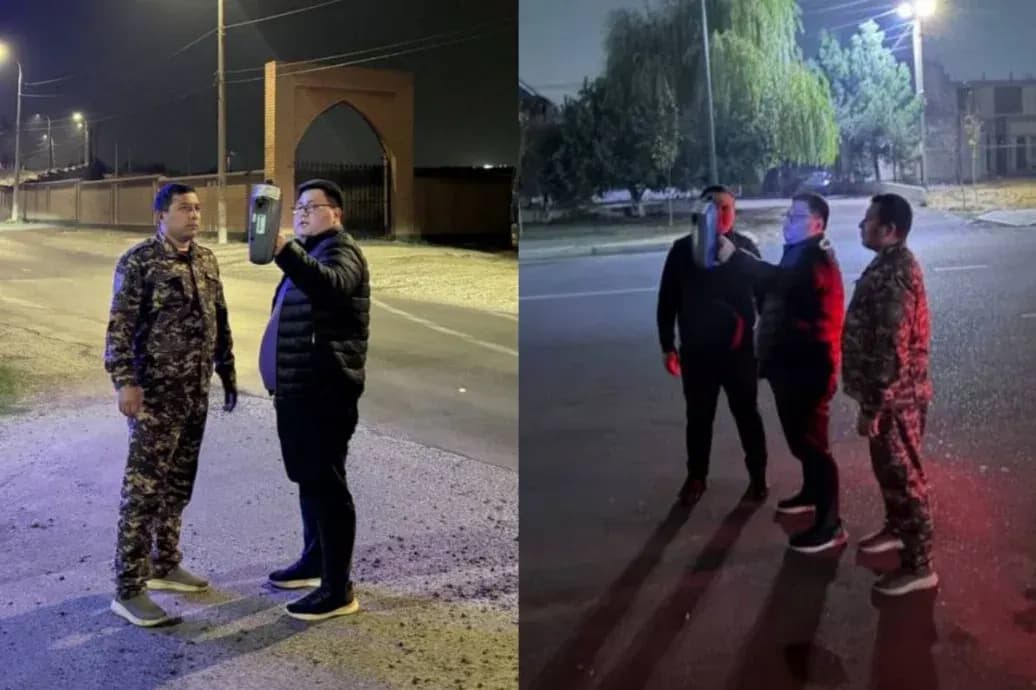
Environmental raids in Andijan and Namangan regions: after residents complained about smoke and dust, lime and brick plants were inspected, air samples were taken, two makeshift lime-burning kilns were eliminated, and the S.M. brick enterprise in Namangan region was temporarily suspended for high emissions.
As of 22:00 on October 28, the air in Tashkent was rated as “unhealthy.” The causes cited were a nighttime temperature inversion, dry air, and the absence of precipitation. Thirty construction companies have been issued warnings, and seven thermal power plants and 131 large enterprises have been ordered to cut emissions by half.
According to Citepa, greenhouse gas emissions in France fell by 4.1% in the first half of 2026 due to rising fuel prices after the war in Iran. A 2.8% reduction is expected for the year, but the goal of halving emissions by 2030 requires about 5% annually. Minister Monique Barbut called the trend encouraging but insufficient.
A special environmental regime for greenhouse farms has been proposed for Tashkent and five adjacent districts. Farms will be required to use cleaner energy sources, with emissions monitored including via drones. The measures were presented to President Shavkat Mirziyoyev. Burning tires, plastics, bitumen, fuel oil, used oils and waste is prohibited; solid-fuel greenhouses must switch to permitted energy sources by December 1. From October 15, 2026 to March 15, 2027, continuous environmental monitoring is planned, with data transmitted in real time to the National Ecology Committee. Subsidies of up to 50 million soums per hectare and preferential loans of up to 3 billion soums for seven years are proposed. A separate block concerns relocating greenhouses to Surkhandarya region, where 940 hectares have been allocated in the Surkhon-Agro free economic zone, with $100 million in investment targeted for 2027.