The key facts
- Yedioth Ahronoth described the Trump-Netanyahu call as highly contentious; Netanyahu's office called it 'fake news'
- Trump said Gulf allies oppose a new campaign and that strikes on Iran are 'highly unlikely'
- Qatar reported positive responses from Washington and Tehran to its mediation, but with no guarantee of an agreement
A quarrel on the Washington — Tel Aviv line
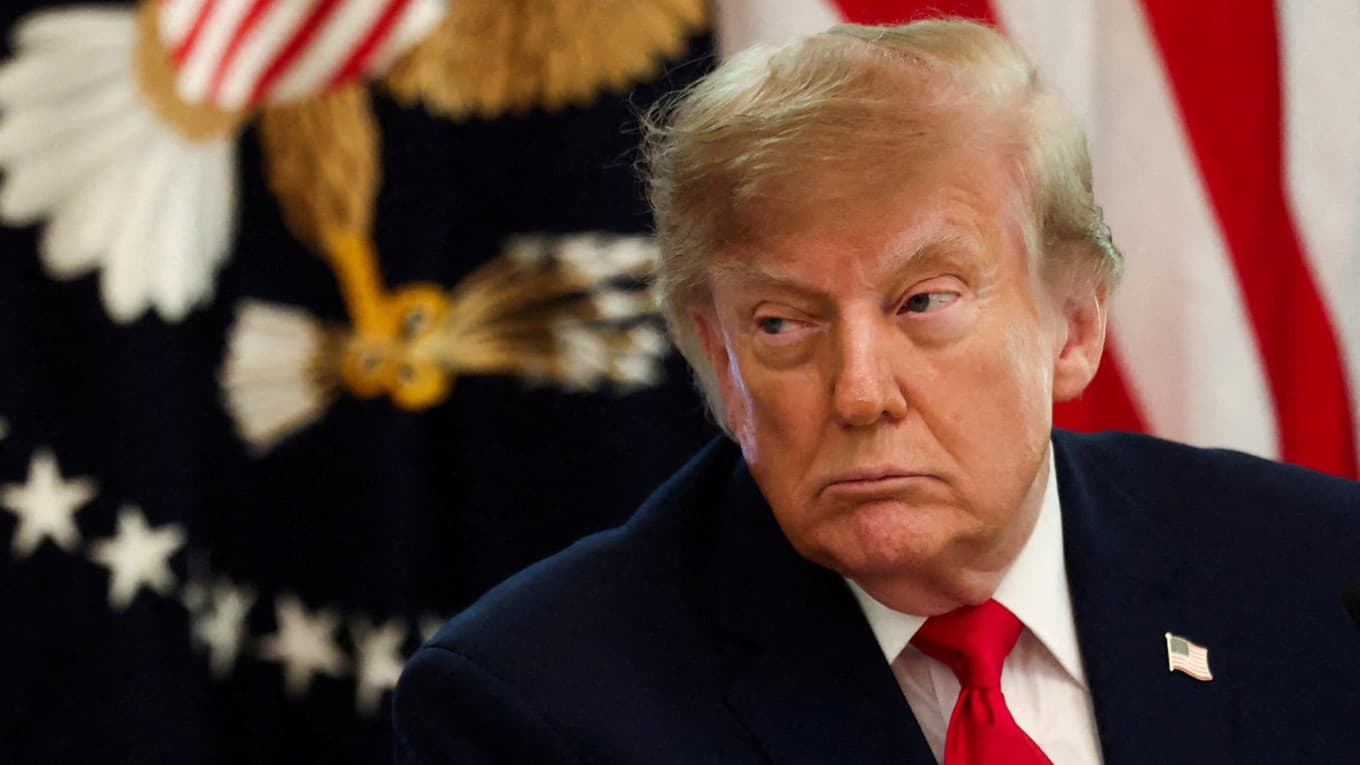
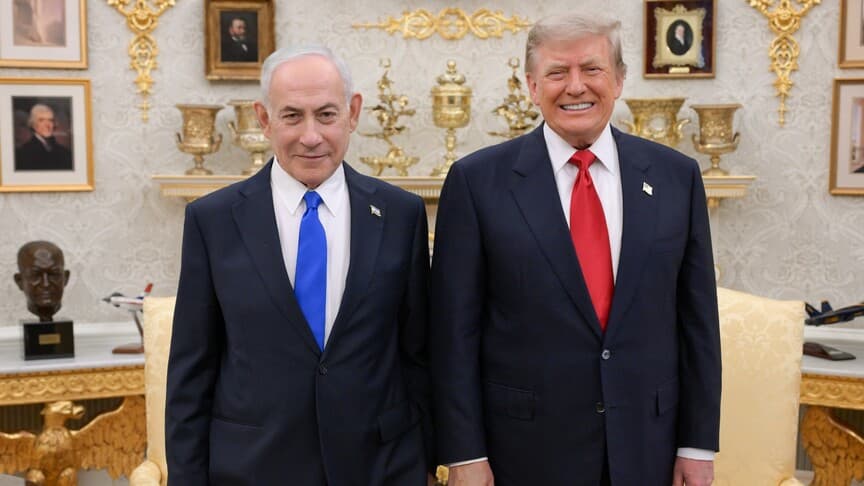
Israeli Prime Minister Benjamin Netanyahu and US President Donald Trump, according to media reports, clashed in a phone call over the weekend over disagreements about a possible resumption of military operations against Iran. The newspaper reported this on Tuesday Yedioth Ahronoth citing sources familiar with the content of the conversation: the call focused primarily on Iran and the differences between Washington and Tel Aviv over a possible resumption of the war. One source described the conversation as a 'screaming match from hell.' Netanyahu's office rejected this account, saying: 'Fake news, complete nonsense.' A certain senior Israeli official confirmed that the call took place but insisted it was not difficult.
Lobbying and Washington's position
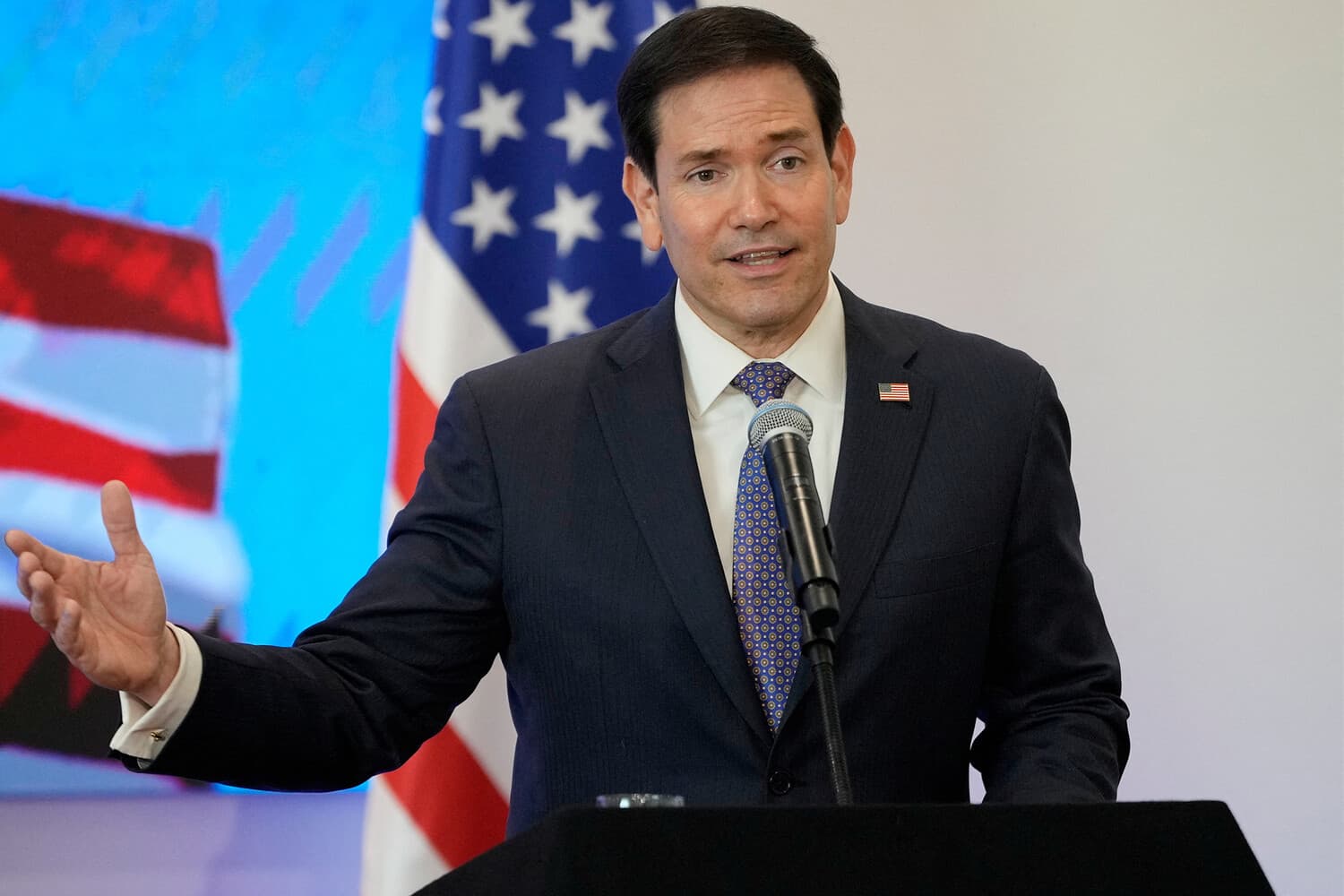
The report came a day after the Financial Times published a piece citing an informed person saying that Netanyahu calls Trump 'every day,' urging a resumption of military action against Iran. According to the British outlet, Arab and Muslim leaders are alarmed by such persistent lobbying and are urging Trump to prioritize diplomacy. On Monday Trump himself said that Gulf allies — Qatar, Saudi Arabia, the UAE, Bahrain and Kuwait — oppose a new military campaign against Tehran, cited a 'positive momentum' toward ending the conflict, and said new US strikes on Iran look 'highly unlikely.' On Tuesday Secretary of State Marco Rubio added that Washington sees no immediate need to resume major combat operations, since economic pressure is achieving its goals; he warned that American forces are ready to respond if Iran crosses US 'red lines.'
Qatar's mediation and the context of the conflict
Qatar said on Tuesday that it had received positive responses from Washington and Tehran to its mediation efforts, although, as Anadolu notes, uncertainty about the prospects for an agreement remains. The US and Israeli military offensive against Iran began on February 28; despite subsequent diplomatic efforts and a memorandum signed by Washington and Tehran, the talks have not yet led to a settlement. Thus, against the backdrop of reports of disagreements between Trump and Netanyahu, the official position of the US administration — continued economic pressure without an immediate return to combat operations — diverges from the picture of persistent pressure from the Israeli prime minister painted by Yedioth Ahronoth and the Financial Times, even as the Israeli office itself disputes the very nature of the call.