The key facts
- Marco Rubio called the situation with Iran 'not a dead end' and said the consequences of sanctions and the blockade are intensifying
- On November 10, Trump said Iran wants to make a deal and would prefer a diplomatic end to the conflict
- Rubio earlier described negotiations with Tehran as 'not very productive'
'This Is Not a Dead End': Washington's Position
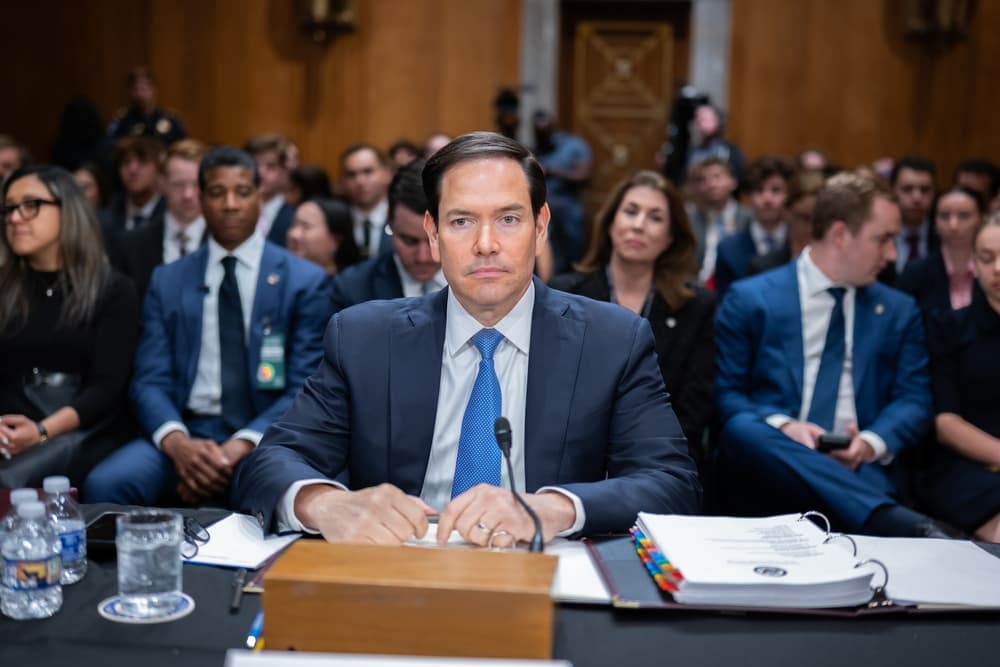
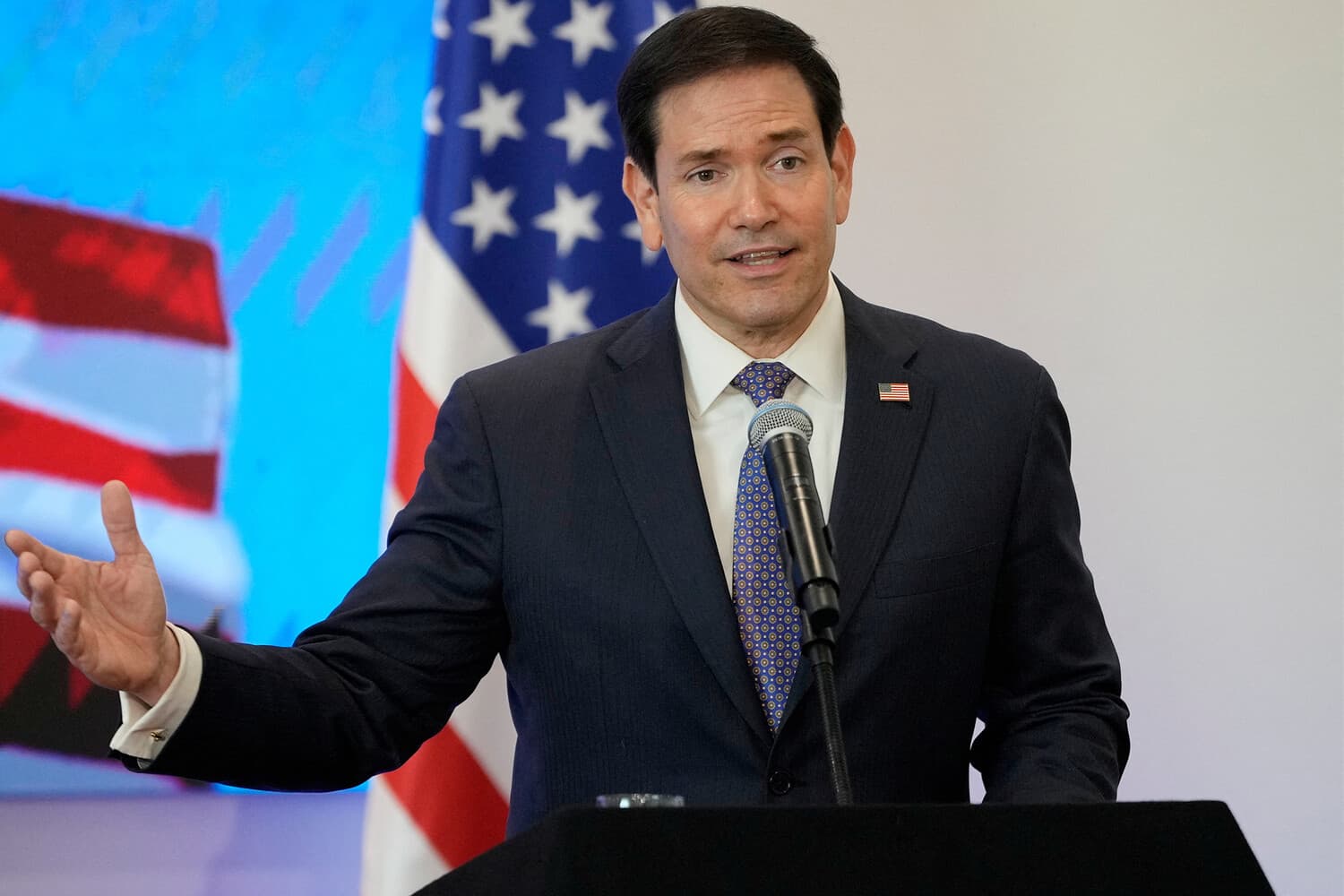
US Secretary of State Marco Rubio rejected the characterization of the standoff between Washington and Tehran as a dead end. 'This is not a dead end. You call it a dead end. I know it is not a dead end. How could it be a dead end?' he told journalists on the sidelines of the meeting of G7 foreign ministers in Paris, as reported by RIA Novosti citing his words (as reported by Gazeta.Ru).
Sanctions Pressure and Trump's Line
According to Rubio, Washington continues to exert powerful pressure on the Iranian economy through sanctions and a blockade, and their consequences, in his words, are intensifying day by day. He stated that Iran's economic situation is deteriorating and that the country is losing funds daily due to American restrictions. These assessments come from the American side; the publication contains no independent confirmation of the state of the Iranian economy.
Different Emphases Within One Administration
On November 10, US President Donald Trump said that Iran wants to strike a deal with the United States, adding that he would like the conflict to end diplomatically, but the timeline for its resolution remains unknown. Notably, Washington's public emphases diverge: while Trump speaks of a possible deal, Rubio himself previously described negotiations with Tehran as 'not very productive so far' and called the demands of the Islamic Republic 'absurd and completely unrealistic.' Against the backdrop of these statements, Gazeta.Ru recalls that Iran earlier once again threatened the United States. The publication does not report any specific terms of a possible agreement or new rounds of negotiations.