The key facts
- Al-Burhan spoke on the first day of the high-level segment of COP31 in Antalya
- He called for doubling adaptation financing and freeing decisions on funds from politics
- Sudan faces drought, floods, desertification and water scarcity amid the conflict that began in April 2023
Address at COP31 in Antalya
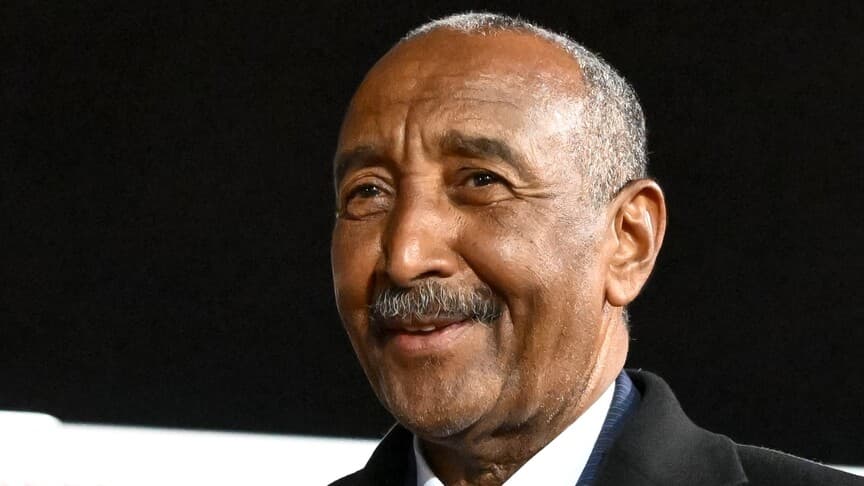
President of Sudan's Transitional Sovereignty Council Abdel Fattah al-Burhan on Wednesday spoke on the first day of the high-level segment for heads of state and government at the UN climate conference COP31 in Antalya, Turkey. The central theme of his speech was climate finance: he said that promised funds must become 'resources that developing countries can receive fairly, quickly and easily,' and that decisions on their allocation must be free from politics.
Call to double adaptation financing
Al-Burhan urged developed countries to redouble their efforts and double climate adaptation financing, and called on governments to make adaptation 'a tool for advancing development, peace, security and justice.' He also advocated continuing international cooperation on the basis of equality and the principle of common but differentiated responsibilities and respective capabilities, taking into account the circumstances and priorities of developing countries — especially the least developed and those affected by conflict.
Sudan's climate risks amid the conflict
Speaking about the situation in his own country, al-Burhan listed growing risks: drought, floods, desertification, land degradation and water scarcity. According to him, declining production of crops and livestock threatens food security and livelihoods. 'The exceptional circumstances Sudan is going through have exacerbated these problems,' he noted, pointing to consequences for infrastructure, public services and institutions, as well as for communities' ability to cope with climate risks.
Conflict context
Fighting between the Sudanese armed forces and the paramilitary group Rapid Support Forces began in April 2023. According to the UN, the conflict has displaced millions of people and severely limited access to safe water, healthcare and shelter in a number of areas of Sudan.