The key facts
- Mozambican President Daniel Chapo estimated the country's needs at $37.2 billion for the coming decade
- From 2000 to 2025, the country experienced more than 76 extreme weather events with losses exceeding $4.5 billion
- Mozambique produces only 0.14% of global greenhouse gas emissions but suffers heavily from climate change
Climate finance request
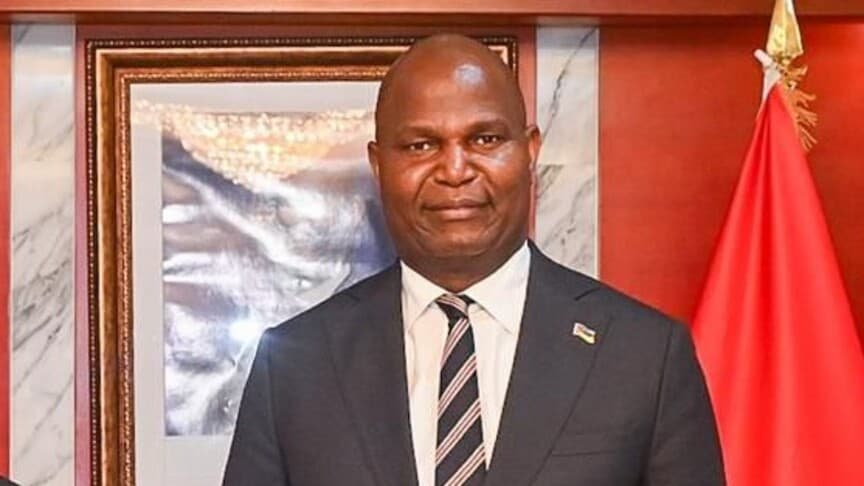
Mozambican President Daniel Chapo said at the COP31 leaders' summit in Antalya, Turkey, that the country needs about $37.2 billion over the next ten years to strengthen climate resilience and protect its population. He called on bilateral and multilateral partners for support, Anadolu reports. According to him, major economies must take the lead in reducing emissions and fulfill their climate finance commitments.
Scale of losses and the country's vulnerability
Chapo cited data showing that from 2000 to 2025 Mozambique was hit by more than 76 extreme weather events, with economic losses exceeding $4.5 billion. The southeastern African country on the Indian Ocean coast is particularly vulnerable to tropical cyclones, floods and droughts. At the same time, it accounts for only 0.14% of global greenhouse gas emissions, making it an example of the disproportionate impact of climate change.
Warnings and domestic measures
“Ten years after the adoption of the Paris Agreement, the goal of limiting warming to 1.5 degrees Celsius is under threat,” Chapo said. He warned that El Niño forecasts could worsen the risks of severe droughts, water shortages, wildfires and food insecurity. According to him, the government has made climate adaptation and disaster risk reduction strategic priorities: a national adaptation program focused on early warning systems has been adopted, and climate issues have been integrated into local planning. The country has 142 local adaptation plans and more than 1,000 disaster risk management committees in operation.
Role in the African Union
Chapo, who serves as the African Union champion for disaster risk management, called on the international community to step up assistance to African countries in disaster prevention and building climate resilience, emphasizing the need for climate justice and financing.