The key facts
- Madagascar's President at COP31 in Antalya called the shortage of climate financing a “question of survival” for the country
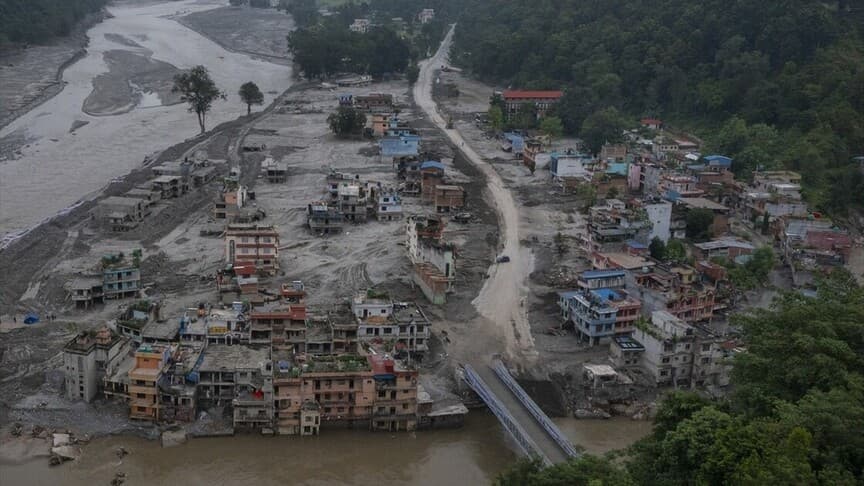
- Cyclone Gezani on February 10, 2026 destroyed three quarters of the city of Toamasina; at least 62 people died and 600,000 were affected
- The 2026 cyclone season cost the country nearly $2.5 billion; the national plan requires $13.86 billion in investments
Address at the leaders' summit in Antalya
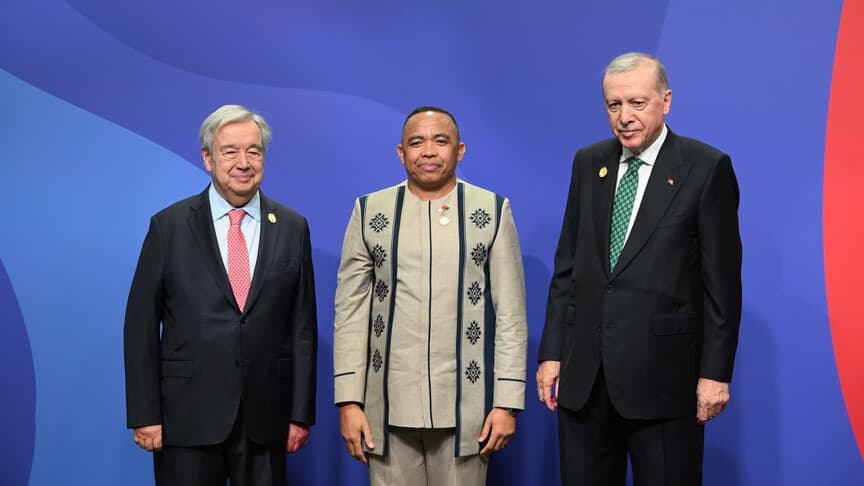
President of Madagascar Michael Randrianirina stated at the leaders' summit of the UN climate conference COP31 in Antalya, Turkey, that the shortage of climate financing for his country is a “question of survival”. “Ambitions will only deliver results if resources are actually provided. For us, the lack of funding is a question of survival,” the Anadolu agency quoted him as saying. The conference is being held in Antalya until November 20.
Devastation from Cyclone Gezani and the cost of the season
To substantiate his request for funding, Randrianirina cited data on the consequences of Cyclone Gezani, which on February 10, 2026 destroyed three quarters of Toamasina, a port city in northeastern Madagascar, with wind gusts of up to 250 km/h. According to him, 600,000 people were affected, and the 2026 cyclone season cost the country nearly $2.5 billion. According to Madagascar's disaster management agency, cited by Anadolu, Gezani was one of the most powerful cyclones to hit the country in recent years and claimed the lives of at least 62 people.
“One of the world's rare carbon-sink countries” and four demands
The president called Madagascar “one of the few carbon-sink countries in the world,” mentioning its unique biodiversity, natural forests, mangroves and coral reefs: about 90% of the species on the island, home to roughly 31 million people, are found nowhere else on Earth. At the same time, the country accounts for only 0.08% of global greenhouse gas emissions, and according to the UN, about 1.6 million people face acute food shortages this year.
National plan and demands to donors
Randrianirina said that Madagascar's newest national climate plan envisages a 34% reduction in emissions by 2035 and a 85% share of renewable energy by 2030, requiring total investments of $13.86 billion. He put forward four demands: increased adaptation financing through grants with simplified direct access; full funding of the loss and damage fund, to which Madagascar has already submitted an application; official recognition of carbon-sink countries and anticipatory action with dedicated financing; and a just transition to clean energy with investments in ocean initiatives. “Let us make climate justice a collective responsibility,” he urged.