The key facts
- The Loss and Damage Fund provisionally allocated $21.6 million to Nepal in late October following the August disaster, but actual disbursement may take months due to approval procedures.
- Nepal estimates its recovery needs at approximately $5 billion and is requesting additional resources to prepare for similar future disasters.
- Nepal and Bhutan's proposal for a dedicated 'mountain' agenda item at COP31 was not formally adopted, though the presidency pledged continued engagement.
Delays in post-disaster funding
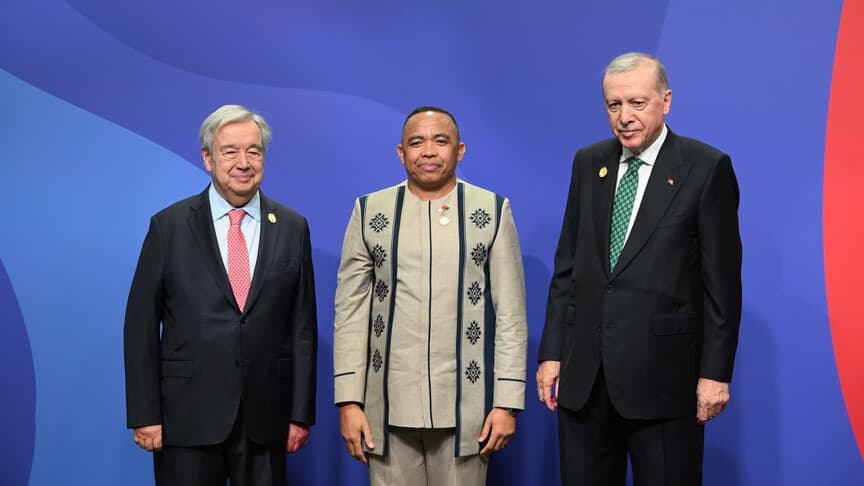
Nepal's Foreign Minister Shisir Khanal in an interview with the Turkish agency Anadolu on the sidelines of the COP31 climate summit in Antalya described delays in providing funding for addressing the consequences of climate disasters as 'unjustified'. He welcomed the provisional allocation of funds to Nepal following the devastating floods in August but warned that additional approval requirements could delay disbursement by several months, leaving affected communities waiting for aid. 'We need resources immediately after disasters to recover and assist those affected,' said the minister.
Scale of the disaster and funding needs
The Loss and Damage Fund, an international climate financing mechanism, announced in late October a provisional allocation of $21.6 million to Nepal and allowed the country to submit an application outside the standard period to accelerate the response. Khanal called this decision a historic step but noted it was made nearly two months after the disaster, and before receiving the funds, Nepal still needs to submit proposals and obtain their approval. According to him, the actual transfer of money could take months: 'And what we are talking about: this is unjustified.' He called for mechanisms that provide aid immediately after disasters, without lengthy approval procedures.
Consequences of the August landslide
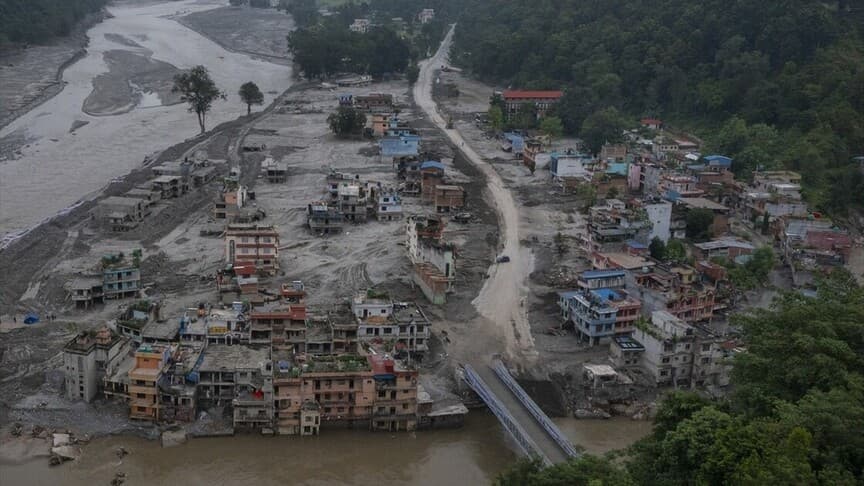
Nepal's appeal is linked to a massive rock and ice landslide in the Langtang region on August 26, which triggered a flow of water, mud, and debris through a corridor on the Nepal-China border. According to data from the national emergency agency cited in a report by the Kathmandu-based International Centre for Integrated Mountain Development (ICIMOD), at least 1,451 people died in Nepal and 5,745 remained missing; Chinese authorities reported an additional 43 deaths and 519 missing persons. Tens of thousands of people lost their homes, land, and livelihoods. According to the report, river levels downstream rose by nine meters within half an hour, leaving no time to warn the population; the report also highlights gaps in hazard monitoring, early warning systems, and cross-border information exchange, while the exact mechanisms of the landslide remain under investigation. Khanal stated that Nepal needs approximately $5 billion for recovery, as well as additional resources to prepare for similar disasters in the future.
Demand to recognize the vulnerability of mountain regions
In addition to accelerating access to financing, Nepal is seeking stronger recognition of the vulnerability of mountain regions in COP31 decisions, which are taking place in Antalya from November 9 to 20. Turkey holds the conference presidency, while Australia leads the negotiations; the focus is on turning climate commitments into action and strengthening support for developing countries. Khanal reported that Nepal and Bhutan submitted a proposal for a dedicated agenda item on mountains, but it was not formally adopted during preliminary negotiations. Nevertheless, according to him, the presidency assured Nepal that it would engage with its delegation throughout the conference. 'At this stage, we truly want mountain issues to be recognized in the decision-making process,' said the minister. Nepal is also seeking research and technical assistance to better understand warming and its consequences in mountain regions, so that communities have more time to prepare for future disasters.