The key facts
- Mansour Abbas said Nathan Eshel, a Netanyahu associate, asked about Raam's position on the 'defendants law' and about joining a coalition
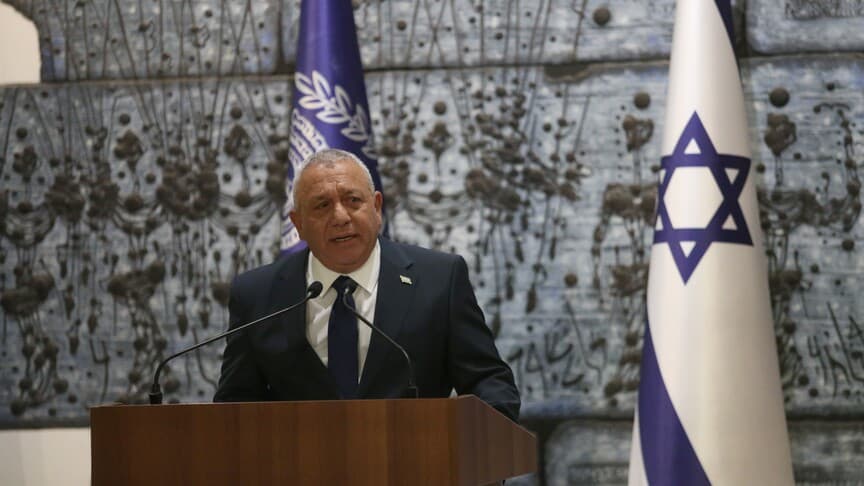
- President Herzog tasked Gadi Eisenkot with forming a government: 67 recommendations against Netanyahu's 46
- Arab parties won 19 Knesset seats, including 11 for Raam, making their position significant in the negotiations
Abbas's statement about contacts with the prime minister's circle
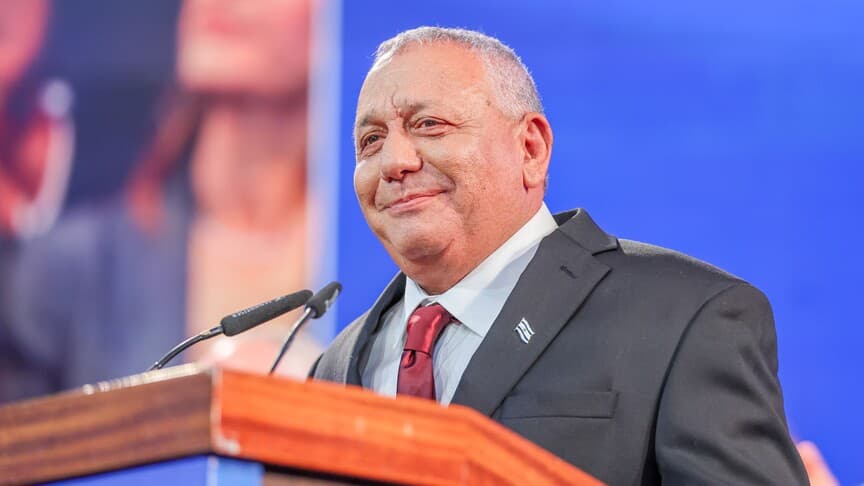
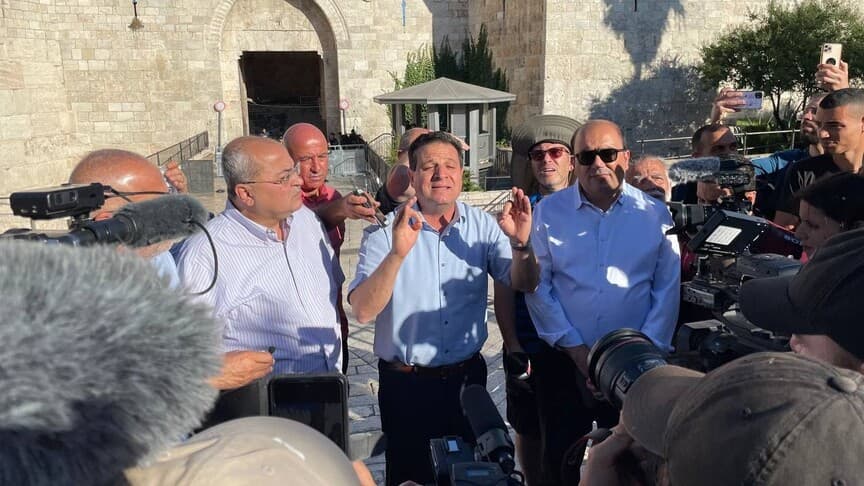
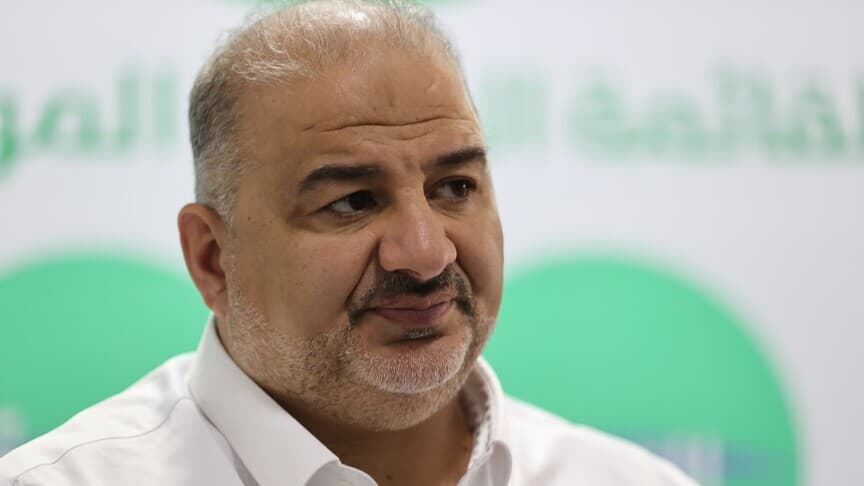
Mansour Abbas, leader of the United Arab List (Raam), said in an interview with Israel's public broadcaster that Nathan Eshel, a close associate of Prime Minister Benjamin Netanyahu, conveyed a message to him on behalf of the head of government. According to Abbas, Eshel asked about the party's position on a bill barring a person under criminal indictment from leading the government or receiving a mandate to form it, and about whether the party was ready to join a coalition that would replace Netanyahu's government. The statement came a day after Netanyahu's speech in the Knesset, in which he criticized the Arab parties, amid opposition lawmaker Gadi Eisenkot's attempt to form a governing coalition.
The 'defendants law' and Netanyahu's trial
The bill in question is the so-called 'defendants law,' which would prevent a Knesset member facing serious criminal charges from receiving a mandate to form a government or leading it. The first version of the bill was presented by former justice minister Gideon Saar in October 2021; in 2022 similar proposals were submitted by parliamentary factions, but none was adopted. In October 2026, Yisrael Beiteinu leader Avigdor Lieberman announced plans to advance the law in the new Knesset, and Eisenkot promised to introduce amendments to it. Netanyahu is on trial on charges of bribery, fraud and breach of trust; current Israeli legislation does not bar a person under indictment from serving as prime minister on that basis alone. Netanyahu did not comment on Abbas's remarks.
Criticism and mixed signals
Abbas sharply criticized Netanyahu's speech on Tuesday, saying the prime minister 'used an official platform to incite against Arab citizens and their representatives.' 'It was a dangerous speech that endangered my life and the lives of my family,' he said, accusing Netanyahu of continuing a 'campaign of incitement and blood libel' against Raam and Arab citizens. At the same time, in Abbas's own assessment, the prime minister treats Arab citizens selectively: 'When it suits his interests, Arab citizens become legitimate, and he becomes Abu Yair, and Mansour Abbas becomes an acceptable partner in his eyes.' Channel 12 previously reported that Eshel had repeatedly been in contact with Abbas before, during and after the November 3 parliamentary elections, trying to persuade him not to support a government led by Eisenkot.
The situation in government formation
On Sunday, Israeli President Isaac Herzog tasked Eisenkot with forming a government after he received the recommendations of 67 Knesset members against 46 for Netanyahu; seven parliamentarians gave no recommendations. To win parliamentary confidence, Eisenkot needs the support of at least 61 of 120 members. Arab parties won 19 seats in the latest elections, including 11 for Raam and eight for the United Arab List, giving their position considerable weight in coalition negotiations. Abbas said his party is ready to help form a government to replace Netanyahu's administration, and that its main goal is addressing the problems of Arab society, above all violence and crime.