The key facts
- Qatar's prime minister held an unscheduled meeting with the foreign ministers of France, the UK, Germany, Italy and Saudi Arabia on the sidelines of the G7 in Paris
- After meeting the Qatari prime minister, Trump called renewing military action against Iran 'highly unlikely', but said the US remains 'ready'
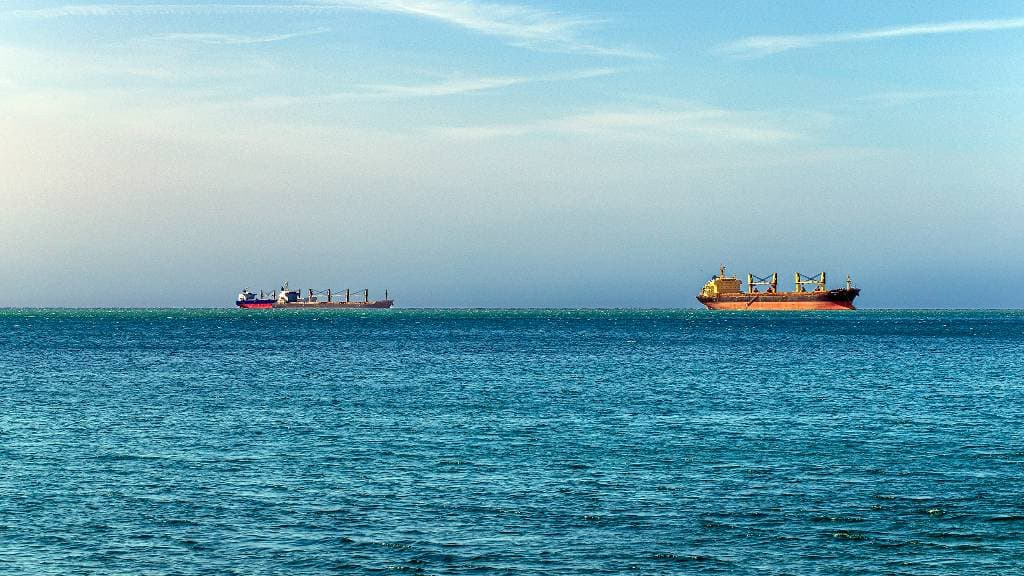
- Iran's blockade of the Strait of Hormuz has pushed up energy prices and triggered social protests in Europe; the question of replacing the Unifil mission in Lebanon was also discussed
An unscheduled visit to Paris
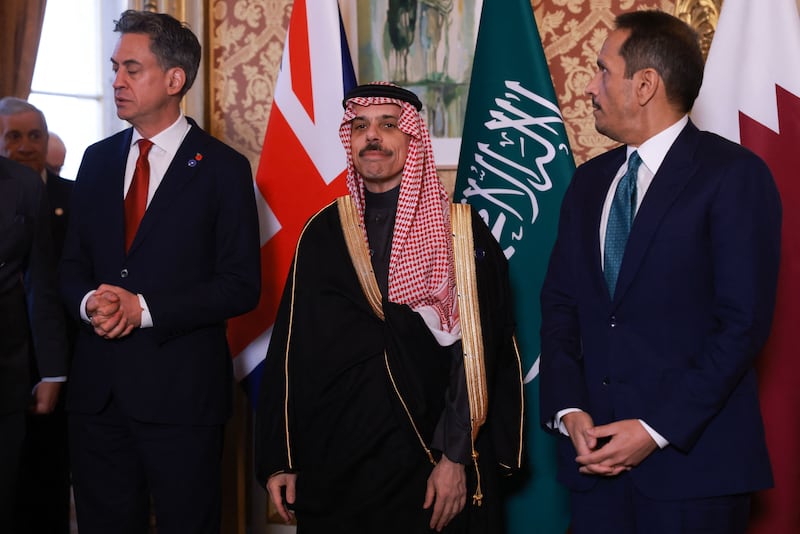
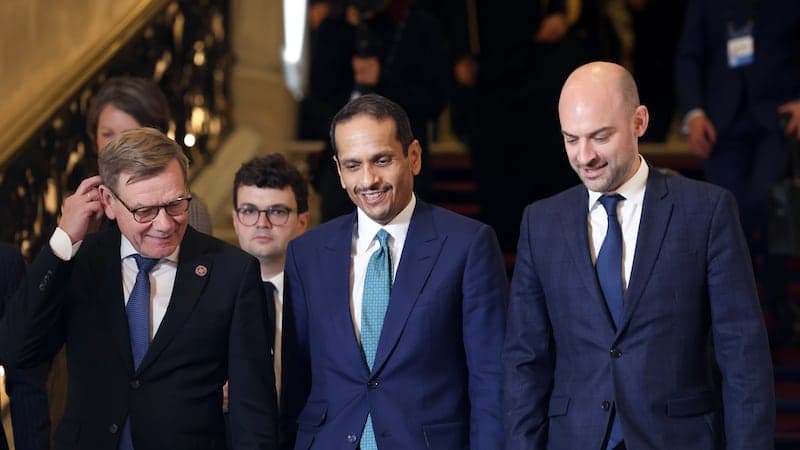
Qatar's Prime Minister and Foreign Minister Sheikh Mohammed bin Abdulrahman made an unscheduled stop in Paris on Tuesday, where he held talks with European and Saudi partners on the sidelines of the two-day G7 meeting. According to The National, the visit was seen by G7 observers as a sign that a diplomatic solution to the war between Iran and the US may be achievable. The meeting lasted less than an hour and was chaired by French Foreign Minister Jean-Noel Barrot, with the participation of the foreign ministers of Germany, the UK, Italy and Saudi Arabia; they discussed 'the consequences of the security and economic crisis both for the region and for the international community as a whole', French diplomatic sources said.
What Trump said and what remains unclear
Sheikh Mohammed briefed those gathered on his talks in Washington with US President Donald Trump — their first in-person meeting since the Republican Party suffered heavy losses in last week's midterm elections, which Trump blamed on the war with Iran. Qatar acts as the main mediator between Iran and the US. On Monday, after meeting the Qatari prime minister, Trump said that renewing military action against Iran is now 'highly unlikely', but warned that Washington remains 'ready' if the situation in the Middle East changes. According to The National, the position of Pentagon chief Pete Hegseth, an advocate of overseas military campaigns, leaves it unclear which course the president will ultimately choose.
Economic consequences and unresolved issues
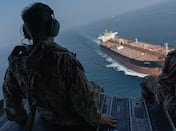
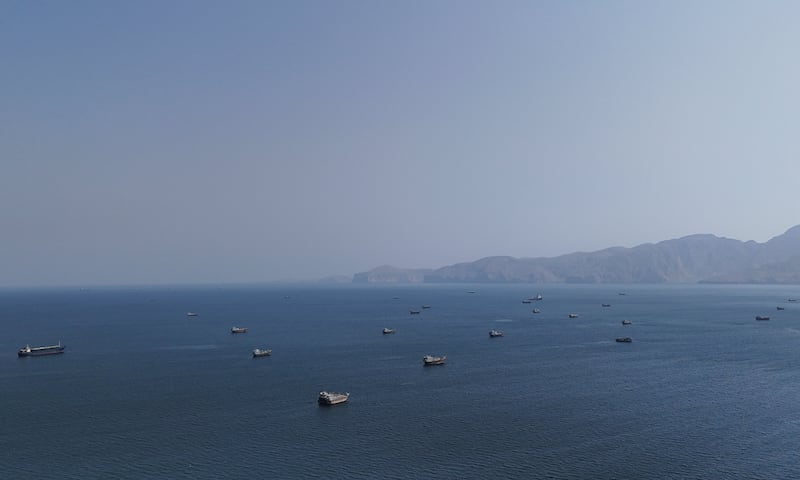
European countries are not directly involved in the mediation, but Iran's blockade of the Strait of Hormuz has, according to the publication, indirectly triggered social protests across the continent over high energy prices. France and the UK proposed supporting the security of the strait with an international naval mission, but only after the US and Iran reach a diplomatic agreement. It remains unclear whether Trump will pursue a diplomatic solution on Iran's nuclear programme — one of the main causes of the war that began on 28 February. Observers believe both sides will have to make concessions: Washington demands that Tehran get rid of its nuclear materials before sanctions are lifted, which Tehran says it does not intend to do.
Lebanon on the agenda
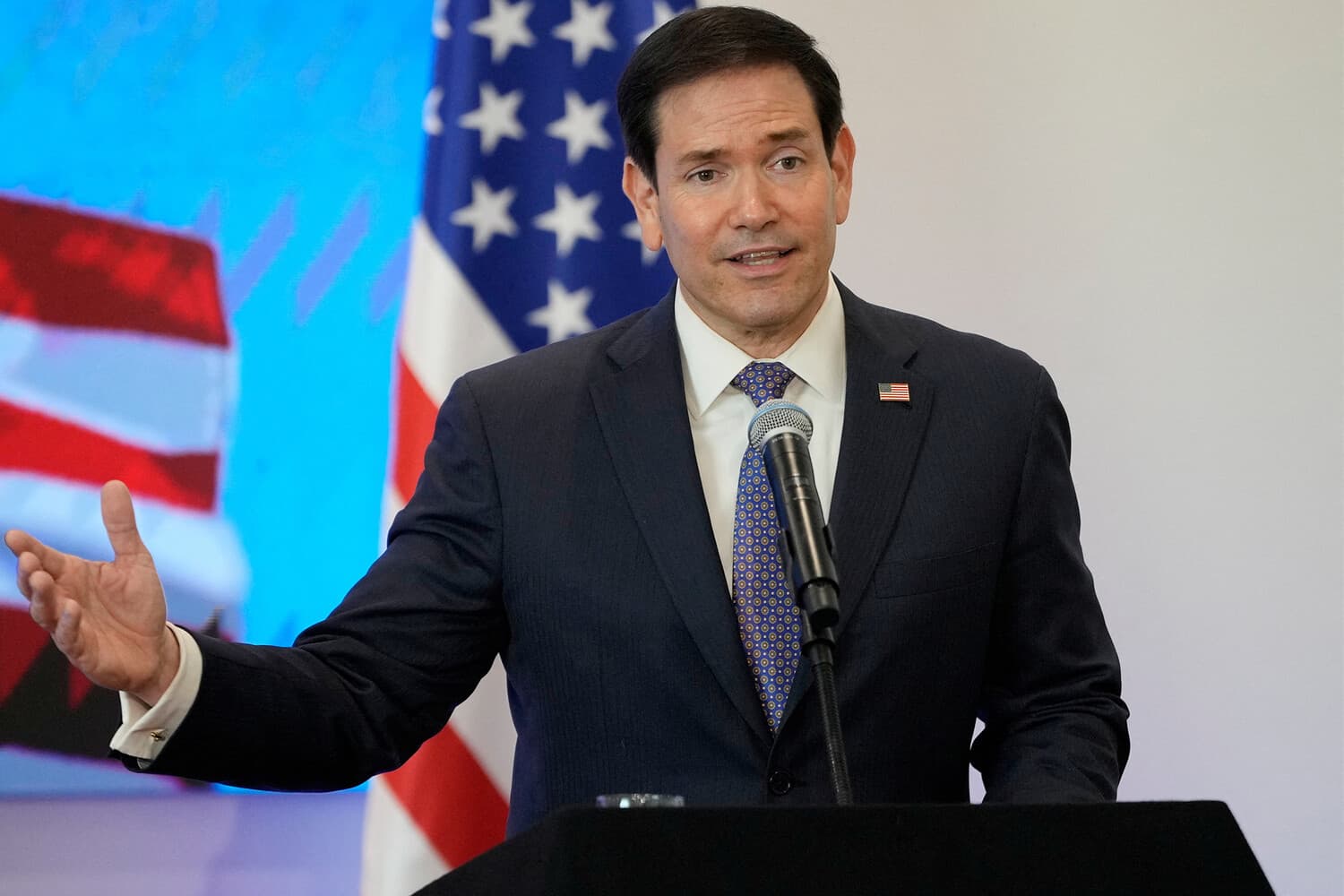
Another topic of the talks with Qatar in Paris was the situation in southern Lebanon, where fighting continues between Israel and the Iran-backed Hezbollah. The UN mission Unifil, which has operated for almost five decades, is leaving the country on 31 December after the US vetoed an extension of its mandate last year, and many fear a security vacuum. France and Italy are leading efforts to create a multinational mission with a military component, but the US is in no hurry to approve it. Secretary of State Marco Rubio, in Paris as a G7 participant, said on Monday evening: 'It does not necessarily have to be a military mission. It could be a civilian mission,' adding that the issue remains 'sensitive' and will require the consent of both the Lebanese and the Israelis.