The key facts
- The US State Department, through the Rewards for Justice program, offered up to $20 million and possible relocation for information about Iran's nuclear program
- Araghchi called the initiative 'abhorrent' and accused Washington of encouraging espionage
- Iran warned that if facilities and personnel are under threat, normal fulfillment of IAEA safeguards cannot be expected
The essence of the appeal
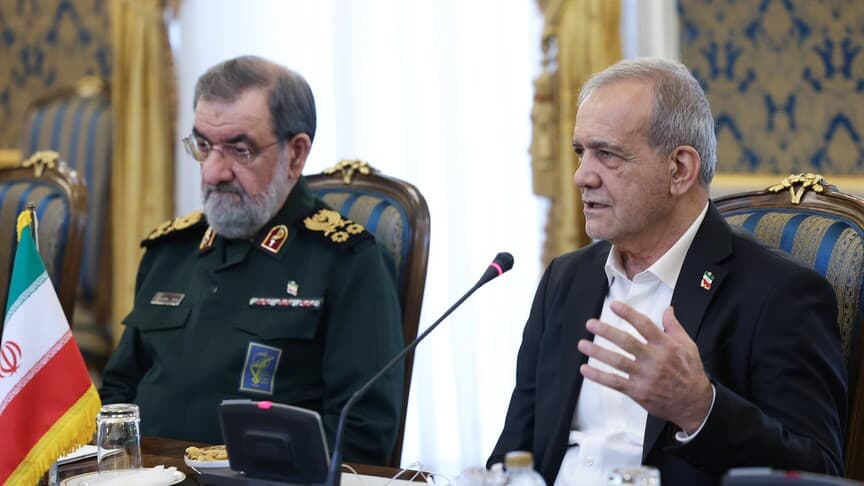
Iranian Foreign Minister Abbas Araghchi on Tuesday sent letters to UN Secretary-General António Guterres, the current President of the Security Council, and IAEA Director General Rafael Grossi, demanding condemnation of the US-announced reward of up to $20 million for information about Iran's nuclear program. In the letter, the text of which was published by the official IRNA news agency, he called the announcement 'abhorrent' and called for its unambiguous condemnation.
What exactly the US was offering
According to Araghchi, the offer was published through the State Department's Rewards for Justice program and posted by US Central Command (CENTCOM). It provides for up to $20 million and possible relocation in exchange for information about nuclear facilities, equipment, scientists, and personnel. The Rewards for Justice program in general pays rewards for information related to threats to US national security.
Tehran's arguments
Araghchi accused Washington of encouraging espionage against Iran's nuclear program and warned that the initiative could expose scientists and technical specialists to the risk of assassination, sabotage, and other security threats. In his view, the collection of confidential information about facilities under IAEA safeguards calls into question the reliability and good faith of the agency's monitoring system. He stated that when facilities, personnel, and sensitive information are exposed to the threat of attack and sabotage, normal fulfillment of safeguards obligations cannot be expected, and he cited Article IV of the Non-Proliferation Treaty, which enshrines countries' right to develop peaceful nuclear energy.
Demands to the UN and the IAEA
The Iranian minister called on the Security Council to consider the possible consequences for international peace and security and to hold Washington accountable for its unlawful actions. He proposed that Grossi protect confidential information gathered during inspections, prevent its use for intelligence purposes, and raise the issue before the IAEA Board of Governors.
Context
The dispute is unfolding against the backdrop of continued tensions following the US-Israeli military operation against Iran that began on February 28. Despite subsequent diplomatic initiatives, Washington and Tehran, as the agency notes, still remain at odds over Iran's nuclear activities, sanctions relief, and the terms of a long-term settlement. The reaction of the UN and the IAEA to the letter has not yet been reported.