The key facts
- John Stringer: the decision on territory is 'absolutely a matter for the Ukrainians'
- He urged allies to 'welcome' Ukraine's successes in strikes on Russian diesel refineries
- Stringer doubts that Putin has moved away from the 'maximalist' demands of 2022
NATO: territorial matters are for the Ukrainians alone
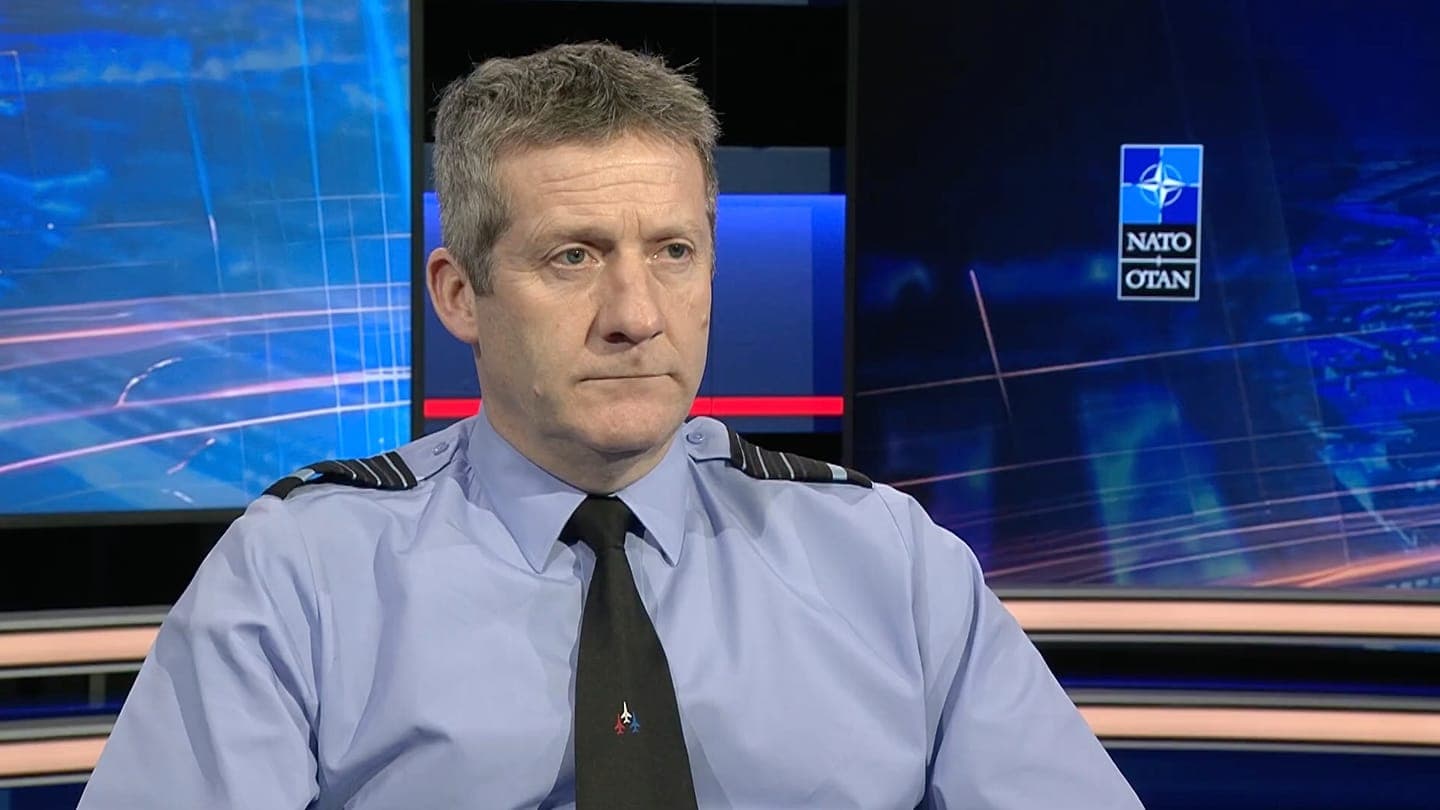
Against the backdrop of ongoing talks on ending the war in Ukraine, where NATO is represented by senior officials including Supreme Allied Commander Alexus Grynkewich, Deputy Supreme Allied Commander Europe at NATO John Stringer gave an interview about the alliance's position. Grynkewich is taking part in the talks in his capacity as commander of US European Command in order, according to NATO officials, to advise American leaders as part of President Trump's efforts to end the war.
Doubts about Moscow's good faith
Stringer said he 'hopes' for Russia's good faith in the negotiations, but pointed to the absence of any signs that Vladimir Putin has abandoned his maximalist demands. 'We will see how serious Russia is. Let's hope this is not simply, frankly, a repetition of the demands which, as I said, go back to 2022,' he noted, referring to Moscow's original goals, including the annexation of Ukrainian territories. According to him, Ukraine's goals in securing a ceasefire are 'paramount' for NATO.
On territory and strikes on refineries
Responding to concerns that Ukraine could be pressured into agreeing to border changes, including giving up control over parts of the Donetsk and Luhansk regions, Stringer stated: 'On matters of territory, that is absolutely a matter for the Ukrainians.' He also highly praised Ukrainian operations striking Russian diesel refineries, calling Ukraine's ability to act 'through imagination, innovation and will' highly impressive. This contrasts with the position of US President Donald Trump, who called on Kyiv to halt this military strategy, arguing that the strikes caused energy prices to rise. Stringer responded that Western allies should 'welcome' Ukraine's success in 'hitting Putin,' who, according to him, had expected to quickly establish a new security architecture in Europe, starting with Ukraine in early 2022, but was 'sternly disabused.'