The key facts
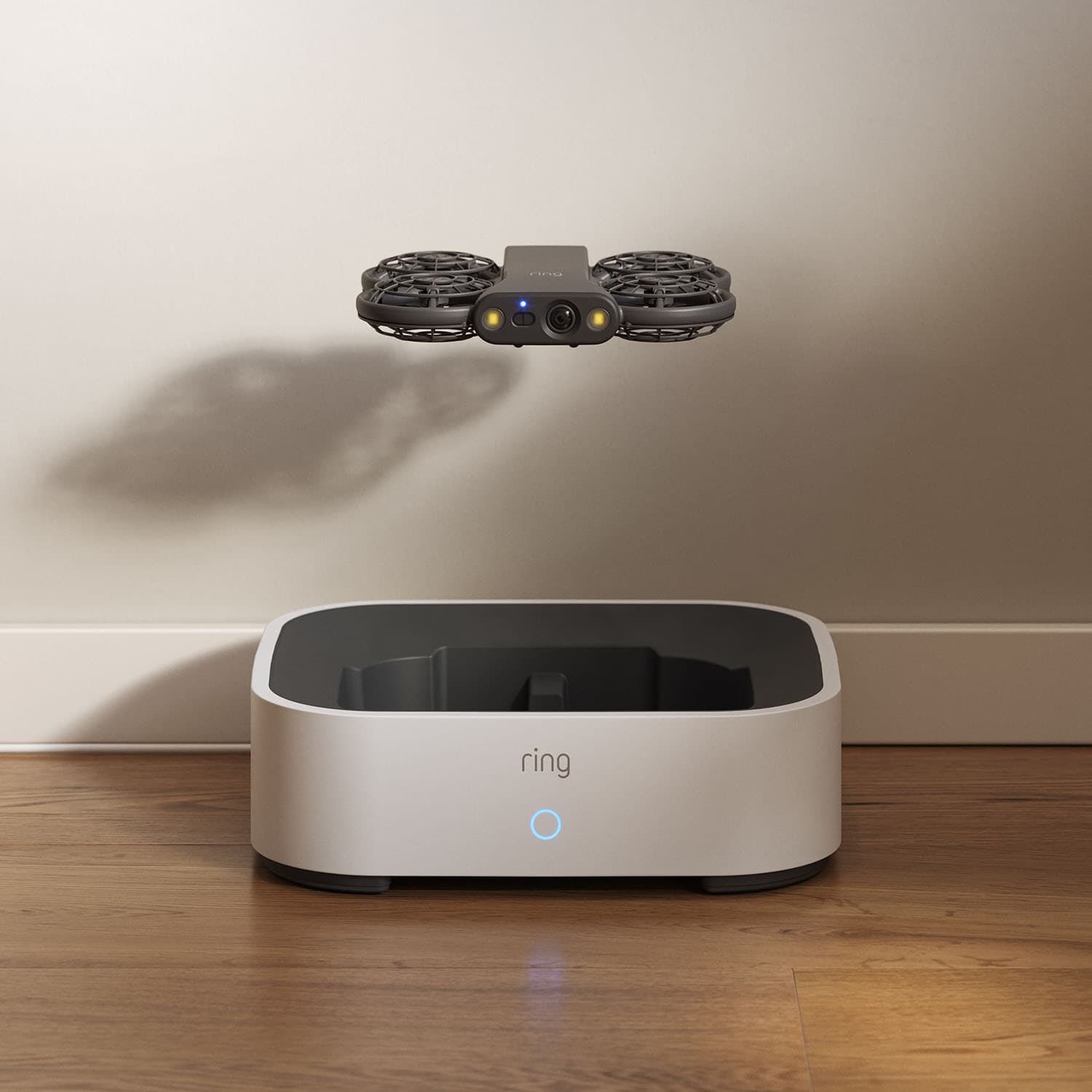
- The Bundeswehr banned commercial Chinese drones (including DJI) and is replacing them with equipment from Germany and Europe
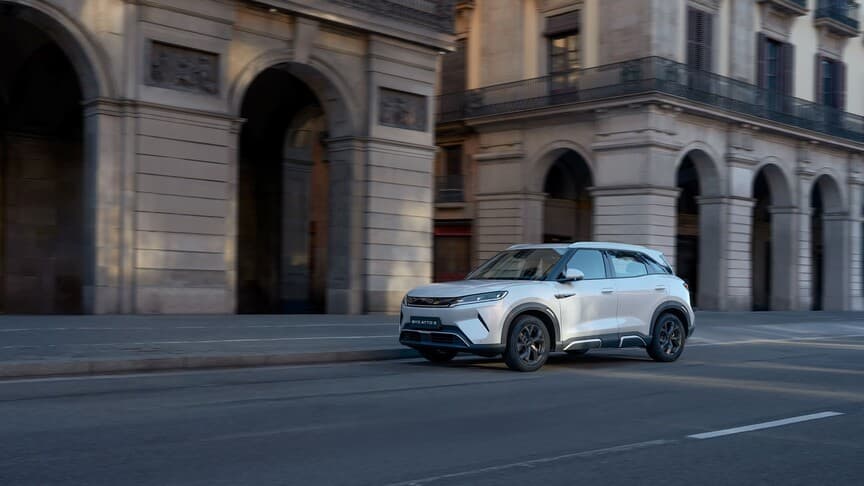
- Chinese cars from BYD, Geely and NIO are no longer allowed into the guarded zones of barracks
- The German Defense Ministry does not disclose the number of drones purchased, citing military security
Drone ban across the entire army
In recent weeks, Germany's armed forces received an order applying to the entire Bundeswehr structure to immediately stop using commercial drones previously purchased from major Chinese manufacturers, including DJI. This was reported by Der Spiegel, which Anadolu cites. The concern is that the devices may transmit sensitive data — information about military exercises, images of barracks and training grounds, or details of German weapons systems — to Chinese intelligence services.
Thousands of drones without centralized records
The scale of the problem stems from how the drones entered the army. Under the 2024 'drone strategy,' the Bundeswehr compiled a 'white list' of models that could be bought in ordinary stores — it included several DJI devices. Local commanders spent years purchasing 'serial commercial systems' with minimal bureaucratic obstacles, and according to insiders' estimates, several thousand such drones accumulated across the country — including the Matrice M30T, which is also used by China's security forces. There was no centralized record of which units had purchased which drones, so a full ban had to be imposed. The Defense Ministry confirmed the measure: Chinese models will no longer be used, and existing ones will be replaced with products from Germany and other European countries. The ministry refused to disclose the number of drones purchased since 2024, citing 'military security.'
Prolonged disputes and counterintelligence data
Over the past months, a heated debate has taken place within the army about the risks of using Chinese drones in exercises. Initially, the Defense Ministry maintained that their operation in barracks and on training grounds was subject to strict protocols and that the drones were used only 'where no security-sensitive information is involved': they were used, in particular, in introductory courses for future drone operators and as targets for counter-drone defense systems. Warnings about the risks were voiced as early as when the 'white list' was being drawn up: according to intelligence data, all Chinese drone manufacturers work closely with the PRC authorities, and analysts at Western intelligence agencies suspect that the devices are equipped with technologies for directly transmitting data to China's security apparatus. It is unknown whether there have been actual cases of sensitive data collection, but one insider who has repeatedly objected in recent months to the use of DJI claims there are concrete signs of espionage: the military counterintelligence service (MAD), he says, found forensic traces of data 'exfiltration' while examining drones used by the Bundeswehr.
Cars under restrictions
In addition to drones, the Bundeswehr has restricted the entry of Chinese cars into barracks and other facilities due to 'acute security concerns.' Lists of models from Chinese manufacturers — BYD, Geely and NIO — are circulating among the ranks; these are no longer allowed into zones classified as protected. Service members who own such vehicles must park outside the premises and walk. The rationale is the fear that the numerous sensors and cameras in Chinese cars could record sensitive data and transmit it to Chinese intelligence services. The cause for concern was a recent incident in Norway: during the 'Hovedstad' exercise involving 5,000 soldiers (September 14–18), the local armed forces discovered that rented Chinese cars had been recording, for example, security checks at the entrance to a military camp.