The key facts
- Sloviansk is one of four cities of Ukraine's 'fortress belt' in Donetsk region, the central topic of the resumed talks in Abu Dhabi
- Sloviansk is one of four cities of Ukraine's 'fortress belt' in Donetsk region, a central topic of the resumed talks in Abu Dhabi
- The population has shrunk from more than 200,000 to less than 10% of the pre-war level
- October was the bloodiest month for Russian troops: over 54,000 killed and wounded according to Ukraine's General Staff
The city Russia wants at the negotiating table
BBC correspondent Jonathan Beale visited Sloviansk in eastern Ukraine — a city under constant attack by Russian drones, missiles and glide bombs. Sloviansk is part of the so-called 'fortress belt' — a system of fortified defensive lines in the Kyiv-controlled part of Donetsk region, made up of four cities. It is precisely the transfer of these cities that Russia is demanding from Ukraine in talks on a possible peace deal, which resumed after a nine-month break between Ukraine, Russia and the US in Abu Dhabi. The Ukrainian side fears that a concession would significantly ease Russia's further advance westward, all the way to Kyiv.
Life under drones
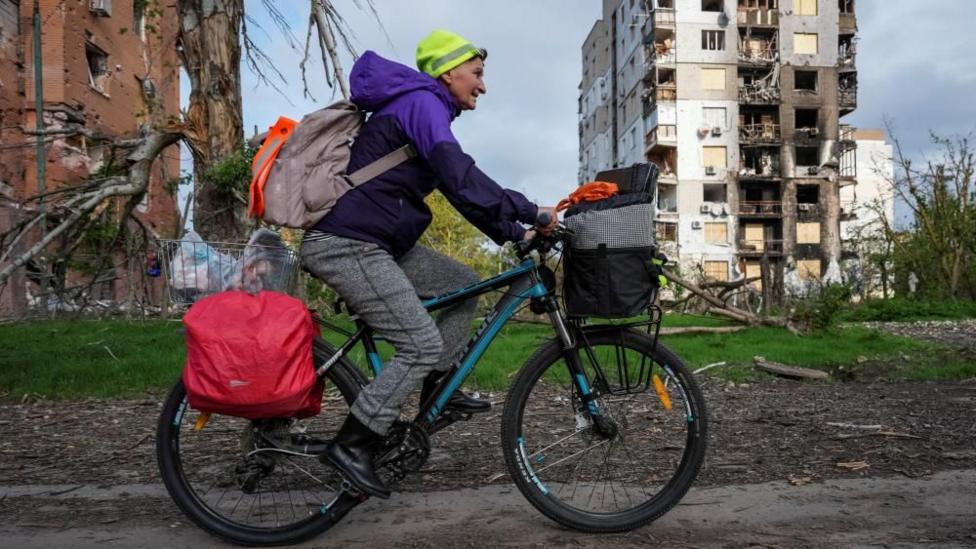
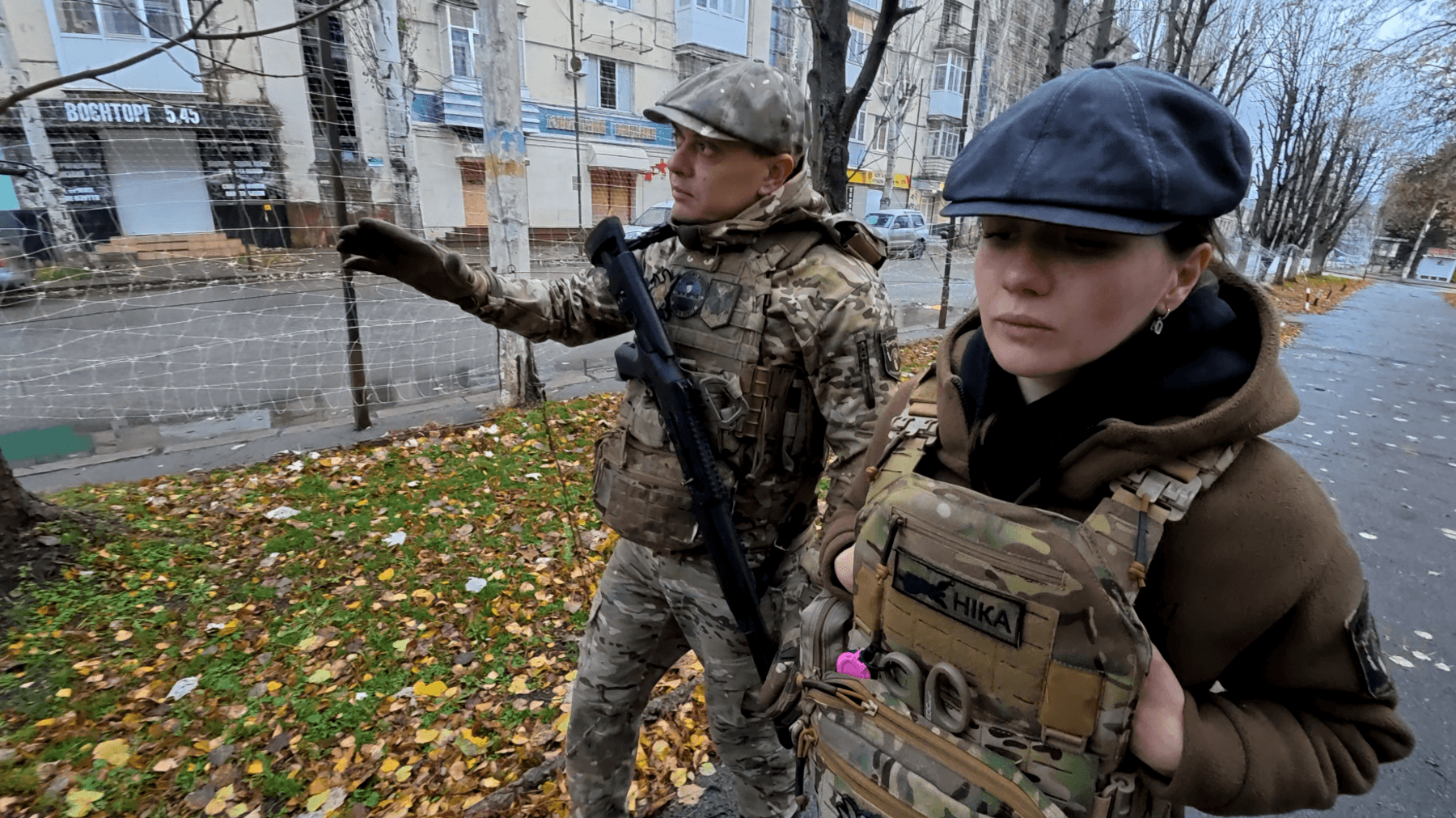
Inside the city, the correspondent was escorted by fighters of a drone unit calling itself Peaky Blinders — after the TV series of the same name, whose flat caps they wear in camouflage. The streets are littered with cars recently destroyed by FPV drones; anti-drone netting over the roads offers no guarantee of safety. A crater from a Russian glide bomb juts out of a school opposite a destroyed apartment building. Most shops are closed, and those that survive are boarded up. Before the war, more than 200,000 people lived in Sloviansk; less than 10% remain, and the population continues to shrink. Families with children have already been ordered to leave the city, and evacuation coordinator Alina Shyrko, herself a Sloviansk resident, says the situation has sharply deteriorated in recent months: 'Everyone is thinking about leaving, and I think about it too.'
Why the city holds on, and what the military say
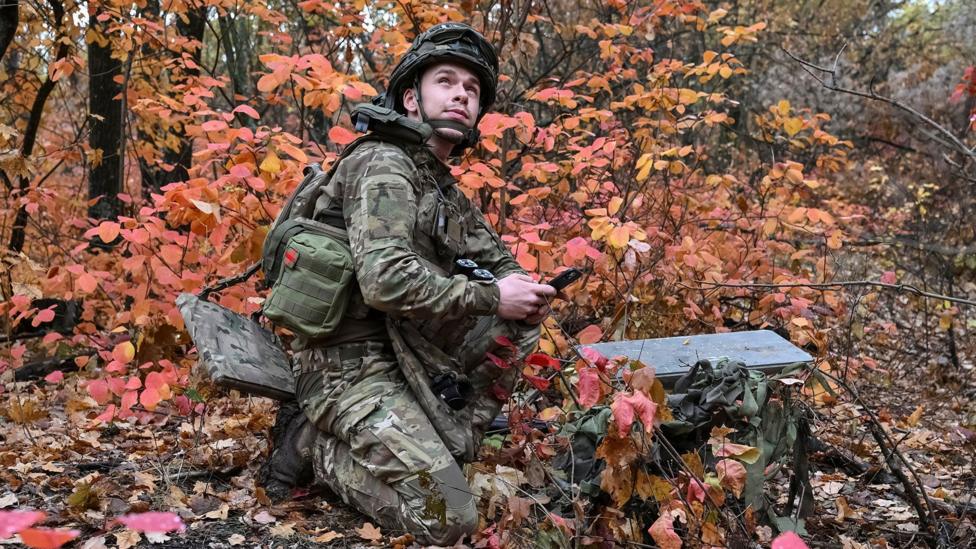
Unit commander Oleksandr, who lost his brother in the war, calls the current situation the hardest he has ever seen. According to him, the saturation of drones makes advance practically impossible for both sides, and Russia's claim that capturing Donbas would end the war is 'absolutely false'. He is also sceptical about the talks: 'I really want this war to end, but do I believe these talks will succeed? No.' According to Ukraine's General Staff, cited by the BBC, October was the bloodiest month for Russian troops since the start of the full-scale invasion — more than 54,000 killed and wounded — while Russia's advance this year has practically stalled. Russia already controls almost 90% of Donbas. The White House, despite Zelensky's refusal to cede territory, sounds optimistic about the resumed talks. For the remaining residents — like Iryna from one of the city's last remaining cafes ('I will not leave Sloviansk. This is my home') or 53-year-old Inha, who has no money to leave — the question of the city's fate is being decided not only at the negotiating table in Abu Dhabi, but also in the daily choice: to stay or to flee.
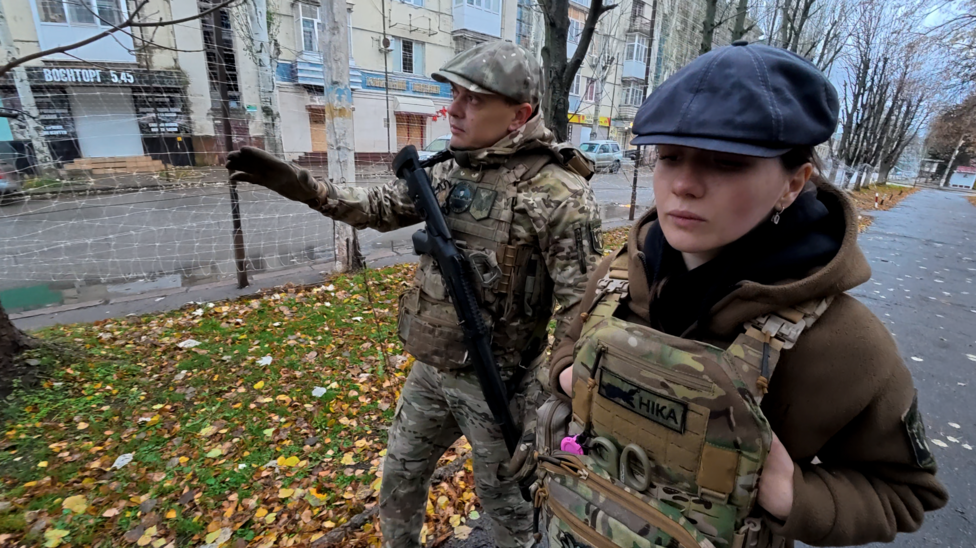 Image source, BBC/Moose Campbell
Ukraine's Peaky Blinders drone unit wear flat caps, a nod to the cult TV series from which they take their name
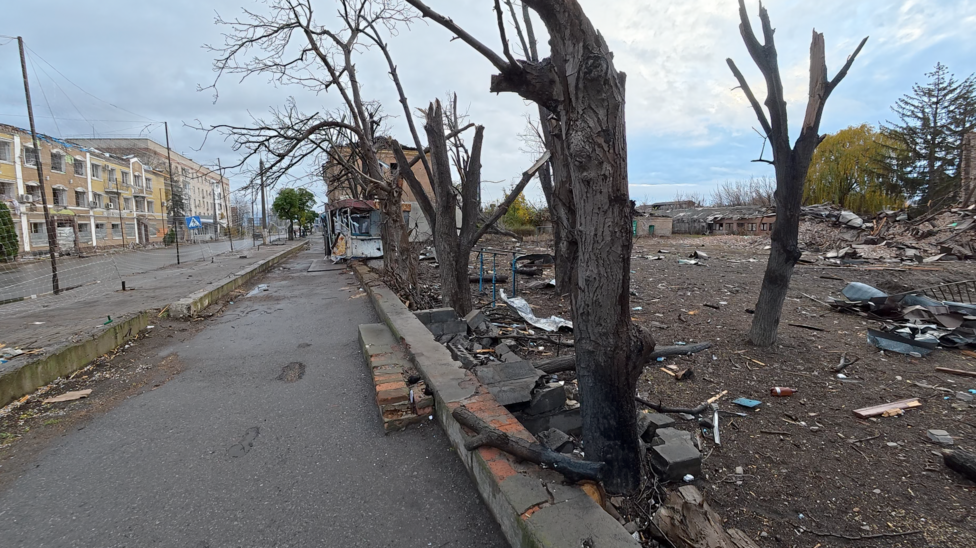 Image source, BBC/Moose Campbell
Very little of the city has been left unscathed by months of heavy bombardment
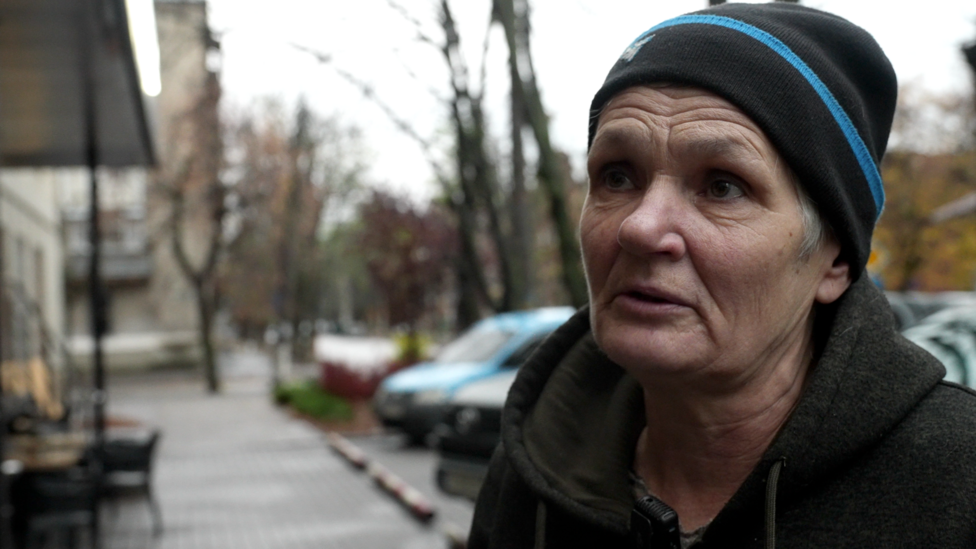 Image source, BBC/Moose Campbell
Iryna, who works in one of the city's last remaining cafes, is one of the few residents who decided to stay
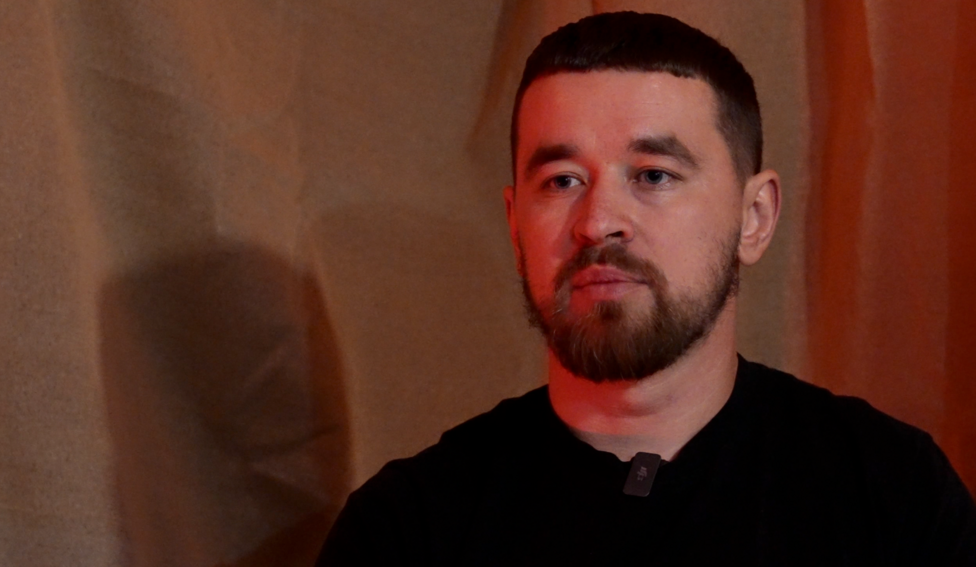 Image source, BBC/Moose Campbell
Commander Oleksandr says neither side is able to advance because of the large number of drones in use
The streets are largely empty, with increasing numbers of residents evacuated as drone attacks intensify