The key facts
- LNER driver Andrew Johnson gave evidence at Cambridge Crown Court about the 1 November attack
- He had 'about 10 seconds' to move the train onto the slow line and stop at Huntingdon
- He had 'about 10 seconds' to divert the train onto a slow line and stop at Huntingdon
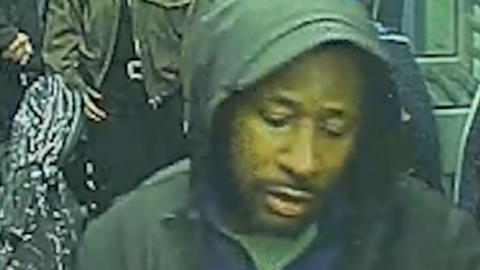
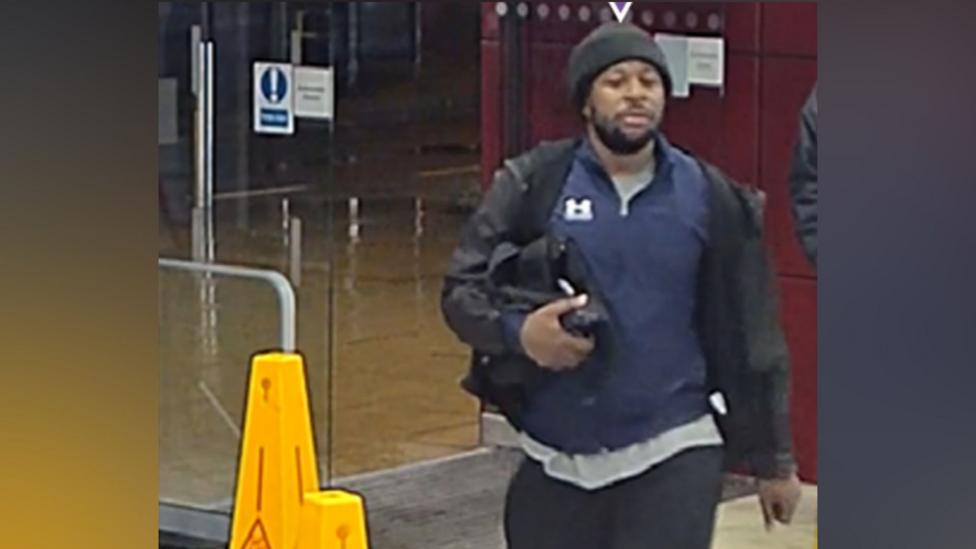
- Anthony Williams, 33, denies 10 attempted murders on the train and four more in Peterborough and London
Train driver's testimony
The driver of the LNER high-speed train on which a mass knife attack took place on 1 November told jurors at Cambridge Crown Court that he had 'probably about 10 seconds' to decide to switch to the slow line before making an unscheduled stop. This was reported by BBC News, whose correspondent was working in the courtroom.
How events unfolded
Andrew Johnson was driving the London service on 1 November last year when the train made an unscheduled stop at Huntingdon (Cambridgeshire) amid the attack by Anthony Williams. According to the driver, the next stop after Peterborough would normally have been Stevenage — exactly 30 minutes of travel. Near Abbots Ripton, on an incline, the train was travelling at 122 miles per hour and was running 'exactly on time'.
The alarm signal and the decision
Johnson said an unusual alarm had been triggered, indicating that someone was trying to open a passenger door: 'I have five seconds to cancel it, otherwise the train will stop immediately.' A full stop would have taken about a mile, or 30 seconds. He called the intercom to that door, got no answer, and thought someone was messing around — 'a Saturday evening'. While he was asking the train manager to check, someone interrupted the intercom, and he heard a shout: 'There's a man with a knife slashing people.' The driver decided the best option was to reach the platform, and he had 'about 10 seconds' to switch to the slow line: 'I just knew it was the right option, it came instinctively.' He pressed the urgent, not the emergency, button — the latter would have stopped all trains in the area — and told the signaller: 'Get me into Huntingdon and call the police.'
At the cab door and arrival
Jurors heard that Johnson heard banging and shouting at the cab door: 'It was incredibly loud, people were begging me to open the door.' He could not leave his seat — within a short time the train would have stopped on its own. He achieved arrival at Huntingdon at 19:44 GMT by manually overriding the door locks, since the stop had not been scheduled — this took about 15 seconds. He described the passengers on the platform as follows: 'They weren't just running — they were sprinting like I had never seen.' Throughout it all, he never saw Williams.
The charges and the issue in dispute
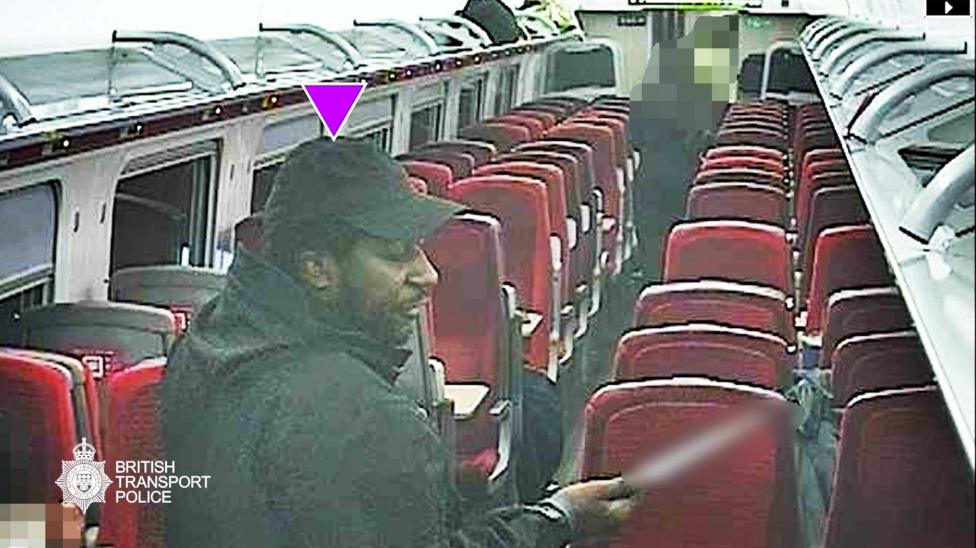
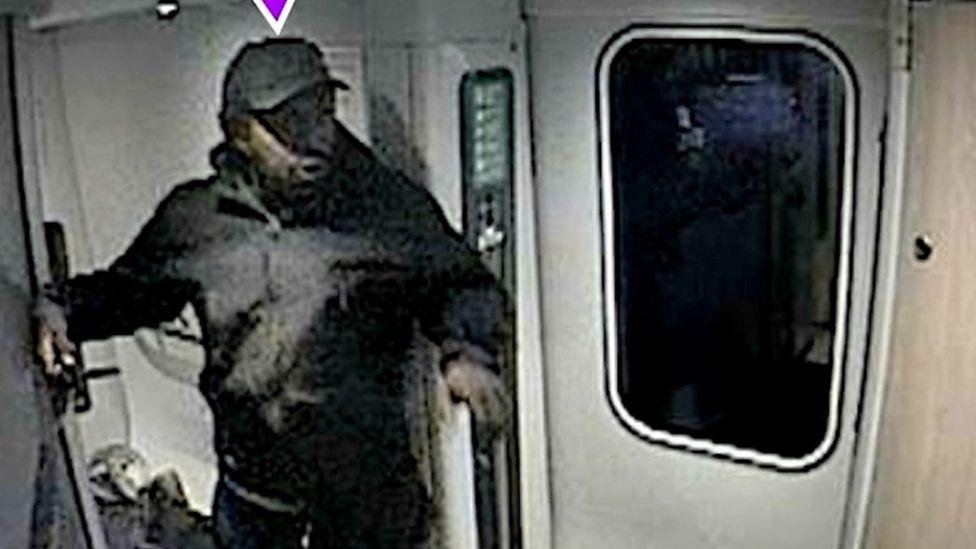
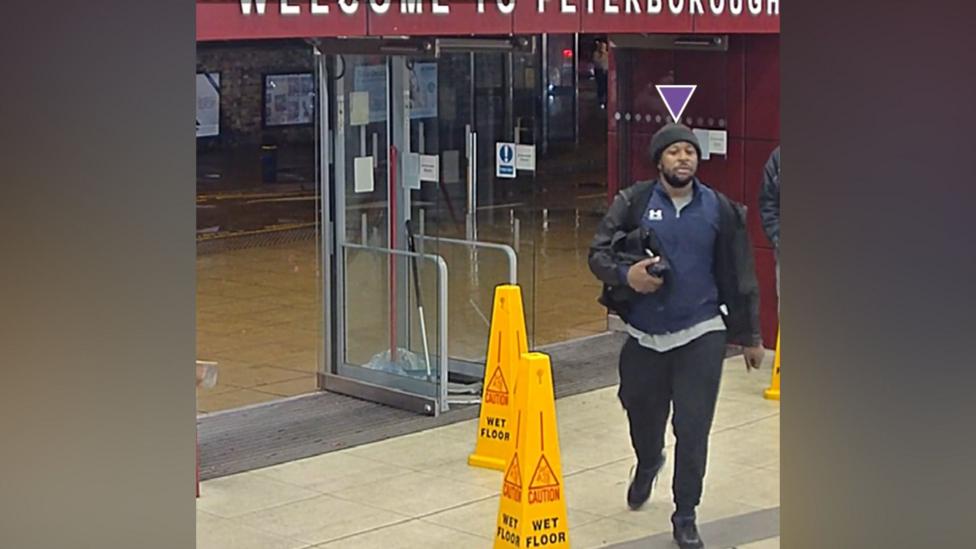
Williams, 33, a resident of Peterborough, denies 10 counts of attempted murder on the train. He also faces four further counts of attempted murder relating to earlier incidents: three victims in Peterborough on 31 October and a teenager on a DLR journey in east London in the early hours of 1 November. The court has previously told jurors that the fact of the attacks is not in dispute — they must decide whether Williams intended to kill. The trial continues.
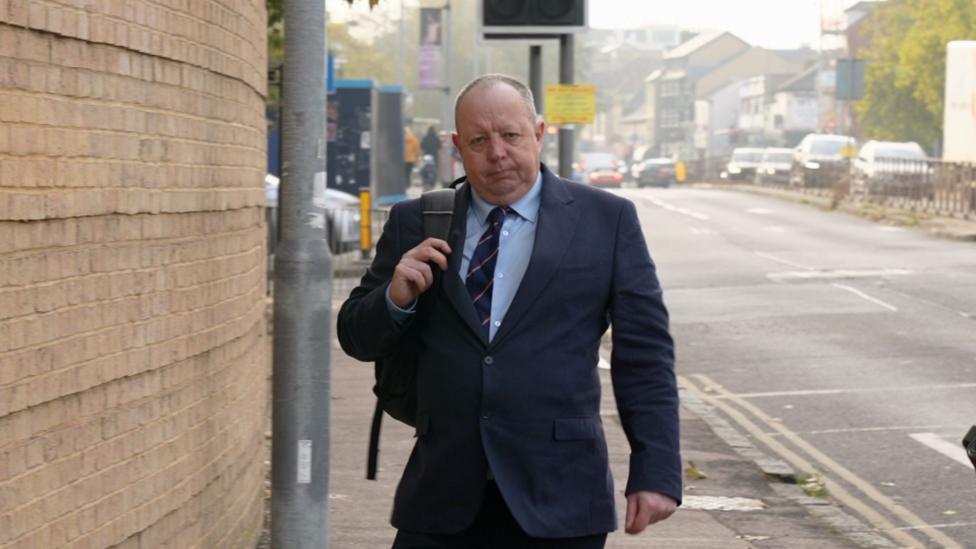 Image source, Steve Lammiman/BBC
Andrew Johnson was driving the train that made an unscheduled stop at Huntingdon
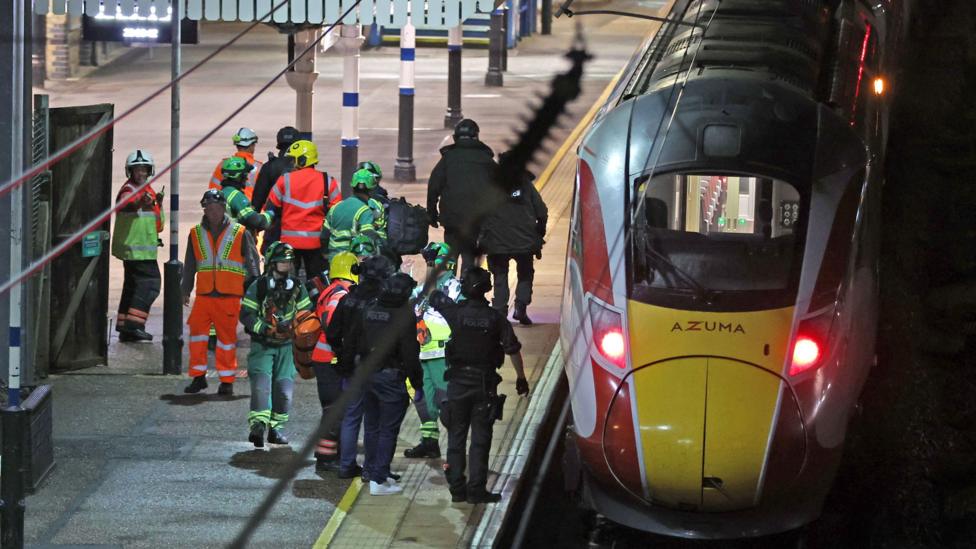 Image source, Press Association
Andrew Johnson told jurors the train was travelling at 122mph when the alarm sounded
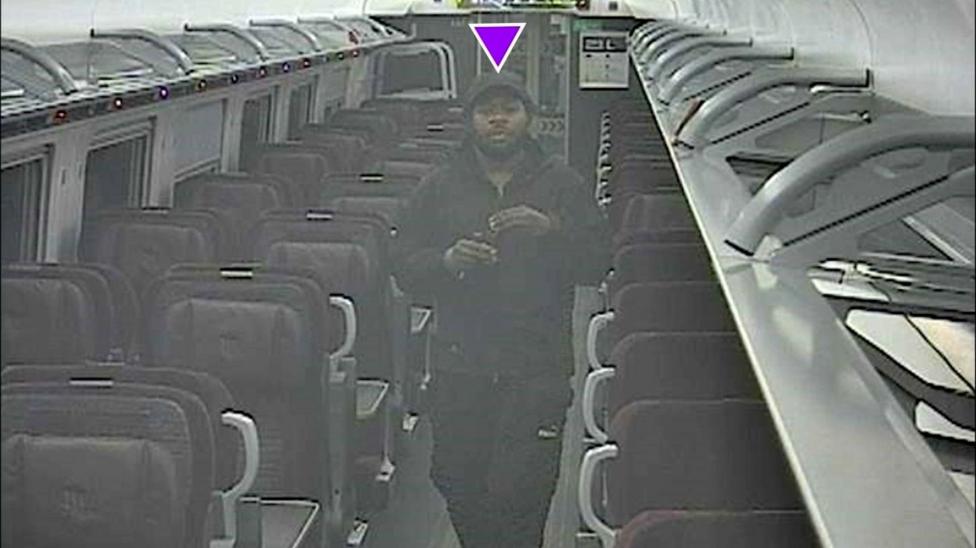 Image source, British Transport Police/Press Association
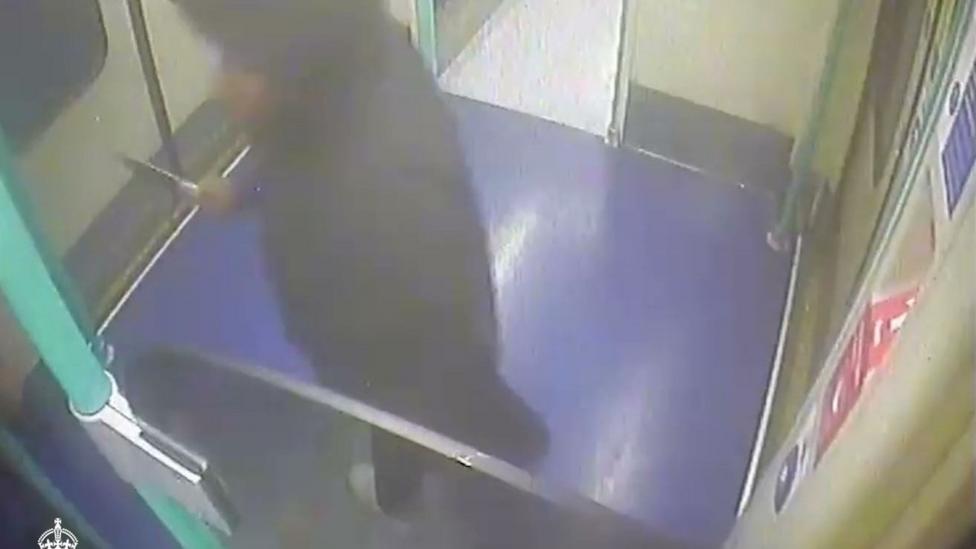
Anthony Williams is accused of trying to kill 10 people on the train