The key facts
- Russell Brand has been sentenced to 10 years and 6 months in prison for rape and sexual assault against four women between 2004 and 2009
- London police are 'triaging' contacts received during and after the trial and assessing whether they show signs of a criminal offence
- Brand remains under investigation over rape allegations from two further women; he has been interviewed under caution
New contacts after the verdict
The day after Russell Brand was sentenced, London's Metropolitan Police said it continues to receive and process new contacts related to him. Detective Superintendent Andy Furphy, who led the investigation, said on BBC Breakfast on Tuesdaythat the police had received 'several messages during the trial and after it'. According to him, officers are 'in the process of triaging' these contacts and assessing 'whether they point to behaviour or whether they may amount to a criminal offence', adding: 'our work is not finished' (BBC News).
The sentence and the status of the investigation
On Monday, Brand, 51, was sentenced to 10 years and 6 months in prison: nine years for rape and additional terms of 18, 9 and 8 months for three counts of sexual assault, to run concurrently. He was found guilty on charges relating to four women between 2004 and 2009. In his ruling, Judge Joel Bennathan called Brand a 'sexual predator' and criticised his 'staggering arrogance'. Brand remains under investigation over rape allegations made by two further women — he has already been interviewed under caution in connection with these reports. A police spokesperson confirmed that 'several people contacted the investigation team during and after the trial to provide information or report a possible criminal offence', and that detectives are assessing this information as part of ongoing investigations.
Pressure on complainants and the parliamentary response
Furphy noted that the trial was hard on the women who gave evidence: 'some found it deeply distressing because of the amount of media attention surrounding the case'. He pointed out that Brand himself had published material online before and during the trial, and stressed that the conviction 'could not have been achieved' without the 'bravery, courage and resilience' of the complainants. Dame Caroline Dinenage MP, chair of the Culture, Media and Sport Committee, again voiced concern that Brand had been 'making money throughout the trial' through his social media platform, addressing 2.5 million followers and denying the allegations — an opportunity that, she said, his victims did not have. Back in September 2023, following the Sunday Times and Channel 4 Dispatches investigations, she wrote to the platforms Rumble, X, TikTok and Meta asking whether they would follow YouTube in disabling Brand's monetisation: Rumble publicly refused, X said it does not act against accounts that do not break its rules or the law, and TikTok said Brand had never been monetised there.
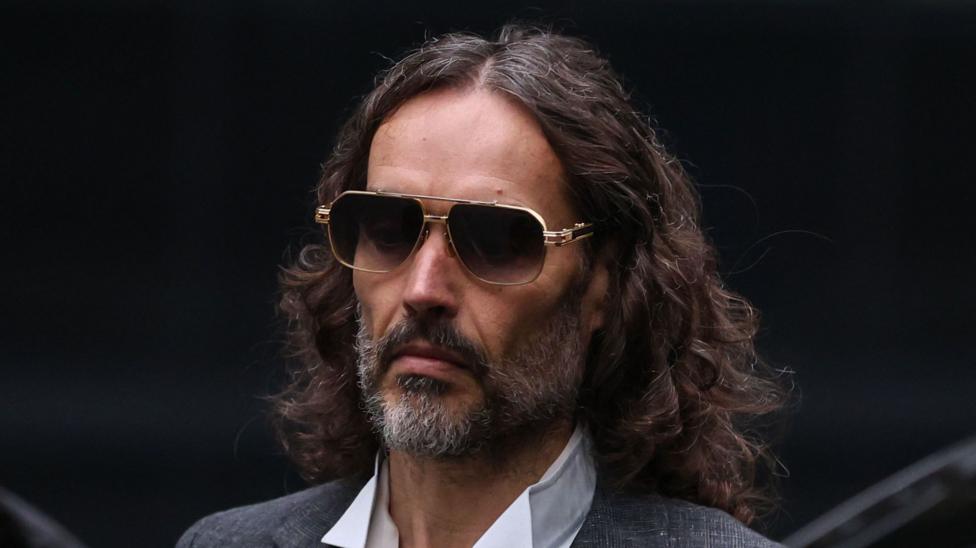 Image source, Getty Images
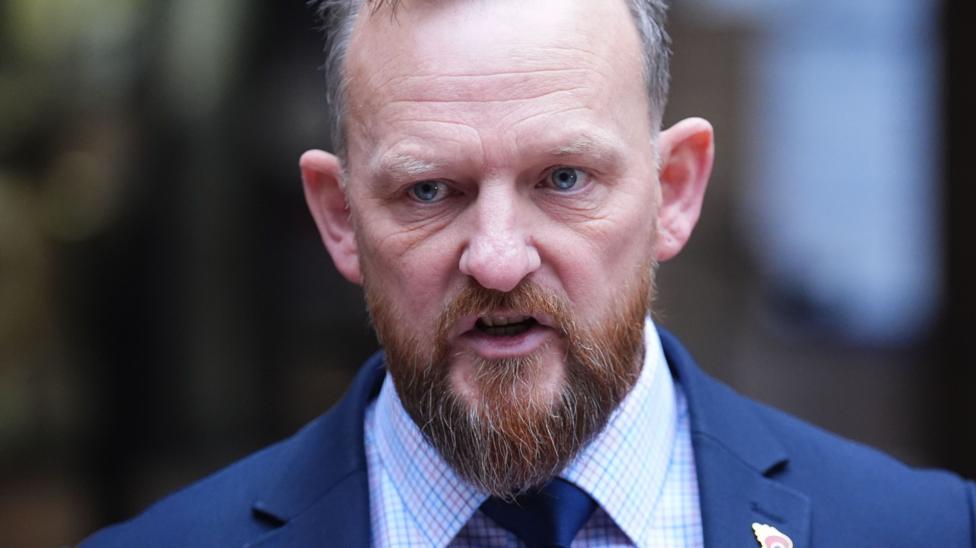 Image source, James Manning/Press Association
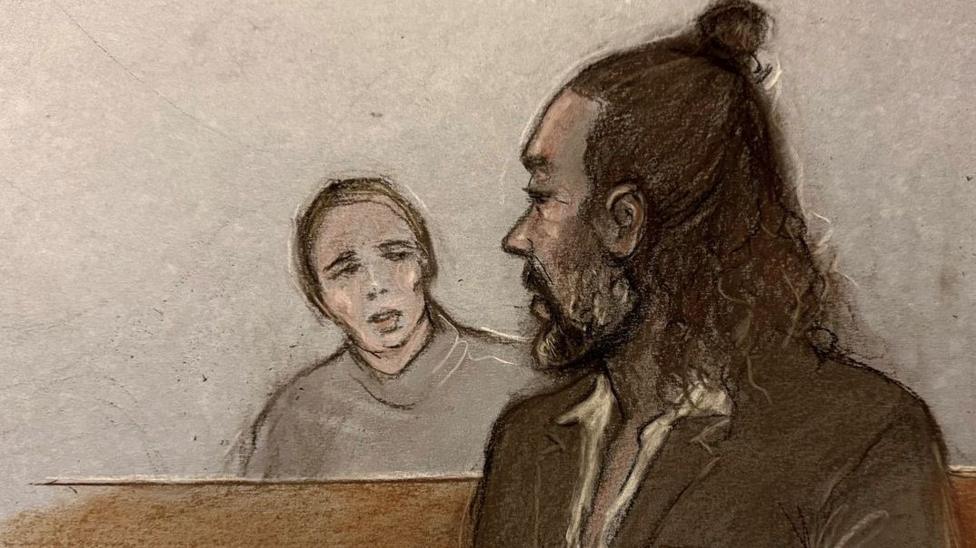 Image source, Elizabeth Cook/Press Association
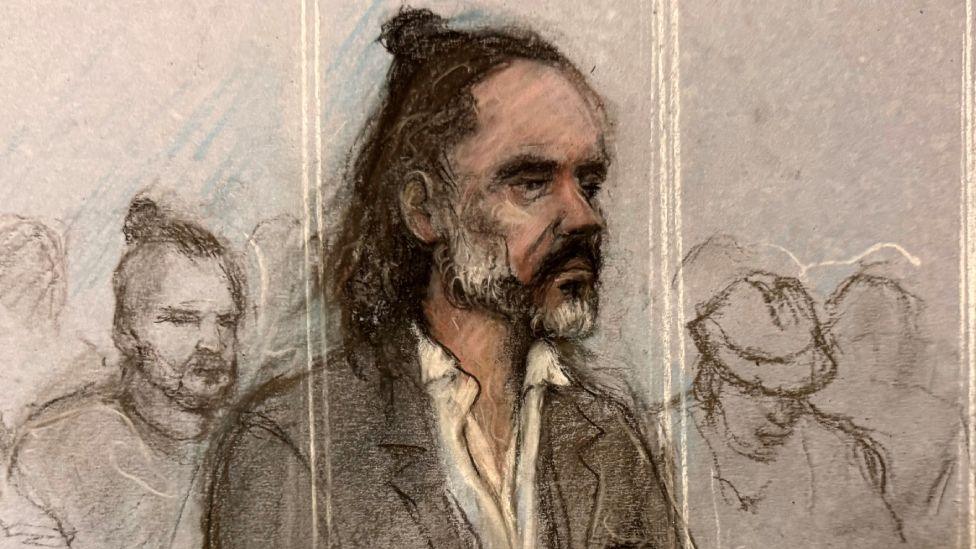
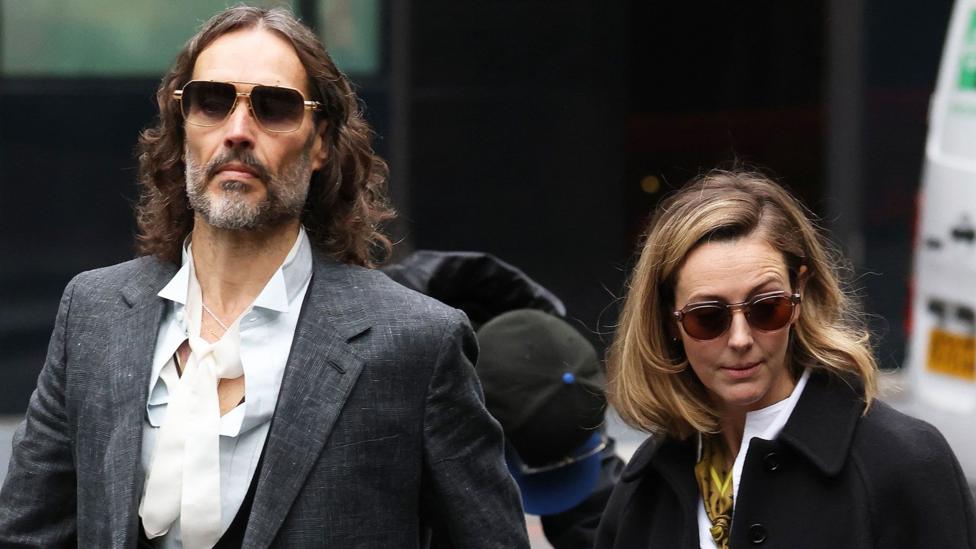
Brand did not react in the dock as he was sentenced. Before being taken down to the cells, he mouthed 'I love you' to his wife Laura Brand, who was in the court.