The key facts
- British household bills could rise by more than a quarter in January — around £460 a year, according to forecasts by British Gas, EDF and E.ON
- The government rejected a £1.5 billion Chinese wind factory but approved the Jackdaw gas field; a decision on Rosebank is expected in the coming weeks
- The government rejected a £1.5bn Chinese wind factory but approved the Jackdaw gas field; a decision on Rosebank is expected in the coming weeks
- At COP31, the US will not be represented after its withdrawal from the Paris Agreement, while China is expanding its leadership in clean technologies
A war thousands of miles away — in your mailbox
After US and Israeli strikes on Iran in February, which effectively closed the Strait of Hormuz, oil and gas prices rose sharply. According to the latest forecasts from major suppliers British Gas, EDF and E.ON, in January the energy bills of a typical British household could jump by more than a quarter — around £460 a year. This is already the second time in four years that a war thousands of miles from Britain has shown up in its bills: the previous shock, following Russia's invasion of Ukraine, cost households an extra £63 billion — about £2,200 each — according to the research organisations Energy and Climate Intelligence Unit and E3G. This is reported by BBC News climate editor Justin Rowlatt.
Two decisions by London: no to Chinese turbines, yes to gas
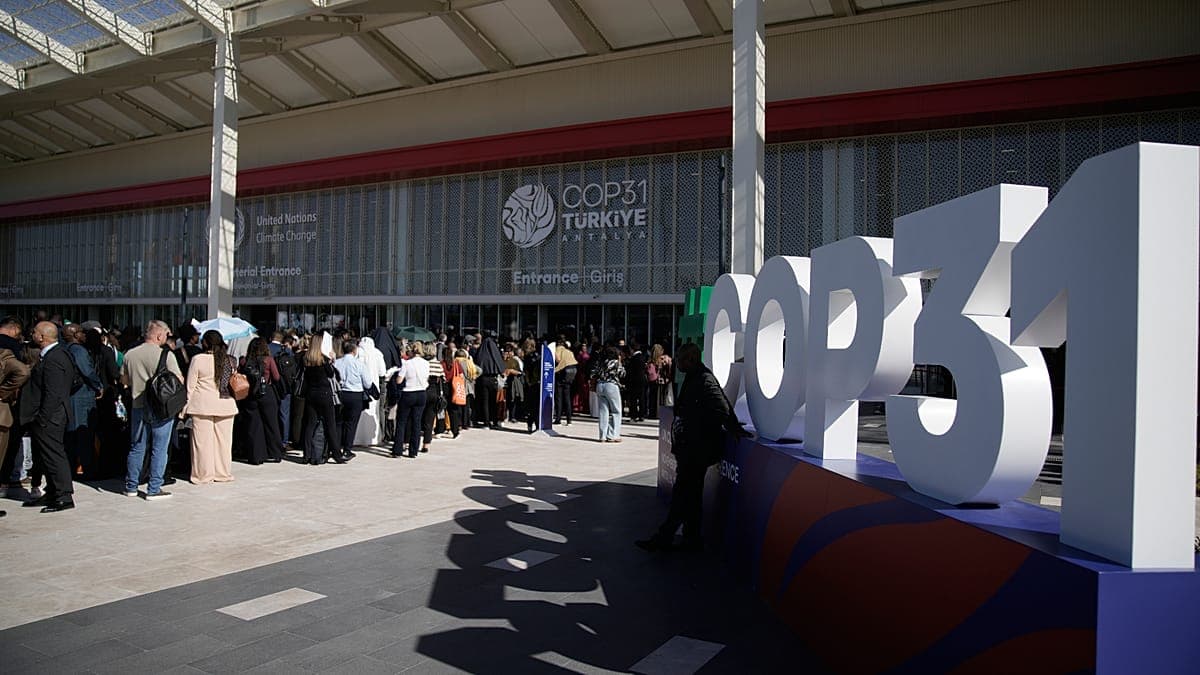
The situation has come to a head on the eve of the COP31 climate summit in Antalya, where the strategies of two energy superpowers collide: the US is betting on fossil fuels, ramping up record oil and gas production, while China is betting on solar panels, batteries and electric vehicles. Britain, which buys almost a quarter of its imported gas from the US and most of its 'clean' equipment from China, finds itself squeezed between them. Two recent government decisions are telling: in March, after calls from American lawmakers, ministers blocked plans by China's Ming Yang to build a £1.5 billion wind turbine factory in Scotland with 1,500 jobs, citing national security — the risk itself was never publicly disclosed. And last month, a new gas field, Jackdaw, was approved in the North Sea. Two days after that approval, Japan's Sumitomo Electric opened Britain's first factory for subsea HVDC cables at Nigg — foreign investment, but not from China.
Will new production lower bills? The minister says no
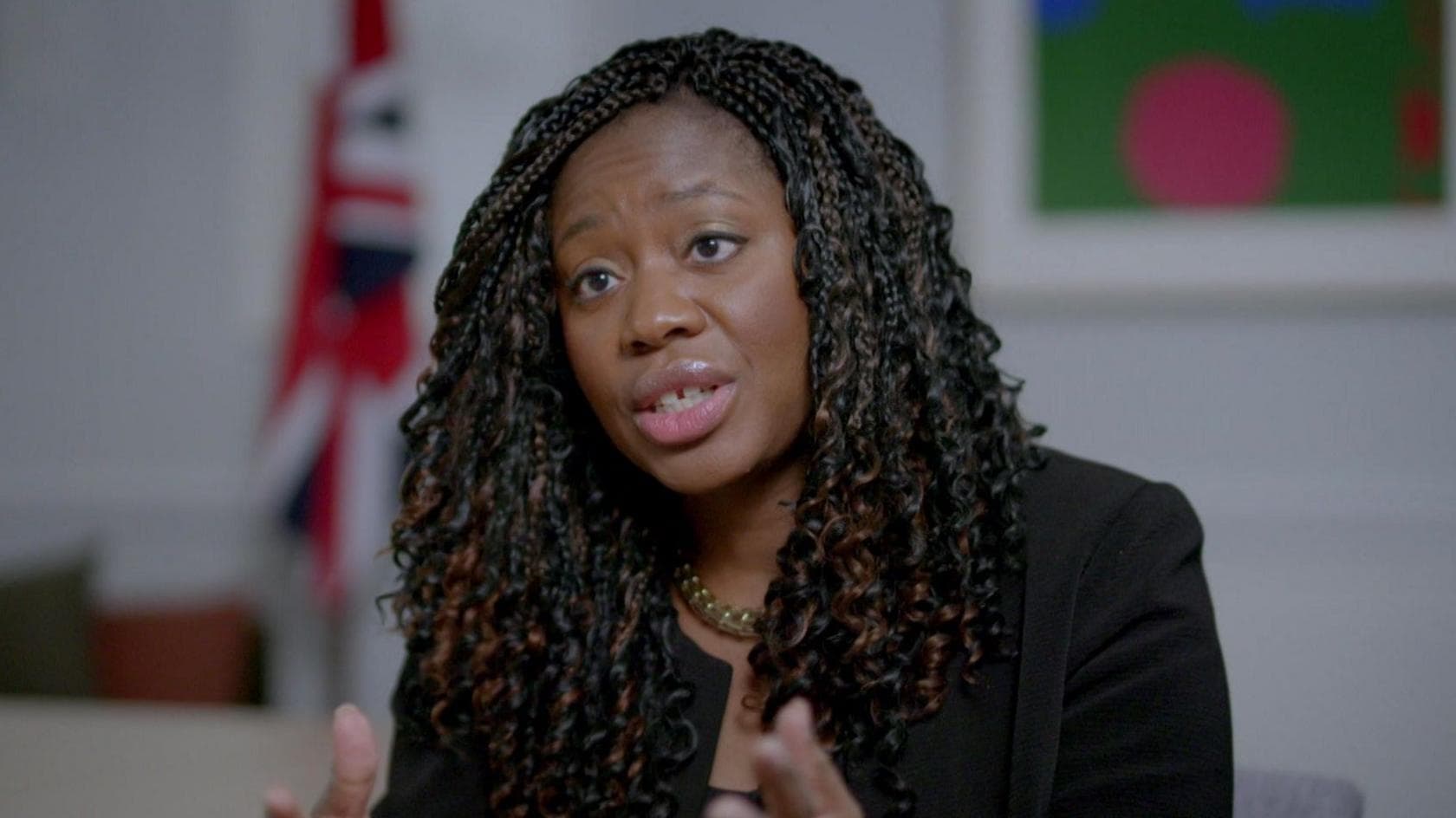
Opponents blame the government for high bills: Conservative leader Kemi Badenoch called for an end to 'dithering' and for allowing extraction, calling it 'the only way to protect families from rising bills'. The next decision — on the Rosebank field west of the Shetland Islands, Britain's largest undeveloped oil field — is expected in the coming weeks and, according to reports, has divided the cabinet. However, Energy Secretary Miatta Fahnbulle told the BBC outright that additional British oil and gas production will not lower bills, since 'oil and gas are ultimately sold on global markets'. Her main priority is energy affordability, and she sees the path to it in 'home-grown clean energy'. At the same time, the scale of new production is limited: Jackdaw's reserves cover only a few months of British gas demand, Rosebank less than a year of oil consumption, and North Sea production has already fallen by more than two-thirds from its 1999 peak.
The renewable alternative is no guarantee of cheap bills either
The argument for 'build, not drill': according to calculations by the government's climate advisers at the Climate Change Committee, a repeat of the 2022 price shock would raise bills by 59% on a high-carbon path but by only 4% with a bet on renewables. But this path has its own problems: inflation has pushed up upfront costs (Ørsted cancelled the giant Hornsea 4 wind farm off the Yorkshire coast due to rising supply chain prices), high interest rates make borrowed financing more expensive, and gas plants still often set wholesale electricity prices — so savings from wind and solar do not always reach consumers' bills. The 'China question' is added on top: China produces the overwhelming majority of the world's solar panels and batteries and about two-thirds of electric vehicles, and in March its exports of these products rose by a record 70% year on year, according to the think tank Ember. Fahnbulle acknowledged that Britain is indeed swapping dependence on petrostates for dependence on Beijing, counting on a 'diversified global market' and wanting to see more locally manufactured turbines.
A changing of roles on the climate stage
Another shift looms over COP31 itself: the US has formally withdrawn from the Paris Agreement this year and, it is expected, will not send a delegation to the summit. Without American pressure, national pledges add up to only a 6% cut in global emissions by 2035 — a tenth of what, according to the UN citing scientists, is needed to keep warming within 1.5°C. China is filling the vacated space: Li Shuo of the Asia Society Policy Institute calls this a 'role reversal' — a once 'very conservative participant' in the negotiations now sees advancing the climate agenda as being in its national interest and intends to meet one of COP31's flagship targets ahead of schedule, five years early — obtaining 35% of energy from electricity. For British households, whose budgets are already stretched, this means the choice between North Sea gas and Chinese 'electrons' will have to be made at the most expensive moment — just before the January jump in bills.

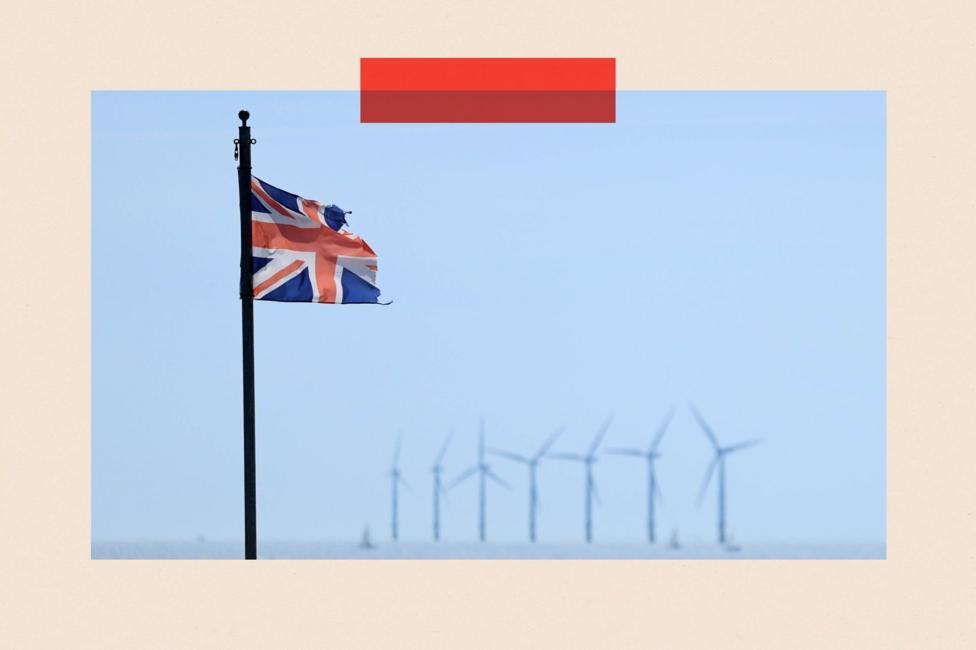 Image source, EPA
Wind turbines represent homegrown energy, but they come with potential problems
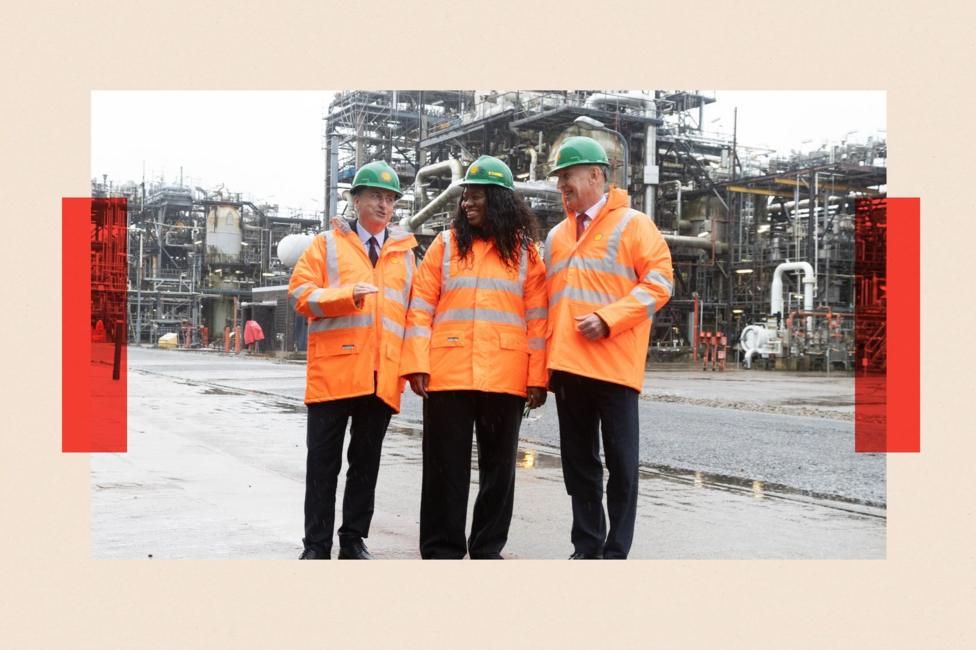 Image source, Press Association
Fahnbulleh, centre, at Jackdaw last month. She says the drilling will have minimal impact on energy prices
 Image source, Reuters
The debate around Rosebank and Jackdaw has sparked vehement opposition from climate protesters
 Image source, EPA
Donald Trump is a big exponent of fossil fuels