The key facts
- Al-Sudani's visit to Tehran last Friday was unannounced and «private,» Iraq's ambassador to Iran said
- Iraq's Foreign Ministry describes the trip as part of efforts to de-escalate the war between Iran and the US
- The closure of the Strait of Hormuz, according to Hussein, has negatively affected Iraq's financial situation
Baghdad reveals the purpose of the Tehran visit
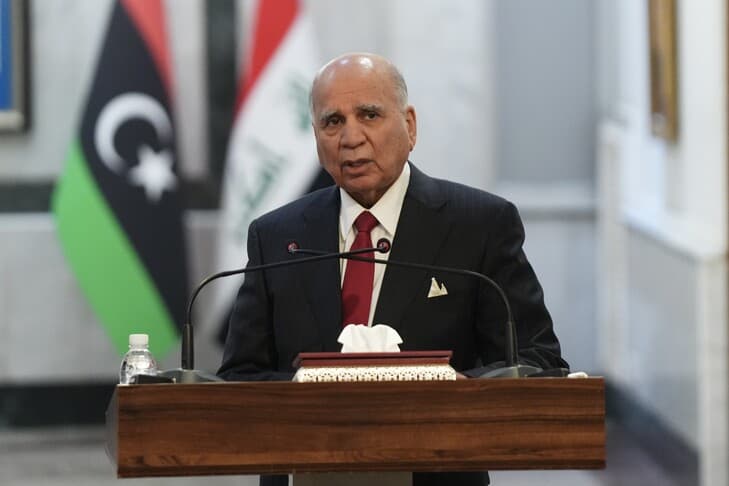
Iraq's Foreign Minister Fuad Hussein said that Prime Minister Mohammed Shia al-Sudani's visit to Iran last week was part of Baghdad's efforts to bring Tehran's and Washington's positions closer together and end the war. «The prime minister's visit to Tehran was an attempt to bring the Iranian and American sides closer together, and there are other efforts as well,» he said on the sidelines of the Paris Peace Forum, according to the INA agency, as cited by Anadolu. According to him, Iraq is capable of playing such a role because it has «strong relations with neighboring Iran and excellent relations with the United States»; similar efforts, he added, are being made by other countries as well.
An unannounced visit and preceding contacts
Baghdad reported on the trip itself on Monday: Iraq's ambassador to Tehran, Yasser Abdul Zahra al-Hajjaj, described al-Sudani's visit last Friday as «private and unannounced» and said it was devoted to ways of reducing tensions and settling the conflict in the region. According to Iranian media reports, the prime minister met with Iranian President Masoud Pezeshkian and parliament speaker Mohammad Bagher Ghalibaf and discussed initiatives to resume negotiations between Tehran and Washington. The trip took place a day after al-Sudani's phone conversation with US President Donald Trump, in which, according to the Iraqi statement, the regional situation and security issues were discussed.
Economic consequences and unresolved issues
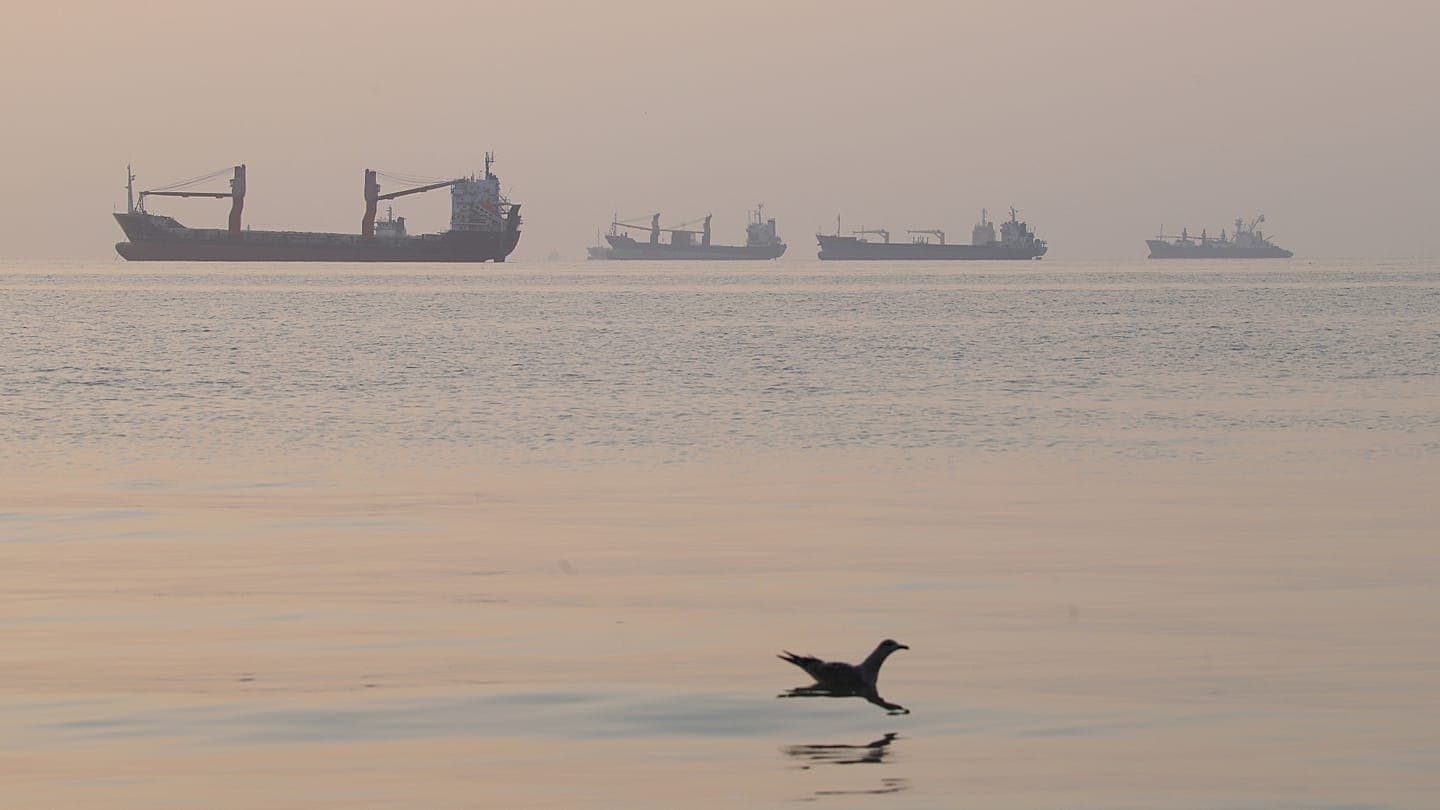
Hussein warned of the economic and security consequences of the ongoing war and the closure of the Strait of Hormuz, emphasizing that Iraq has a direct interest in ending the escalation. «The closure of the Strait of Hormuz has negatively affected Iraq's financial and economic situation,» he said, also pointing to the casualties and the spread of the conflict to Iraq and the Persian Gulf countries. According to him, the continuing instability will have negative consequences for global energy and commodity markets, including oil and metals; he discussed these issues at the forum in Paris.
Context of diplomatic efforts
On November 6, Hussein proposed creating a committee of foreign ministers from a number of countries in the region that would visit Tehran and Washington to reach peaceful agreements. The proposal was made during a phone conversation with Iranian Foreign Minister Abbas Araghchi, who outlined Tehran's vision for resuming negotiations, including the opening of the Strait of Hormuz and resolving disputes over Iran's nuclear dossier. Baghdad's diplomacy is unfolding against the backdrop of the ongoing consequences of the war launched by the United States and Israel against Iran on February 28, and the subsequent Iranian response, which disrupted shipping and energy supplies in the region. According to Anadolu, a settlement is still being hindered by disagreements over a ceasefire, the lifting of sanctions, the naval blockade of Iran, and the opening of the strait.