The key facts
- The program includes 15 districts of the Andijan, Fergana, Namangan and Surkhandarya regions
- 18 thousand hectares of forests and 123 thousand hectares of pastures will be restored
- Improved resilience to climate risks is expected for 342 thousand people, half of them women
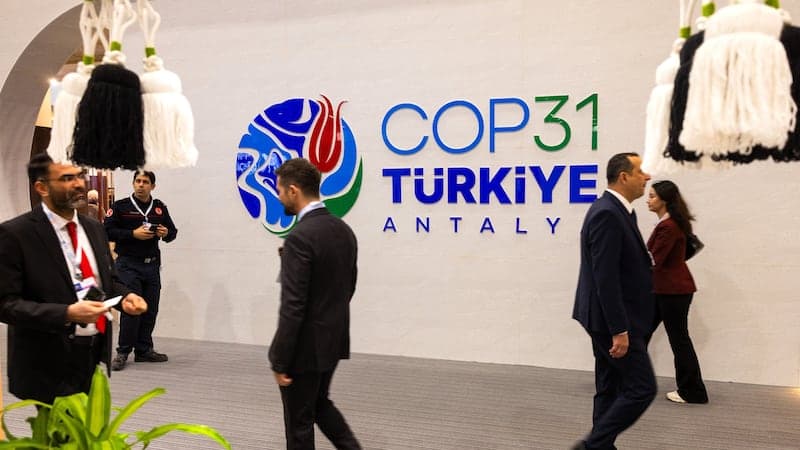
The program was presented at COP31
As part of the 31st UN Climate Change Conference (UNFCCC COP31), an event was held dedicated to the implementation of the regional program “Climate-Resilient Landscapes of Central Asia” (CLiCA). This was reported by the press service of the National Committee for Ecology and Climate Change, reports Gazeta.uz. The program was developed with the support of the Green Climate Fund, the government of Germany, the German Society for International Cooperation (GIZ) and the European Investment Bank; Uzbekistan, Kyrgyzstan and Tajikistan are participating in it.
What is planned for Uzbekistan
For the program’s implementation in Uzbekistan, 15 districts of the Andijan, Fergana, Namangan and Surkhandarya regions have been selected, where 103.7 million euros of investment is planned to be attracted. Restoration will cover 18 thousand hectares of forests and 123 thousand hectares of pastures — 141 thousand hectares of land in total. In addition, the program provides for the introduction of drip irrigation systems and drought-resistant crop varieties, the construction of greenhouses, climate advisory services for 12 thousand farmers, and expanded access for agricultural producers to loans through local banks. According to estimates, resilience to climate risks will improve for 342 thousand people, half of whom are women. For every euro of national contribution, more than 24 euros from international partners are expected to be attracted.
Uzbekistan’s commitments
Head of the National Committee for Ecology and Climate Change Aziz Abdukhakimov outlined three commitments of the country. The first is the prompt launch of the program: to start the project in 2027, a national steering committee and a program management group will be established. The second is national responsibility for the results: the achieved indicators will be integrated into district development plans, and the interagency council on agriculture, forestry and land use (AFOLU) will continue to operate as a permanent coordinating body even after the program ends. The third is transparency of implementation: open reporting was promised on restored areas, growth in farmers’ incomes and real changes in the population’s living standards.