The key facts
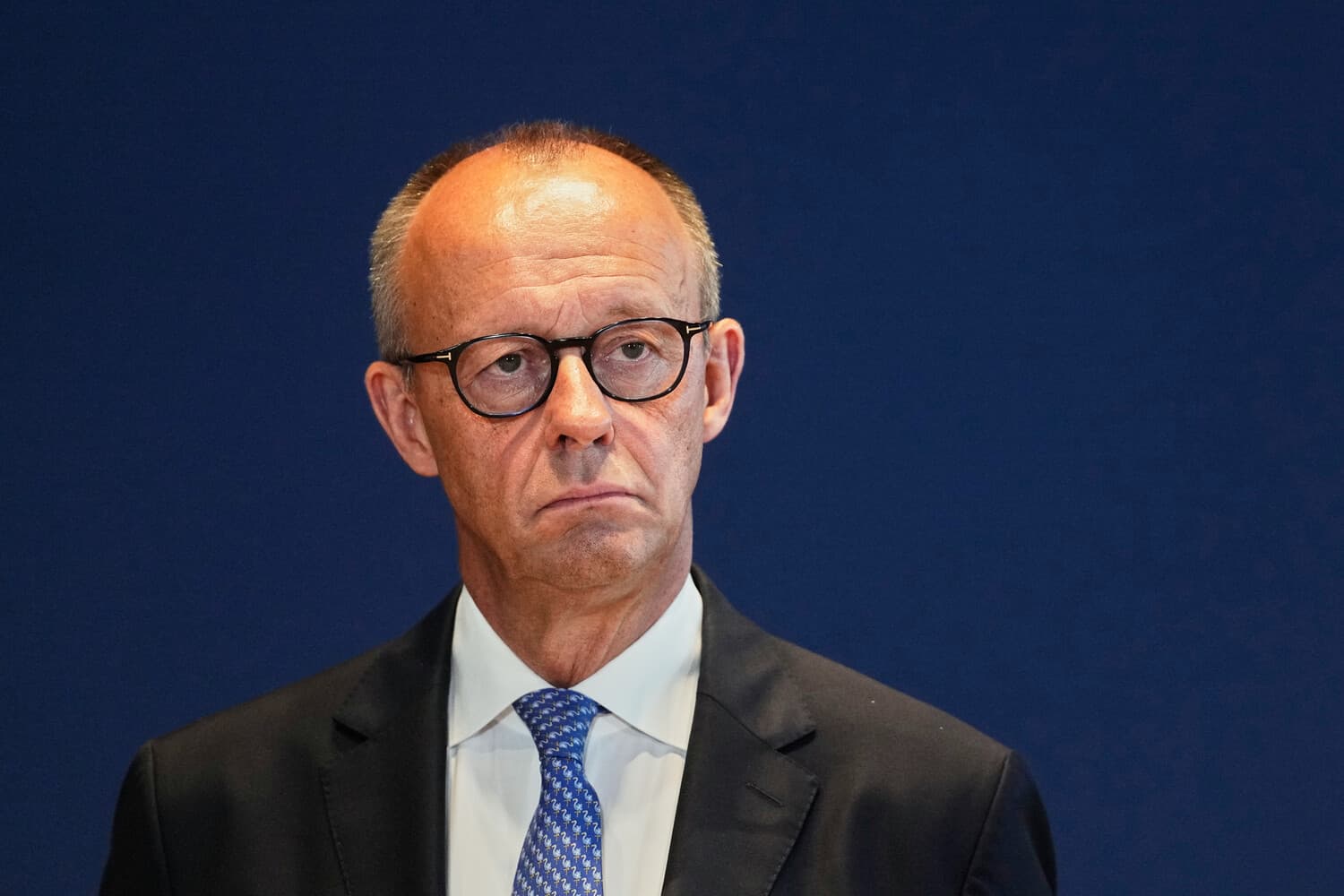
- Merz tied approval of the EU budget to an obligation for all countries to finance aid to Ukraine
- Costa promised a broad discussion on Ukraine at the informal summit in Dublin, with the main decisions at the special summit at the end of the month
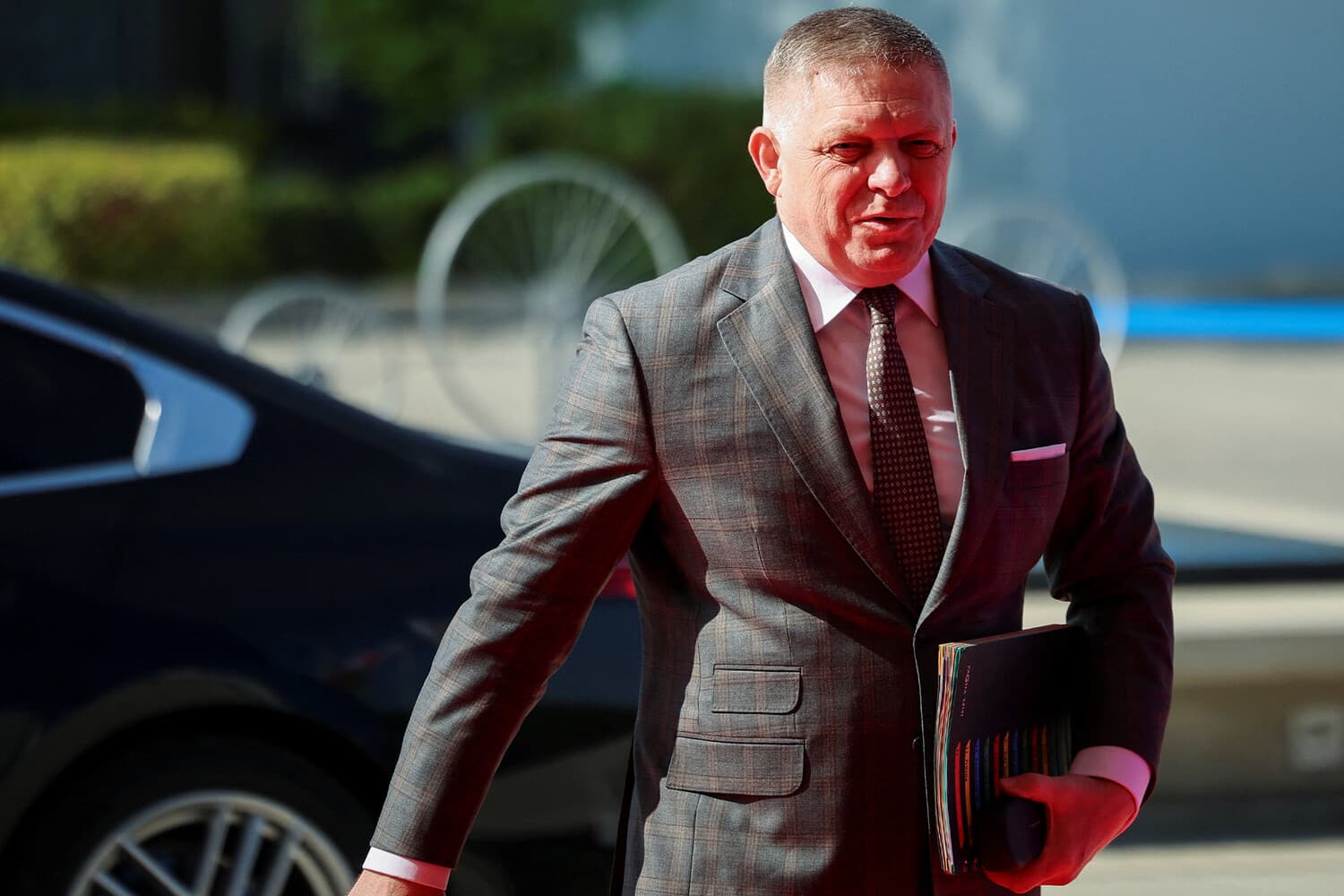
- Slovakia, the Czech Republic, Hungary and Bulgaria reject the ultimatum; Fico called it 'blackmail'
Merz's ultimatum and Costa's response
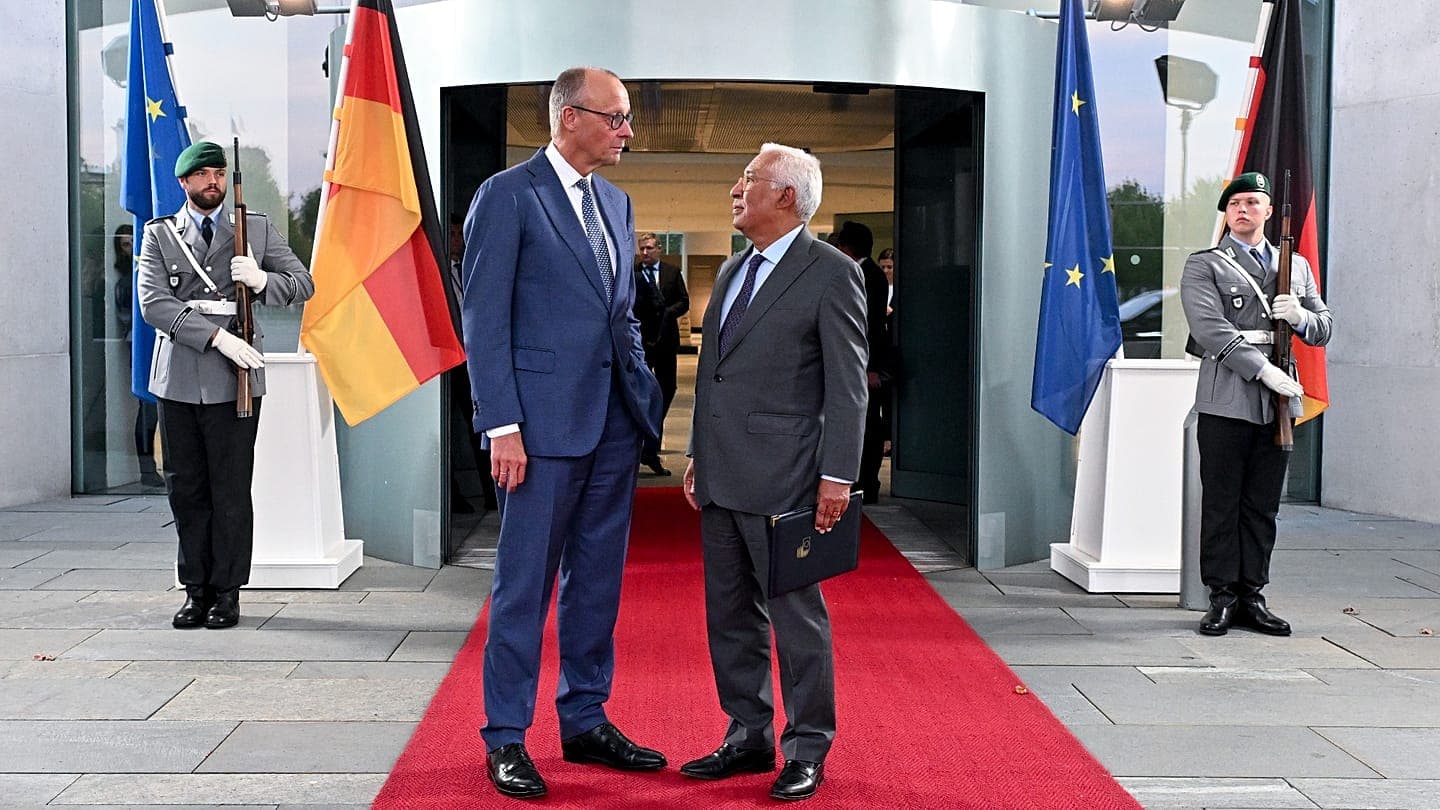
European Council President António Costa sent German Chancellor Friedrich Merz a letter in an attempt to defuse the conflict after Merz ultimatum-style tied approval of the next EU budget to an obligation for all member states to finance aid to Ukraine. Euronews published the contents of the letter. In his message, Merz called the commitment to provide new aid to Ukraine an 'indispensable precondition' for approving the budget, effectively linking two contentious issues, each of which requires unanimity. 'Support for Ukraine is a matter of our indivisible European security, and the sharing of the burden of that support must be the same,' he wrote.
Where and when the discussion will take place
According to Euronews, Costa said that the discussion of the budget and financing for Ukraine will take place at the end of the month at a special summit in Brussels — after the European Commission presents proposals to cover Ukraine's financial shortfall. Merz, however, insisted on holding the debate already this week — at the informal summit in Dublin. Costa left that option open: 'In light of current developments, I will make time for a broad discussion on Ukraine at the upcoming informal European Council in Dublin.'
The essence of the dispute and the resistance of four countries
The EU has pledged to cover two-thirds of Ukraine's €70 billion shortfall — roughly €45 billion — through a mechanism not yet defined. As Euronews notes, given the scale of the needs, a new round of joint debt has quickly become the favorite among the options. This is precisely what makes the dispute sharp: Merz's ultimatum has already been rejected by Slovakia, the Czech Republic, Hungary and Bulgaria, which want the right not to participate in any future loan to Ukraine. Slovak Prime Minister Robert Fico called the ultimatum 'blackmail'. Thus, what is at stake is not only the size of the aid, but also the very principle of mandatory participation by all members of the union in financing it.