The key facts
- EU considers joint debt as the main mechanism to cover Ukraine's €70 billion budget deficit
- European Commission is ready to present options covering around €45 billion, two-thirds of the deficit
- Germany opposes confiscation of Russian assets but, according to Bloomberg, would support a joint loan
Brussels leans towards a joint debt mechanism
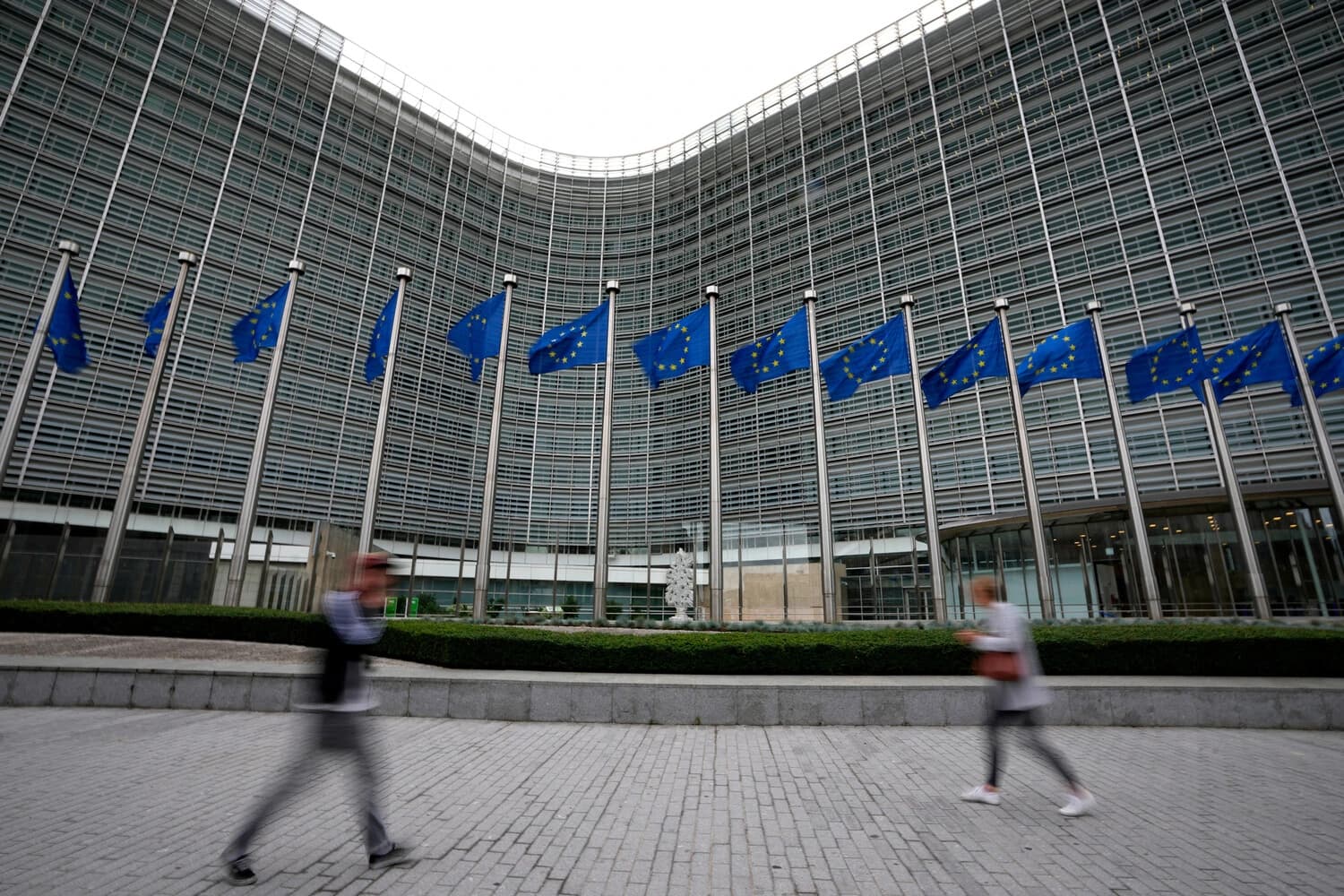
The European Commission and several EU member states have intensified efforts to secure support from all union members for a new loan to Ukraine. Bloomberg reported this on November 10, citing sources; a summary of the publication is provided by Gazeta.Ru. According to the agency, European officials consider a loan mechanism funded by EU resources as the most likely scenario to cover Ukraine's €70 billion budget deficit.
Positions of countries and discussed amounts
Irish Finance Minister Simon Harris stated that he sees no rationale for alternative mechanisms and considers a joint loan the most probable option. EU Economy Commissioner Valdis Dombrovskis, according to Bloomberg, assesses the chances of finding a solution and providing an additional €45 billion beyond already allocated funds with 'cautious optimism'. Germany, as the agency writes, has not changed its negative stance on borrowing but would support such a decision; along with Belgium, it opposes the confiscation of Russian assets, while a group of EU member states calls for using these assets to cover Ukraine's deficit. The European Commission, according to plans, will soon present options covering approximately two-thirds of the deficit, around €45 billion; the remaining part should be covered by Kyiv's international partners.
Context: Kyiv's request and dispute over the EU budget
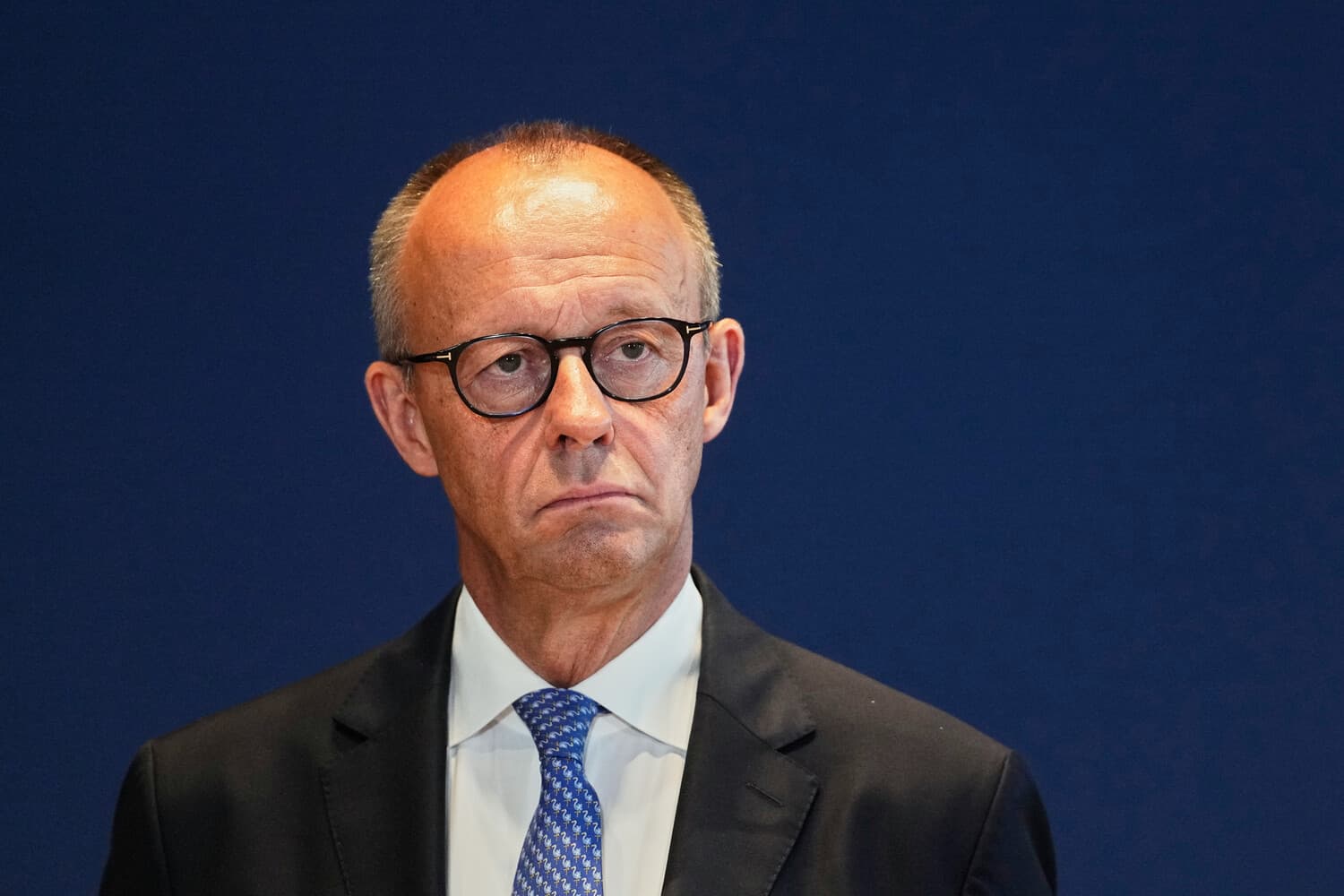
On October 16, Ukrainian President Volodymyr Zelenskyy requested additional funding from the EU to cover a €70 billion deficit, and European Council President António Costa stated the union's readiness to cover approximately two-thirds of the amount, around €46.7 billion. On November 9 Financial Times reportedthat German Chancellor Friedrich Merz threatened to block the next seven-year EU budget if member states refuse to help Ukraine in 2027 and subsequent years; Slovak Prime Minister Robert Fico called this threat blackmail. EU leaders plan to discuss both Kyiv's funding deficit and the union's budget at a meeting in Dublin on November 12–13.