The key facts
- Merz, in a letter to the European Council president, linked the EU budget for 2028–2034 to funding for Ukraine from 2027 onward
- Fico called this “typical blackmail” and said Slovakia will not provide “not a cent” for a new loan to Kyiv
- Ukraine's budget deficit in 2027 is estimated at around €70 billion; the EU intends to cover about €45 billion
Merz's ultimatum and Fico's response
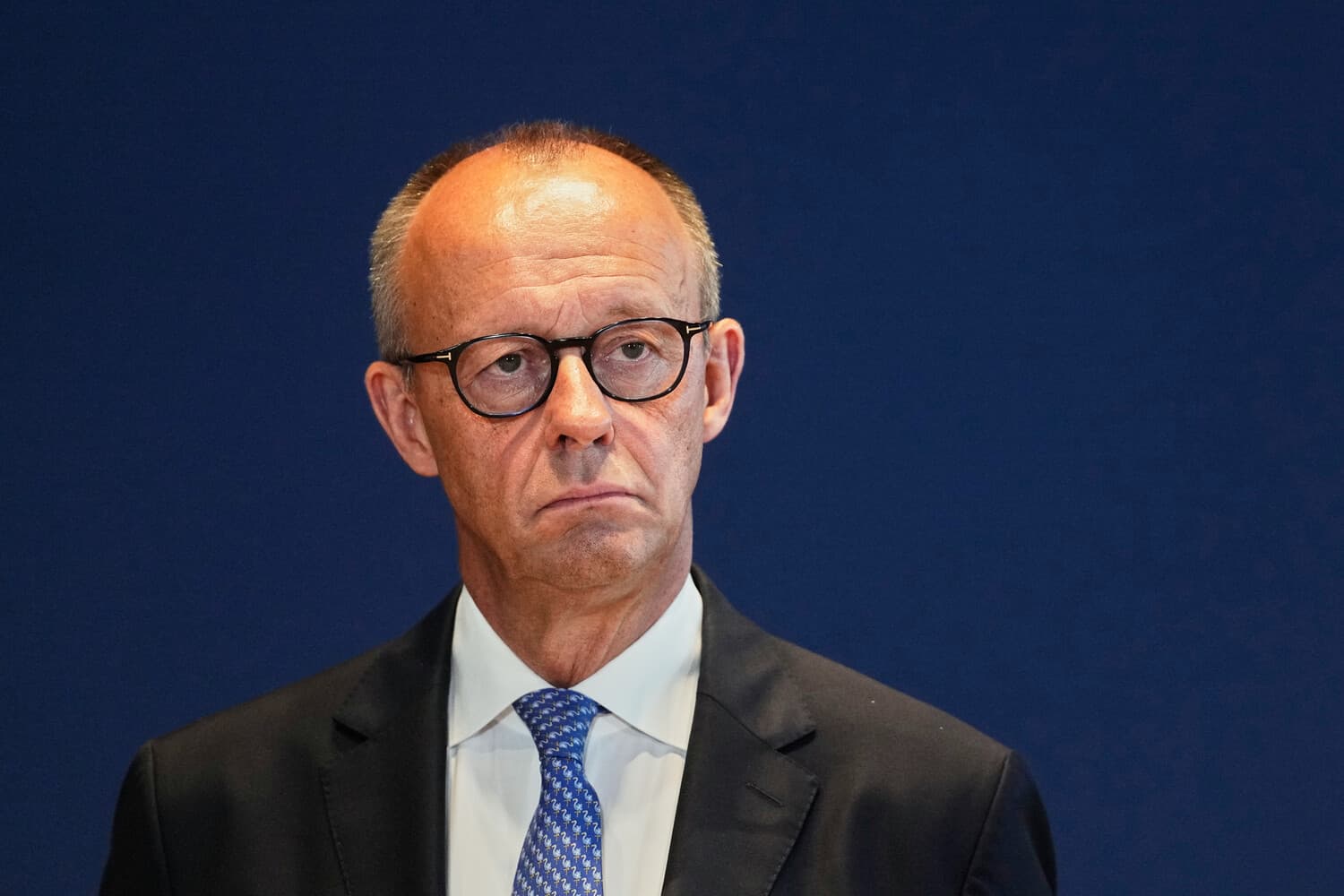
German Chancellor Friedrich Merz sent a letter to European Council President António Costa in which he stated that fresh aid to Ukraine is a “necessary precondition” for approving the next long-term EU budget for 2028–2034. Both issues require unanimity, and in this way Berlin has linked two contentious negotiation packages. The letter was published by the Slovak TV channel STVR and euronews.
The reaction from Bratislava and Prague
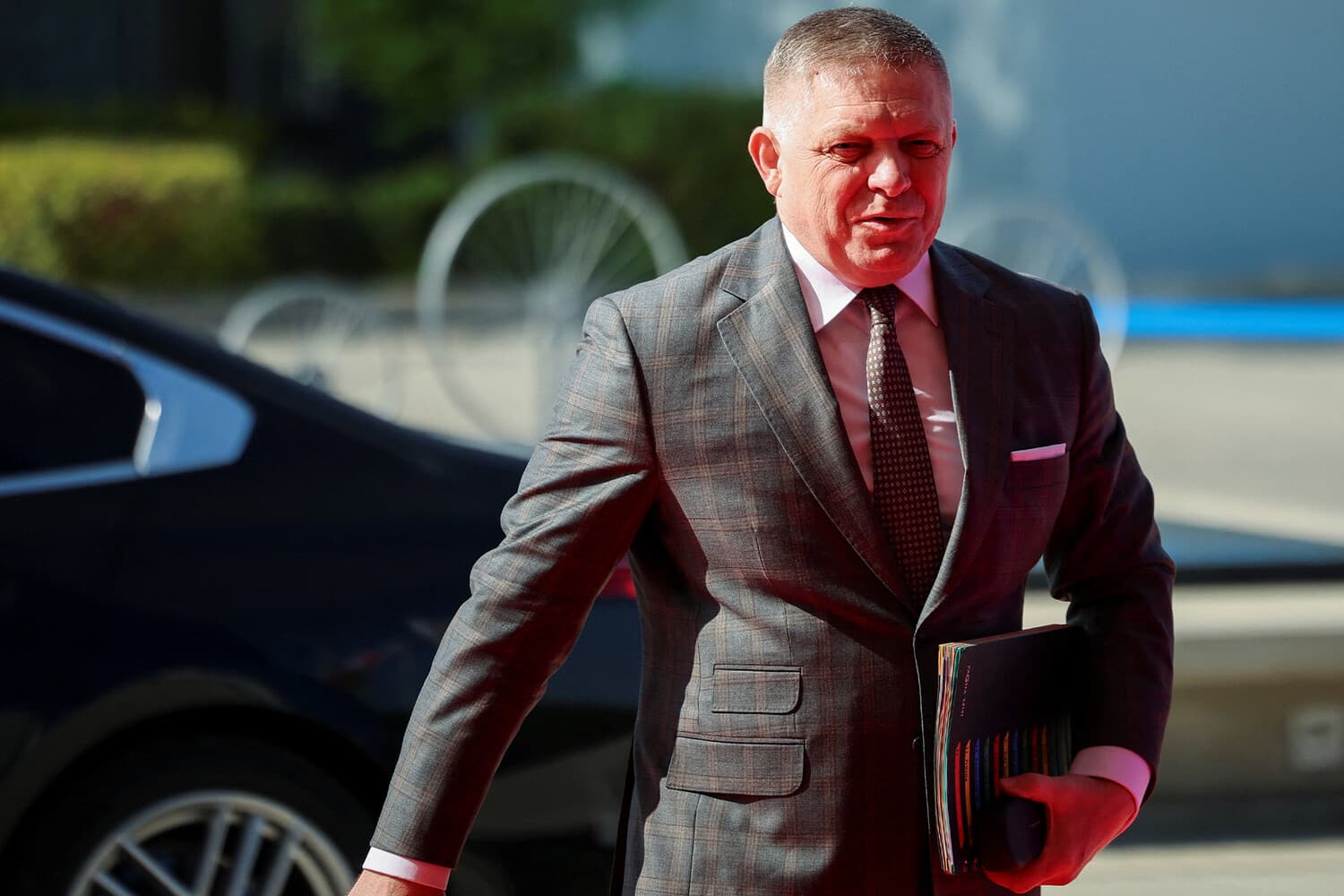
Slovak Prime Minister Robert Fico, speaking in Bratislava at a joint meeting of the Slovak and Czech governments, called the federal chancellor's actions “typical blackmail” and said he rejects them. He recalled that Slovakia has the same veto right as Germany and, as a sovereign country, has its own opinion. Later, at a joint press conference with Czech Prime Minister Andrej Babiš, Fico added that he “could not care less” what Merz says when it comes to Slovakia's interests: “not a cent” toward a loan or grant to Ukraine out of the €70 billion under discussion will be provided by Bratislava. According to Fico, Babiš called on the European Union to become more actively involved in negotiations on resolving the conflict, noting that “it is unacceptable for the Americans to negotiate on our behalf.”
Who and how much: the numbers behind the dispute
The subject of the dispute is the shortfall in Ukraine's budget financing in 2027, estimated at around €70 billion. The European Union intends to cover about €45 billion — two-thirds of the amount — through a yet-to-be-determined instrument; according to euronews, the main option under consideration is a new issuance of joint debt. The new money would come on top of the already agreed €90 billion loan, from which Slovakia, the Czech Republic and Hungary previously secured an exemption. Babiš noted, however, that the proposed EU budget already provides €100 billion for Ukraine, but those funds will only become available from 2028, whereas the shortfall will arise as early as next year.
The positions of Budapest and Sofia
Other countries have also spoken out against linking the budget to aid for Ukraine. Hungarian Prime Minister Péter Magyar, received by Merz in Berlin the day after the letter was published, said he does not consider it blackmail, but that such an approach “does not necessarily carry good news”: Hungary cannot take on new debt at the EU level due to its fight against a growing deficit, yet it is confident that a solution on the budget will be found. Bulgarian Prime Minister Rumen Radev in Varna likewise cited the high deficit as grounds for exempting the country from future credit lines, adding that Bulgaria will continue its support through other means, for example via energy flows, and will not block Council decisions.
The split within the EU and the upcoming summit
The conflict comes on top of a broader dispute over the structure of the next budget. Slovakia, the Czech Republic, Hungary and Bulgaria belong to the group of 17 “Friends of Cohesion,” which defends cohesion and agricultural funds, whereas the “frugal” countries, among them the largest donors of aid to Ukraine, including Germany, demand cuts across the board — and, as euronews notes, are irritated that these four countries want to opt out of supporting Kyiv while insisting on cohesion funds. Merz himself, after his meeting with Magyar, said that support for Ukraine should be distributed more fairly and “fully integrated into the EU budget.” EU leaders will discuss the shortfall in Ukraine's budget financing at an informal summit in Dublin on November 12–13.