The key facts
- Australia co-chairs COP31 in Turkey while remaining the world's third-largest fossil fuel exporter
- The Albanese government has approved 38 coal, oil, and gas projects over four years
- Climate Analytics proposes a fossil fuel phase-out plan: coal power by 2034, near-total renewable electrification by 2040
Presidency under dual pressure
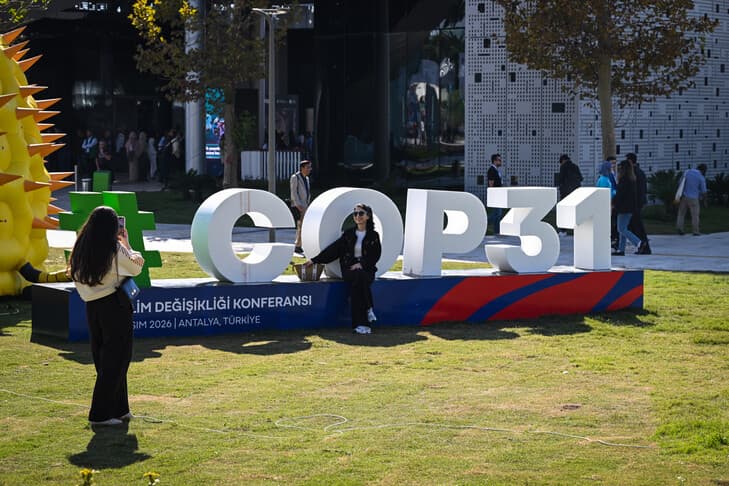
Australia, serving as president of the UN climate summit negotiations in Turkey (COP31), faces significant pressure: it must guide nations toward coordinated actions to reduce greenhouse gas emissions, a large portion of which result from burning fossil fuels. Promising to 'lead by example,' Climate and Energy Minister Chris Bowen stated in October during a meeting in Fiji that renewable energy, grids, storage, and electrification are 'proven, commercially available, and scalable today,' urging accelerated implementation. This is reported by Deutsche Welle.
Contradiction: renewable energy leader and coal exporter
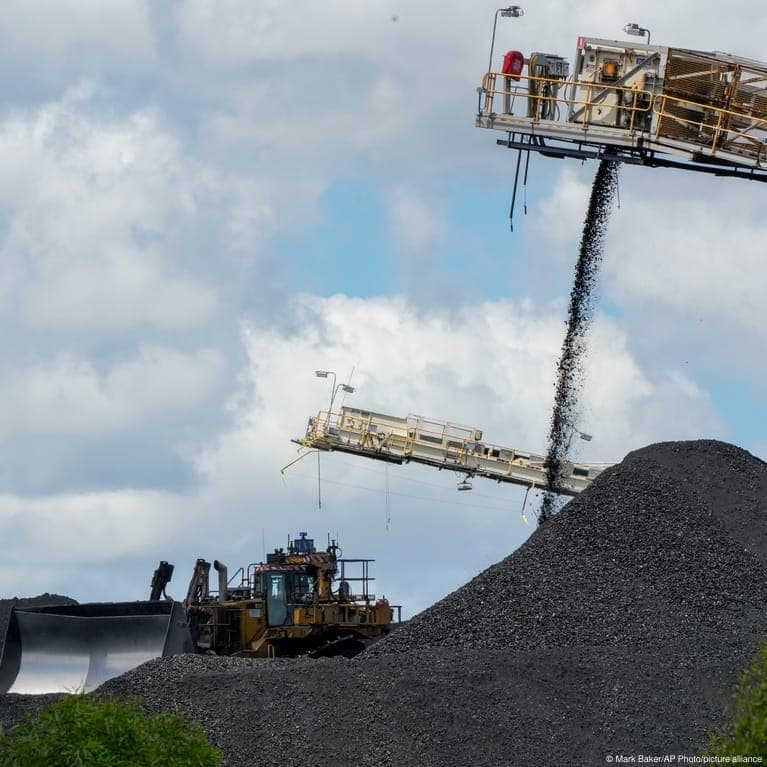
Simultaneously, Australia is the world's third-largest fossil fuel exporter and the second-largest coal exporter; according to 350.org, 56% of global coal projects under development are located on its territory. Unlike France, Germany, or vulnerable island nations, the COP31 co-chair has not yet committed to phasing out these fuels. Fossil fuel exports accounted for 80% of the country's carbon footprint in 2022—approximately 5% of global emissions. According to Greenpeace Australia Pacific, the Anthony Albanese government approved the construction, expansion, or extension of 38 coal, oil, and gas projects over four years in power; in 2025, a major gas export project was extended until 2070, which the Prime Minister justified as balancing 'energy security' with supporting the transition.
What critics demand and what the plan proposes
Critics insist on announcing an 'overdue coal phase-out date' specifically at COP31. Melanie Pill, founder of The Climate Project, emphasizes that phasing out fossil fuels is not only an emissions issue but also a matter of energy security amid the prolonged conflict in the Middle East; this is particularly relevant for Australia's Pacific neighbors, which, according to the Climate Risk Institute at the University of New South Wales, spend up to 25% of their GDP on fossil fuel imports—compared to just 6% on healthcare. The Climate Analytics Institute, co-authored by Thomas Uli, presents a pathway that can begin immediately: ending coal power generation by 2034, rapidly reducing oil and gas consumption, achieving nearly complete electrification via renewables by 2040, and phasing out export projects before they become obsolete. Meanwhile, the domestic target of 82% renewable electricity by 2030 is falling behind schedule, and emission reductions in industry and transport remain limited.
Commitments to the Pacific
As the lead negotiator, Australia promised that the final conference text would reflect the 'views and experiences' of small Pacific nations—from Vanuatu to Tuvalu—which contribute almost no emissions but suffer from intensifying cyclones and rising sea levels. Greenpeace notes that island nations are 'tired of Canberra's double standards' and demands substantial new financial contributions for adaptation and energy independence for neighbors—alongside a national roadmap for phasing out coal and gas. Australia previously supported the global transition: through the Global Stocktake at the 2023 UN summit and the April summit in Colombia, where it joined 56 countries in pledging to develop a roadmap for exiting fossil fuels; however, as DW notes, these commitments are not reflected in the country's resource policy.